


The National Association for the Advancement of Colored People, NAACP, is renowned for being a beacon of hope and resistance against the suffocating grip of racial injustice in America. Founded on February 12, 1909, this stalwart organization has been instrumental in championing the rights and dignity of African Americans, fearlessly confronting the entrenched systems of segregation and discrimination that had long plagued the nation.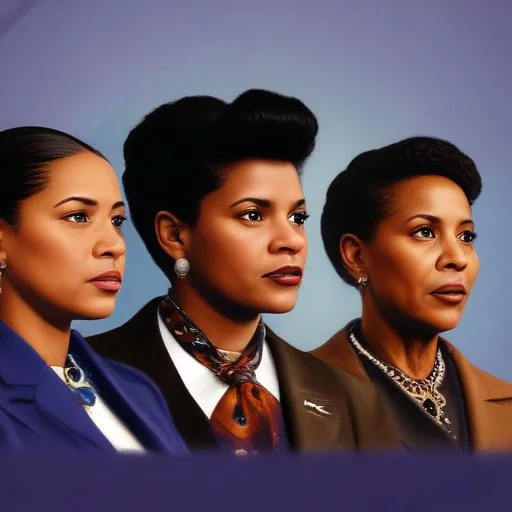
In the tumultuous years following the Reconstruction Era, African Americans faced unrelenting oppression, violence, and disfranchisement. The lynching of innocent black men and women, the enforcement of Jim Crow laws, and the stripping of basic human rights created an environment of terror and despair. It was against this backdrop of racial terrorism that a coalition of visionaries, led by prominent figures such as W.E.B. Du Bois, Ida B. Wells, and Mary White Ovington, resolved to challenge the status quo and forge a new path forward.
On a cold winter morning, a group of 60 individuals, comprising both black and white Americans, congregated at the home of Mary White Ovington in New York City. This historic gathering marked the genesis of the NAACP, as the attendees vowed to form an organization that would spearhead the struggle for racial equality and justice. The meeting was characterized by a sense of urgency, determination, and unwavering commitment, setting the tone for the organization's future endeavors.
The NAACP's founding was made possible by the collective efforts of several trailblazing individuals. W.E.B. Du Bois, a luminary intellectual and writer, was instrumental in shaping the organization's early goals and philosophy. Ida B. Wells, a fearless anti-lynching crusader, brought her expertise and passion to the fore, while Mary White Ovington provided critical support and resources.
The NAACP's unwavering dedication to racial equality has yielded far-reaching consequences. From challenging segregation in education to fighting for voting rights, the organization has played a pivotal role in shaping America's social and political landscape. Today, the NAACP remains a powerful force, continuing to inspire future generations to strive for a world where equality, justice, and freedom are a reality for all.
"The battle we wage is not for ourselves alone, but for the future of our children, our communities, and our nation as a whole." – W.E.B. Du Bois
"The NAACP is not a black organization; it is an organization of people of good will, determined to see that the rights of all people are protected." – Mary White Ovington
As the oldest and largest civil rights organization in the United States, the NAACP's influence extends far beyond its own remarkable achievements. By courageously confronting the darkest aspects of America's past, the NAACP has inspired a multitude of social justice movements, galvanizing countless individuals to stand up against injustice and fight for a brighter future.
As the NAACP continues to navigate the complexities of modern America, it remains an unwavering beacon of hope, shining brightly against the forces of oppression and discrimination. With its unshakeable commitment to justice, equality, and human rights, the NAACP stands as a testament to the transformative power of collective action and the indomitable human spirit.
The NAACP's founding was a culmination of years of advocacy and activism against racial injustice. The late 19th and early 20th centuries saw a surge in lynching, disfranchisement, and segregation, prompting many to take action. The Niagara Movement, a precursor to the NAACP, was formed in 1905 by a group of African American intellectuals, including W.E.B. Du Bois, to challenge the status quo.
In 1908, a race riot broke out in Springfield, Illinois, prompting a national outcry and calls for action. It was in this context that the NAACP's founding meeting was convened, bringing together like-minded individuals from across the country to form a united front against racial oppression.

Ida B. Wells was a pioneering journalist and anti-lynching crusader who played a pivotal role in the NAACP's founding. Born into slavery in 1862, Wells had firsthand experience of the brutality and injustice faced by African Americans.
Through her writing and activism, Wells shone a light on the horrors of lynching, exposing the complicity of white Americans and the injustices faced by black Americans. Her work helped galvanize public opinion and inspire action against racial violence.
Wells' tireless advocacy and unwavering commitment to justice made her a natural fit for the NAACP, where she continued to fight against lynching and discrimination.
The NAACP played a significant role in fostering the Harlem Renaissance, a cultural and artistic movement that swept through African American communities in the 1920s and 1930s.
The Crisis, the NAACP's flagship publication, provided a platform for many prominent writers, artists, and intellectuals of the time, including Langston Hughes, Zora Neale Hurston, and Countee Cullen.
The NAACP's support for African American creatives helped create a sense of community and pride, promoting a cultural renaissance that continues to inspire and influence American art and literature today.

The NAACP has long been at the forefront of political activism, mobilizing public opinion and influencing policy to advance civil rights.
In the 1940s and 1950s, the NAACP played a crucial role in shaping the Civil Rights Act and the Voting Rights Act, landmark legislation that outlawed discrimination and protected African Americans' right to vote.
Today, the NAACP continues to push for political reform, advocating for policies that promote social justice, equality, and human rights.
The NAACP has long recognized the importance of education in empowering African American communities and challenging systemic inequality.
Through its advocacy and programs, the NAACP has worked to improve access to quality education, promote literacy, and support African American students and educators.
The organization's commitment to education has helped inspire generations of leaders, activists, and change-makers, shaping the course of American history.