


The 2004-2005 National Hockey League (NHL) season will forever be etched in the annals of sports history as the first professional sports league to cancel an entire season due to a labor dispute. The cancellation of the season, a result of the intractable differences between the NHL and the National Hockey League Players Association (NHLPA), sent shockwaves throughout the hockey world, leaving fans, players, and teams reeling.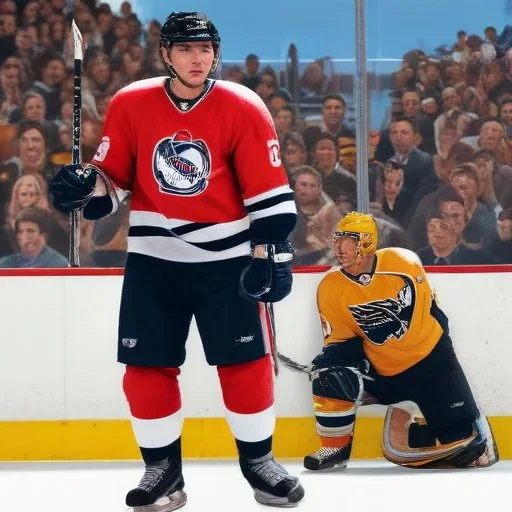
The seeds of the 2004-2005 lockout were sown in the early 1990s, when the NHL underwent a period of rapid expansion. As the league grew, so did concerns about competitive balance and financial sustainability. The 1994-1995 lockout, which resulted in a 48-game season, served as a harbinger of the larger issues that would eventually culminate in the cancellation of the 2004-2005 season.
The 2004-2005 lockout was characterized by a number of key figures, each playing a pivotal role in the negotiations. NHL Commissioner Gary Bettman, a stern advocate for a hard salary cap, faced off against NHLPA Executive Director Bob Goodenow, a fierce protector of the players' rights. The two men, along with other stakeholders, engaged in a series of tense negotiations that ultimately proved fruitless.
The cancellation of the 2004-2005 season had far-reaching consequences for the NHL. The league lost an estimated $2 billion in revenue, while players suffered significant financial losses. The resulting CBA, which introduced a salary cap and revenue sharing, fundamentally altered the economic landscape of the league. Furthermore, the lockout led to a decline in popularity, with many fans expressing disillusionment with the sport.
The 2004-2005 lockout occurred against the backdrop of a shifting cultural landscape. As the NHL struggled to maintain its relevance in an increasingly fragmented sports market, the lockout served as a stark reminder of the league's vulnerability. The cancellation of the season also had a profound impact on local communities, which relied heavily on hockey as a source of revenue and entertainment.
The 2004-2005 NHL lockout bears striking similarities to other notable labor disputes in professional sports. The 1998-1999 NBA lockout, which resulted in a 50-game season, and the 1981 MLB strike, which cancelled the World Series, share eerie parallels with the NHL's own labor strife. Each of these events highlights the often-contentious relationship between management and labor in professional sports.
Despite the devastating consequences of the lockout, the 2004-2005 season also yielded stories of resilience and determination. Players, forced to find alternative means of competition, participated in international tournaments and charity games, demonstrating their unwavering passion for the sport. The lockout also galvanized the NHLPA, which emerged from the dispute with a renewed sense of purpose and solidarity.
The 2004-2005 lockout serves as a cautionary tale for future labor disputes in professional sports. The NHL's experience has informed negotiations in other leagues, such as the NFL and MLB, which have sought to avoid similar conflicts. Moreover, the lockout has spurred increased collaboration between management and labor, as both sides recognize the devastating consequences of intractable disagreements.
The 2004-2005 NHL lockout remains a pivotal moment in the history of professional sports. As a testament to the often-contentious nature of labor negotiations, the lockout serves as a reminder of the high stakes involved in collective bargaining. As the NHL continues to evolve and grow, the lessons of the 2004-2005 season will remain an integral part of its narrative, informing future decisions and shaping the league's trajectory.
As the Executive Director of the NHLPA, Bob Goodenow was the face of the players' union during the 2004-2005 lockout. A seasoned labor negotiator, Goodenow was instrumental in shaping the NHLPA's strategy and negotiating stance. Throughout the lockout, Goodenow remained steadfast in his commitment to the players, refusing to budge on key issues such as the salary cap.
Goodenow's tenure at the helm of the NHLPA was marked by a series of high-profile battles with NHL Commissioner Gary Bettman. The two men engaged in a war of words, with Goodenow accusing Bettman of being inflexible and unreasonable. Despite the acrimony, Goodenow remained widely respected by players and agents alike, who saw him as a fierce advocate for their rights.

The cancellation of the 2004-2005 season had far-reaching economic consequences for the NHL and its stakeholders. In addition to the estimated $2 billion in lost revenue, the lockout also had a devastating impact on local economies that relied on hockey as a source of revenue.
A study by the National Hockey League Players' Association found that the lockout resulted in a loss of over 18,000 jobs, with many arena employees and vendors forced to seek alternative employment. Furthermore, the lockout led to a decline in hockey-related merchandise sales, with many retailers reporting a significant drop in revenue.
The 2004-2005 lockout had a profound impact on hockey's cultural fabric, threatening the very essence of the sport. For many fans, hockey was more than just a game – it was a way of life, a source of community and identity.
The lockout led to a decline in popularity, with many fans expressing disillusionment with the sport. The cancellation of the season also had a profound impact on local communities, which relied heavily on hockey as a source of entertainment and revenue. The lockout served as a stark reminder of the NHL's vulnerability and its place within the broader cultural landscape.

The 2004-2005 NHL lockout was not an isolated event, but rather part of a broader pattern of labor disputes in professional sports. The lockout bears striking similarities to the 1998-1999 NBA lockout, which resulted in a 50-game season.
Both lockouts were characterized by a power struggle between ownership and players, with each side dug in on key issues such as revenue sharing and salary caps. The NHL lockout also shares eerie parallels with the 1981 MLB strike, which cancelled the World Series.
The 2004-2005 lockout was the culmination of years of tension between the NHL and the NHLPA. The seeds of the dispute were sown in the early 1990s, when the NHL underwent a period of rapid expansion.
As the league grew, so did concerns about competitive balance and financial sustainability. The 1994-1995 lockout, which resulted in a 48-game season, served as a harbinger of the larger issues that would eventually culminate in the cancellation of the 2004-2005 season.