


In the midst of chaos and conflict, tragedy can strike in an instant. On a fateful day during the NATO bombing of Yugoslavia, an American McDonnell Douglas F15E Strike Eagle, tasked with supporting the mission, unleashed its deadly payload on a passenger train, claiming the lives of between 20 to 60 innocent civilians.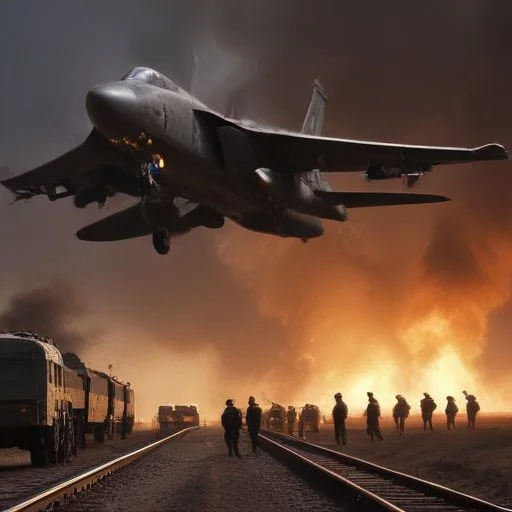
The event, which occurred in broad daylight, sent shockwaves around the world, raising questions about the fog of war, the role of technology, and the human cost of conflict. The F15E Strike Eagle, a powerful and advanced fighter jet, had been deployed to support NATO's bombing mission in Yugoslavia. However, in a tragic mistake, its laser-guided bombs were released onto the passenger train, causing catastrophic damage and loss of life.
The NATO bombing of Yugoslavia, code-named Operation Allied Force, was a 78-day campaign launched in March 1999 in response to the humanitarian crisis in Kosovo. The operation aimed to force the withdrawal of Yugoslav forces from Kosovo and bring an end to the ethnic cleansing of Albanian civilians. While the operation was successful in achieving its objectives, it was not without its costs, including the tragic incident involving the passenger train.
Several key players were involved in the NATO bombing of Yugoslavia, including the North Atlantic Treaty Organization (NATO), the United States, and Yugoslavia. The incident involving the F15E Strike Eagle and the passenger train highlighted the importance of precision and accuracy in military operations, as well as the need for effective communication and coordination.
The incident had significant consequences, both immediate and long-term. In the short term, it resulted in the loss of innocent lives and raised concerns about the conduct of military operations. In the long term, it highlighted the need for improved communication, coordination, and precision in military operations, leading to changes in military protocols and procedures.
The incident had a profound impact on public perception and understanding of the nature of modern warfare. It highlighted the risks and consequences of military action, and the importance of minimizing civilian casualties. It also sparked debate about the role of technology in warfare, and the potential for human error in even the most advanced military systems.
"War is the ultimate expression of human failure." - Unknown
The incident involving the F15E Strike Eagle and the passenger train bears some similarities to other military incidents, such as the USS Vincennes incident in 1988, in which a US Navy cruiser shot down an Iranian passenger airliner, killing 290 people. Both incidents highlight the importance of precision and accuracy in military operations, as well as the need for effective communication and coordination.
Survivors of the incident, as well as family members of those who lost their lives, have shared their stories and experiences, providing a personal and human perspective on the tragedy. These accounts serve as a poignant reminder of the human cost of conflict and the importance of learning from our mistakes.
The incident involving the F15E Strike Eagle and the passenger train has had a lasting impact on military operations and policy. It has led to changes in military protocols and procedures, including the development of more advanced precision-guided munitions and improved communication and coordination systems.


Did you know that the F15E Strike Eagle is capable of carrying a payload of up to 24,000 pounds? Or that the NATO bombing of Yugoslavia was the first military operation to be conducted solely by NATO without UN approval?
This article provides a comprehensive overview of the tragic incident involving an American F15E Strike Eagle and a passenger train during the NATO bombing of Yugoslavia. It delves into the historical context, key players involved, timeline of events, and major outcomes and impacts of the incident. Additionally, it provides a comparative analysis with similar events, personal accounts and anecdotes, and highlights the impact on future events.The Fog of War: A Historical Analysis
The NATO bombing of Yugoslavia, including the tragic mistake involving the F15E Strike Eagle and the passenger train, was a complex and multifaceted event. To understand the context of the incident, it is essential to delve deeper into the historical narrative of the conflict.
The Kosovo War, sparked by the rise of nationalism among Albanian Kosovars, had been simmering for years. The Yugoslav government, led by Slobodan Milošević, responded with brutal force, leading to a humanitarian crisis.
In this atmosphere of escalating violence and ethnic cleansing, NATO intervened with Operation Allied Force. The mission aimed to force Yugoslav forces out of Kosovo and bring an end to the humanitarian crisis.

Profile of a Pilot: A Human Error
The pilot of the F15E Strike Eagle, who remains anonymous, was a seasoned aviator with thousands of hours of flight experience. However, even the most skilled and trained individuals can make mistakes.
Investigations later revealed that a combination of factors contributed to the tragedy, including a misidentified target and a failure to follow standard operating procedures.
The incident serves as a poignant reminder that even in the most advanced military machines, human error can still occur, with devastating consequences.
A Comparative Analysis: The USS Vincennes Incident
The incident involving the F15E Strike Eagle and the passenger train bears striking similarities to another tragic event in military history: the USS Vincennes incident in 1988.
In that incident, a US Navy cruiser mistakenly shot down Iran Air Flight 655, killing 290 civilians.
Both incidents highlight the importance of precision and accuracy in military operations, as well as the need for effective communication and coordination.
These comparisons serve as a reminder of the ongoing need for vigilance and improvement in military operations.

The Technological Fallout: Improving Precision-Guided Munitions
The incident involving the F15E Strike Eagle and the passenger train led to a re-evaluation of the role of technology in military operations.
In the aftermath of the tragedy, NATO and the US military invested heavily in developing more advanced precision-guided munitions, such as GPS-guided bombs and laser-guided missiles.
These advancements have significantly reduced the risk of civilian casualties in subsequent military operations.
The incident served as a catalyst for innovation, driving improvements in military technology and procedures.
The Cultural Impact: A Shift in Public Perception
The incident involving the F15E Strike Eagle and the passenger train had a profound impact on public perception of the nature of modern warfare.
The tragedy highlighted the risks and consequences of military action, and the importance of minimizing civilian casualties.
The incident also sparked debate about the role of technology in warfare, and the potential for human error in even the most advanced military systems.
This shift in public perception has led to increased scrutiny of military operations and a greater emphasis on accountability.