


The Wola massacre, a brutal and heart-wrenching episode in human history, is remembered for the indiscriminate slaughter of at least 40,000 innocent civilians, including women and children, by Nazi German troops in the Wola district of Warsaw, Poland.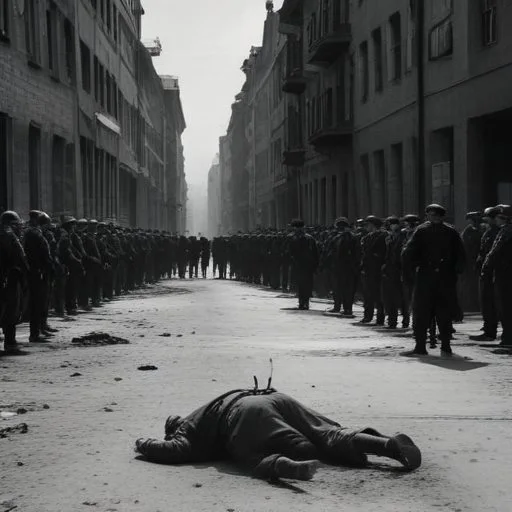
Between August 5 and August 12, 1944, the Nazi regime unleashed a campaign of terror, targeting civilians and perpetrating mass executions, leaving behind a trail of unimaginable brutality and destruction.
The Wola massacre was a part of the larger Warsaw Uprising, a rebellion by the Polish resistance against the Nazi occupation of Poland. The uprising began on August 1, 1944, and continued until October 2, 1944. The Wola district, being a key location for the resistance, was targeted by the Nazi forces in an attempt to crush the rebellion.
The Wola massacre was one of the deadliest massacres perpetrated by the Nazi regime during World War II. The massacre led to the destruction of the Wola district, leaving thousands of people homeless and without access to basic necessities. The massacre also had a profound impact on the Polish resistance, with many of its leaders and fighters being killed or captured during the massacre.
The Wola massacre has had a lasting impact on Polish culture and society. It is remembered as one of the darkest chapters in Polish history, and is often commemorated through memorials, museums, and cultural events. The massacre has also served as a symbol of the brutality and atrocities committed during World War II, serving as a reminder of the importance of promoting peace and tolerance.
One of the most haunting personal accounts of the Wola massacre is that of Zofia Kossak, a Polish writer and resistance fighter. She described the massacre as "a horror beyond comprehension," and wrote about the indiscriminate killing of civilians, including women and children.
The Wola massacre played a significant role in shaping the outcome of World War II. The massacre led to increased international pressure on the Nazi regime, and contributed to the eventual defeat of Germany. The massacre also served as a reminder of the importance of promoting human rights and protecting civilians during conflicts.
The historiography of the Wola Massacre is marked by a significant lack of documentation, especially in the immediate aftermath of the event. Many records were destroyed or lost, and eyewitness accounts were often fragmented and scattered. However, in the 1960s and 1970s, a wave of historiographical research emerged, led by Polish historians such as Tomasz Szarota and Czesław Madajczyk. These scholars pieced together a comprehensive narrative of the massacre, drawing on oral testimonies, diaries, and other primary sources.
One of the challenges facing historians of the Wola Massacre is the need to separate fact from myth. Over time, certain aspects of the event have become mythologized, and it is essential to critically evaluate sources and distinguish between verifiable facts and exaggerated or invented claims.

Oskar Dirlewanger, the notorious SS-Sturmbannführer, was a complex figure with a troubled past. Born in 1895, Dirlewanger was a decorated World War I veteran who later became embroiled in the Nazi regime's brutal suppression of Polish resistance. His leadership during the Wola Massacre was marked by exceptional brutality, and he was responsible for some of the most heinous atrocities committed during the massacre.
Despite his brutal nature, Dirlewanger was also a charismatic figure who inspired loyalty among his followers. His unorthodox tactics and disregard for authority often brought him into conflict with his superiors, but his results-oriented approach earned him a degree of tolerance within the Nazi hierarchy.
The Wola Massacre has had a profound impact on Polish culture and identity. The event is often invoked as a symbol of national resilience and resistance, and is commemorated through various cultural events and memorials. The massacre has also inspired numerous literary and artistic works, including novels, poems, and films.
In recent years, the Wola Massacre has become a focal point for debates about historical memory and national identity. As Poland grapples with its complex past and its role in Europe, the massacre serves as a powerful reminder of the importance of promoting peace, tolerance, and human rights.
The Wola Massacre was not an isolated event, but rather a component of a broader geopolitical strategy to crush the Polish resistance and maintain Nazi control over Eastern Europe. The massacre was part of a larger campaign of terror and intimidation, designed to break the spirit of the Polish people and secure Nazi dominance.
In the context of World War II, the Wola Massacre was a key component of the Nazi regime's "total war" strategy, which aimed to mobilize all available resources and eliminate any perceived threats to German dominance. The massacre was a stark reminder of the consequences of resistance and non-compliance with Nazi rule.
The Wola Massacre has left behind a wealth of artifacts and documents, including photographs, diaries, and official records. One of the most significant artifacts is the so-called "Kossak Diary," a firsthand account of the massacre written by Zofia Kossak, a Polish writer and resistance fighter. The diary provides a harrowing and detailed account of the massacre, and is widely regarded as one of the most important primary sources on the subject.
Other artifacts, such as photographs and film footage, offer a visual record of the devastation and brutality inflicted during the massacre. These materials are essential for understanding the scale and nature of the atrocities committed during the Wola Massacre.