


The Nepalese royal massacre, which took place on June 1, 2001, is one of the most shocking and devastating events in modern royal history. On that fateful evening, Crown Prince Dipendra of Nepal brutally murdered several members of his own family, including his parents, King Birendra and Queen Aishwarya, leaving the kingdom in a state of turmoil and grief.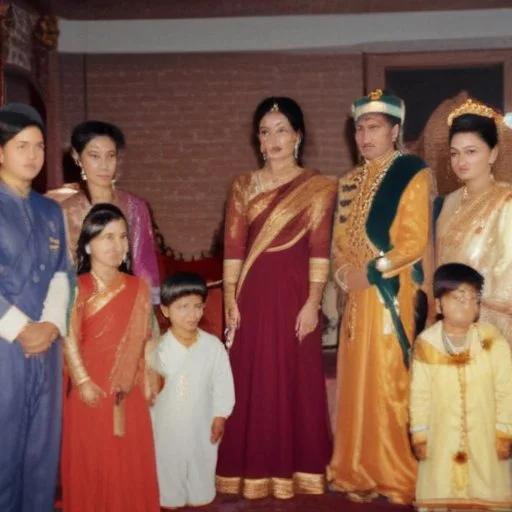
The royal massacre was a result of Crown Prince Dipendra's growing frustration and resentment towards his family. He felt stifled by his parents' strict rules and disapproved of their decision to arrange his marriage to a woman he did not love. The tension between Dipendra and his family finally boiled over on that tragic night, leading to an unprecedented act of violence.
On the evening of June 1, 2001, the Nepalese royal family gathered at the Narayanhiti Palace in Kathmandu for a family dinner. Crown Prince Dipendra, fueled by alcohol and rage, began arguing with his parents and siblings. The argument escalated, and Dipendra, armed with an arsenal of weapons, began firing indiscriminately at his family members. In the end, nine members of the royal family lay dead, including King Birendra, Queen Aishwarya, and several other relatives.
The brutal massacre sent shockwaves throughout Nepal and the world. The kingdom was plunged into mourning, and the people of Nepal struggled to come to terms with the tragedy. Crown Prince Dipendra, mortally wounded in the attack, died three days later, leaving the throne to his uncle, Gyanendra. The new king's ascension was met with widespread protests and criticism, leading to a tumultuous period in Nepalese history.
The 2001 royal massacre had far-reaching consequences for Nepal's monarchy and people. The event marked the beginning of the end of the monarchy's grip on power, paving the way for a democratic movement that would eventually lead to the abolition of the monarchy in 2008. The tragedy also had a profound impact on the Nepalese people, leaving behind a legacy of sorrow and trauma that still resonates today.
The Nepalese royal massacre serves as a stark reminder of the devastating consequences of unchecked anger, pride, and greed. It highlights the importance of addressing underlying family dynamics and the need for effective conflict resolution. The tragedy also underscores the importance of accountability and the need for those in power to be held responsible for their actions.
In memory of the victims of the royal massacre, the Nepalese government has established a memorial at the Narayanhiti Palace. The memorial serves as a poignant reminder of the tragedy and a tribute to the lives lost on that fateful night. It is a symbol of hope and resilience, reminding the people of Nepal of the importance of promoting peace, understanding, and forgiveness.
"The Nepalese royal massacre is a painful reminder of the devastating consequences of human frailty and the importance of promoting peace, understanding, and forgiveness." - unknown
In the years following the royal massacre, Nepal has undergone significant transformations. The country has transitioned from a monarchy to a federal republic, and the people have worked towards rebuilding and recovery. As Nepal continues to navigate the complexities of its new democracy, it is essential to remember the lessons of the past and strive towards a brighter, more peaceful future.
Crown Prince Dipendra: A Troubled Heir
Crown Prince Dipendra was born on June 27, 1971, to King Birendra and Queen Aishwarya. He was the eldest son and heir apparent to the throne. Dipendra's early life was marked by privilege and luxury, but he struggled with his role as the future king. He was known to be hot-headed and impulsive, often clashing with his parents over his desire for independence and freedom.
Despite his troubled nature, Dipendra was also known for his love of technology and innovation. He was fascinated by computers and the internet, and he often spent hours playing video games and surfing the web. This dichotomy between his royal responsibilities and his personal interests created tension within the palace, contributing to the eventual tragic events of June 1, 2001.
Through his character profile, it is clear that Dipendra's actions on that fateful night were not just the result of a singular event, but rather the culmination of years of frustration, anger, and resentment.

The Cultural Significance of the Royal Massacre
The 2001 royal massacre had a profound impact on Nepalese culture, particularly in terms of the country's traditional values and norms. The event marked a significant shift in the way the Nepalese people viewed their monarchy, leading to a decline in the institution's prestige and authority.
The massacre also had a lasting impact on the country's national identity, as it forced Nepalese citizens to confront the darker aspects of their own history and society. The tragedy led to a renewed focus on promoting peace, understanding, and forgiveness, as well as a greater emphasis on democratization and modernization.
In the years following the massacre, Nepal experienced a cultural renaissance of sorts, with a surge in artistic and literary works that grappled with the themes of trauma, loss, and redemption.
The Political Aftermath of the Royal Massacre
The royal massacre had far-reaching political consequences, both domestically and internationally. The event led to widespread protests and criticism of the new king, Gyanendra, who was seen as ruthless and power-hungry.
The massacre also marked a significant turning point in Nepal's political history, as it paved the way for the eventual abolition of the monarchy in 2008. The event led to a renewed focus on democratization and the establishment of a federal republic, which was seen as a more representative and accountable form of government.
In the years following the massacre, Nepal's political landscape underwent significant changes, with the rise of new political parties and the emergence of a more robust civil society.
The Geopolitical Context of the Royal Massacre
The 2001 royal massacre took place against the backdrop of significant geopolitical tensions in South Asia. The event coincided with a period of increased political instability in Nepal, as well as growing concerns over the country's relationships with its neighboring countries, including India and China.
The massacre also had significant implications for Nepal's relationships with the international community, particularly in terms of its human rights record and its commitment to democratization.
In the years following the massacre, Nepal's geopolitical situation remained complex, with the country struggling to balance its relationships with its powerful neighbors and navigate the complexities of regional and global politics.
Historiographical Perspectives on the Royal Massacre
Historians have approached the 2001 royal massacre from a variety of perspectives, each offering unique insights into the event's causes and consequences. Some have viewed the massacre as a testament to the corrupting influence of power, while others have seen it as a tragic example of the devastating consequences of unchecked anger and pride.
Others have focused on the broader historical context of the massacre, examining the role of the monarchy in Nepalese history and the ways in which the institution contributed to its own downfall. Still, others have explored the massacre's impact on the Nepalese people, examining the ways in which the event shaped the country's national identity and informed its trajectory towards democratization.
Through these varying perspectives, historians have been able to shed new light on the complex and multifaceted nature of the royal massacre, revealing the event's enduring significance in Nepalese history.