


New York City, the city that never sleeps, was plunged into darkness on July 13, 1977, when a catastrophic electrical blackout left millions without power for nearly 24 hours. As the lights flickered out, chaos erupted, and the city's simmering social and economic tensions boiled over into widespread fires and looting.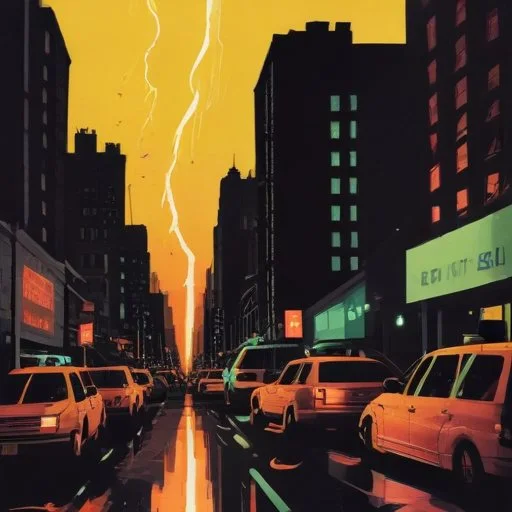
In the summer of 1977, New York City was already a powder keg waiting to be ignited. The city was reeling from a financial crisis, with the city on the brink of bankruptcy. The economic downturn had led to widespread unemployment, and the city's streets were plagued by crime and graffiti. The relationship between law enforcement and the community was strained, and racial tensions were running high.
On the evening of July 13, a series of lightning strikes on a hot summer evening triggered a catastrophic electrical failure. At 9:34 pm, the Indian Point 2 nuclear power plant, which supplied power to the city, suddenly shut down. The subsequent power surge caused a chain reaction of failures, leaving millions of New Yorkers without electricity.
As the lights went out, chaos erupted across the city. Fires broke out in all five boroughs, with over 1,000 fires reported. Looters took advantage of the darkness, ransacking stores and businesses. The sound of breaking glass and sirens filled the air as firefighters battled the infernos that illuminated the darkened streets.
The blackout resulted in one death, over 550 injuries, and thousands of arrests. The economic cost was staggering, with damages estimated at over $1 billion. Many small businesses were forced to close, and the city's already fragile economy was dealt a devastating blow.
Mayor Abraham Beame, who was vacationing in Israel at the time, was criticized for his slow response to the crisis. Meanwhile, Governor Hugh Carey took charge, deploying National Guard troops to restore order and oversee relief efforts.
"The city is in a state of anarchy... This is a breakdown of society." - Bronx District Attorney Mario Merola
In the days and weeks that followed, New Yorkers came together to rebuild and recover. The blackout served as a wake-up call, prompting the city to take action to address its underlying social and economic issues. The city's infrastructure was revamped, and new measures were put in place to prevent such a catastrophic failure from occurring again.
As the city slowly returned to normal, a newfound sense of community and resilience emerged. The blackout of 1977 served as a defining moment in New York City's history, a testament to its ability to face adversity and come out stronger on the other side.
The 1977 blackout left an indelible mark on New York City's history. It prompted significant reforms and led to the development of new emergency response systems. The blackout also sparked a renewed sense of community and civic engagement, as New Yorkers came together to rebuild and revitalize their city.
The Darkened City: New York's 24-Hour Blackout of 1977 serves as a powerful reminder of the city's strength and resilience in the face of adversity.
Mario Merola: The Voice of Condemnation
Mario Merola, the Bronx District Attorney, was one of the most vocal critics of the city's response to the blackout. His quote, "The city is in a state of anarchy... This is a breakdown of society," encapsulates the sense of chaos and despair that gripped the city during those dark hours. Merola's strong words were a reflection of the frustration and anger felt by many New Yorkers who were left to fend for themselves in the face of the crisis.
As a public figure, Merola's condemnation of the city's response was significant, as it highlighted the failures of the system and the need for accountability. His words sparked a much-needed conversation about the role of government in times of crisis and the importance of emergency preparedness.

The Economic Toll of the Blackout
The 1977 blackout dealt a devastating blow to New York City's already fragile economy. The estimated $1 billion in damages was a staggering amount, equivalent to over $4 billion in today's dollars. The looting and arson that ravaged the city's businesses and communities further exacerbated the economic pain.
The blackout also had a ripple effect on the city's economy, leading to widespread job losses and business closures. Many small businesses, already struggling to stay afloat, were forced to shut their doors permanently. The economic impact of the blackout was felt for years to come, as the city struggled to recover and rebuild.
The Technological Fallout of the Blackout
The 1977 blackout was a wake-up call for the city's power grid, highlighting the need for improvements and upgrades to prevent such a catastrophic failure from occurring again. In the aftermath of the blackout, the city invested heavily in modernizing its electrical infrastructure, including the installation of new backup systems and the implementation of smart grid technologies.
The blackout also led to the development of new emergency response systems, including the creation of the New York City Office of Emergency Management (OEM). The OEM was tasked with coordinating the city's response to emergencies and developing strategies to mitigate the impact of future crises.

The Cultural Legacy of the Blackout
The 1977 blackout had a profound impact on New York City's cultural landscape. The event inspired a new wave of artistic expression, as musicians, writers, and artists responded to the chaos and uncertainty of the time. The blackout's influence can be seen in the work of artists such as hip-hop pioneers Grandmaster Flash and the Furious Five, who referenced the event in their music.
The blackout also influenced the city's literary scene, with writers like Tom Wolfe and Jimmy Breslin drawing inspiration from the event. The blackout's cultural impact can still be felt today, with its influence extending to film, literature, and music.
Social Change in the Wake of the Blackout
The 1977 blackout was a catalyst for social change in New York City. The event highlighted the need for community-based initiatives and grassroots organizations, as well as the importance of building relationships between law enforcement and the communities they served.
In the aftermath of the blackout, community groups and activists worked to address the underlying social and economic issues that had contributed to the chaos. The event also led to increased calls for police reform and greater community engagement, paving the way for future social justice movements.