


The Triangle Shirtwaist Factory fire, a catastrophic event that claimed the lives of 146 garment workers, mostly young immigrant women, is one of the most tragic and influential industrial disasters in American history. This devastating blaze, which occurred on March 25, 1911, would spark a national outcry for labor reform, forever changing the lives of workers across the country.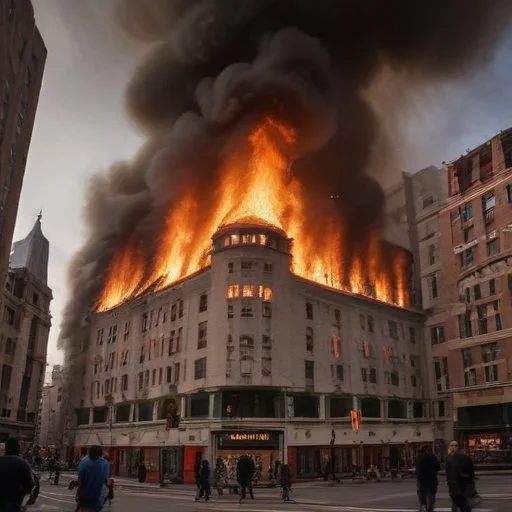
The turn of the 20th century saw New York City's garment industry booming, with sweatshops and factories sprouting up across the city. The Triangle Shirtwaist Factory, located in the heart of Manhattan's Greenwich Village, was one of the largest and most lucrative factories of its kind. Owned by Isaac Harris and Max Blanck, the factory employed over 500 workers, mostly young immigrant women, who toiled for long hours in hazardous conditions for meager wages.
On that fateful Saturday, a fire broke out on the ninth floor of the Asch Building, where the Triangle Shirtwaist Factory was located. The exact cause of the fire remains unknown, but theories suggest a tossed cigarette or faulty wiring sparked the inferno. Panic spread rapidly as workers realized they were trapped, with inadequate fire escapes and locked doors confining them to the blaze. Desperate employees leaped to their deaths, while others perished in the flames.
The Triangle Shirtwaist Factory fire sent shockwaves across the nation, with outrage and grief pouring in from all corners. The tragedy highlighted the deplorable working conditions and lack of safety measures in factories across the country. The public's outcry for labor reform grew loud, with activists, politicians, and ordinary citizens demanding change.
The Triangle Shirtwaist Factory fire serves as a poignant reminder of the sacrifices made by workers in pursuit of a safer, fairer workplace. Today, the site of the former factory is home to the Brown Building of New York University, which features a plaque commemorating the tragedy. The fire's legacy continues to inspire labor activists, policymakers, and workers worldwide, serving as a powerful reminder of the importance of protecting the rights and dignity of all working people.
"Those who came before us, the pioneers of labor, the martyrs of the labor movement, have made it possible for us to enjoy the benefits we have today." - Rose Schneiderman, labor leader and activist
"The Triangle fire, in a way, was a blessing in disguise. It brought the attention of the nation to the situation of the workers, and it opened the way for the legislation that has since been enacted." - Frances Perkins, labor secretary and witness to the fire
The Triangle Shirtwaist Factory fire had a profound impact on American culture, sparking a wave of labor-themed literature, art, and music. Novels like Upton Sinclair's The Jungle and plays like The Factory Girls highlighted the struggles of industrial workers, while songs like "The Triangle Fire" by Ruth Rubin became anthems for the labor movement.
The fire also influenced the development of social realism in American art, as artists like Joe Jones and Russell Lee began to depict the harsh realities of industrial life.
In the years following the fire, the phrase "Remember the Triangle" became a rallying cry for labor activists, appearing on placards, posters, and even women's suffrage banners.
Rose Schneiderman, a leading figure in the labor movement, was a key organizer of the funeral procession for the Triangle fire victims. Her impassioned speeches and writings helped galvanize public opinion in favor of labor reform.
Schneiderman's own experiences as a factory worker and union organizer gave her a unique perspective on the struggles of working-class women. She went on to become a vocal advocate for workers' rights, women's suffrage, and social justice.
The Triangle Shirtwaist Factory fire led to a significant increase in costs for factory owners, as they were forced to implement new safety measures and comply with stricter regulations. However, these increased costs were more than offset by the benefits of improved worker productivity and reduced turnover.
A study by the New York State Factory Investigating Commission found that every dollar invested in workplace safety generated a return of $3.33 in increased productivity and reduced absenteeism.

The Triangle fire was a major catalyst for political change, with Democrats and Republicans alike clamoring to pass legislation addressing the plight of industrial workers. The fire helped to galvanize public support for labor reform, paving the way for landmark legislation like the Factory Act of 1911.
The fire also had a profound impact on the career of Fannie Cohn, a pioneering labor activist who became a leading advocate for workers' rights in the wake of the tragedy.
Historians have long debated the significance of the Triangle Shirtwaist Factory fire, with some viewing it as a turning point in the labor movement and others seeing it as part of a broader pattern of industrial accidents.
However, most scholars agree that the fire marked a shift in public opinion, as the horrors of industrial life were laid bare for all to see. As historian Leon Stein noted, "The Triangle fire was a symbol of all that was wrong with industrial society, and it sparked a movement to change it."