


In the annals of World War II, few cities suffered a fate as devastating as Würzburg, Germany. On March 16, 1945, British bombers unleashed a blistering assault, reducing 90% of the city to smoldering ruins in a mere 20 minutes, claiming at least 4,000 lives in the process.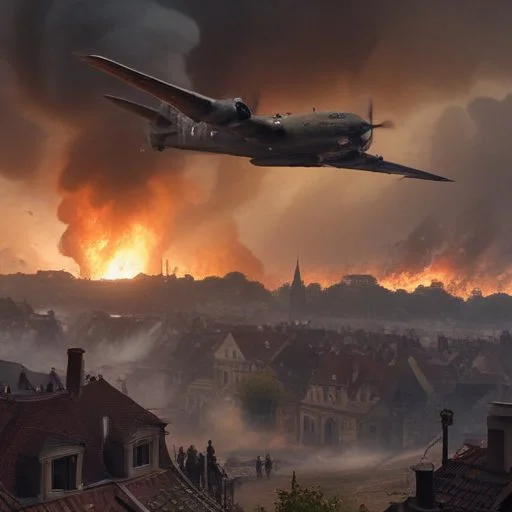
Würzburg, nestled in the heart of Bavaria, was a city steeped in history and culture. Founded in the 7th century, it boasted a rich heritage of architecture, art, and learning. The city was home to the prestigious University of Würzburg, founded in 1582, which had produced some of Germany's most influential thinkers and scientists.
At 9:20 pm on March 16, 1945, 226 British Lancaster bombers, accompanied by 11 Mosquito pathfinders, descended upon Würzburg. The raid, code-named "Operation Würzburg," was part of the Allied forces' strategic bombing campaign aimed at crippling Germany's war efforts.
The bombers carried a deadly mix of high explosives and incendiary bombs, designed to create maximum destruction. Over 1,000 tons of ordnance rained down on Würzburg, triggering a firestorm that would engulf the city.
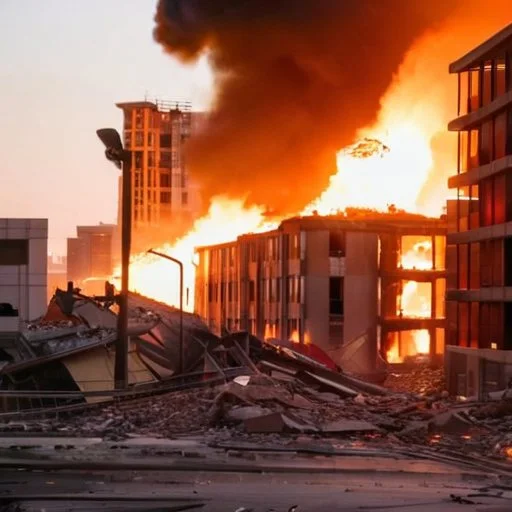
The 20-minute bombing raid left Würzburg in ruins. The historic city center, with its picturesque streets and medieval architecture, was reduced to rubble. The destruction was so complete that it was estimated that only 10% of the city's buildings remained standing.
The human toll was staggering. At least 4,000 people lost their lives in the raid, with many more injured or displaced. The bombings made thousands of people homeless, leaving them to fend for themselves in the freezing winter of 1945.
The bombing of Würzburg remains a contentious issue, with many questioning the necessity and morality of the raid. Critics argue that the city was not a significant military target, and that the bombing was an unnecessary act of destruction.
Winston Churchill, the British Prime Minister, was aware of the raid and had given his consent. However, the extent of his involvement and the motivations behind the bombing remain a topic of debate among historians.
In the years following the war, Würzburg began the long and arduous process of rebuilding. The city's historic center was painstakingly restored, and many of its iconic landmarks, including the Würzburg Residence, were rebuilt.
Today, Würzburg stands as a testament to the resilience of its people and a powerful reminder of the devastating consequences of war.
In the end, the bombing of Würzburg serves as a poignant reminder of the human cost of war and the importance of preserving our cultural heritage.
The bombing of Würzburg has been subject to various historiographical perspectives, with some historians arguing that the raid was a justified response to Germany's aggressive militarism, while others contend that it was a morally reprehensible act of terror bombing. The event has also been viewed through the lens of the broader strategic bombing campaign, with some scholars seeing it as a necessary evil in the Allied effort to defeat Nazi Germany, and others criticizing it as a counterproductive and inhumane tactic.
Recent research has also highlighted the role of personal biases and prejudices in shaping the historiography of the bombing of Würzburg. For example, some historians have argued that the British government's decision to target Würzburg was influenced by anti-German sentiment and a desire to punish the German people for their perceived complicity in the Nazi regime.
Despite these differing perspectives, most historians agree that the bombing of Würzburg was a pivotal event in the final months of World War II, one that had significant consequences for the city and its people.

Sir Arthur Harris, the RAF Bomber Command chief, was a central figure in the planning and execution of the Würzburg raid. Known as "Bomber Harris," he was a strong advocate for strategic bombing, believing that it was a key to winning the war. Harris's leadership and strategic vision played a crucial role in shaping the RAF's bombing campaign, including the devastating raid on Würzburg.
Harris's personality and character have been the subject of much debate among historians. Some have portrayed him as a ruthless and cynical figure willing to do whatever it took to win the war, while others have seen him as a brilliant strategist who made difficult decisions in the face of overwhelming odds.
Regardless of how one views Harris, it is clear that he played a significant role in shaping the course of World War II, and that his decisions had far-reaching consequences for the people of Würzburg and beyond.
The bombing of Würzburg had a profound impact on the city's cultural heritage, destroying many historic landmarks and cultural institutions. The University of Würzburg, founded in 1582, was one of the oldest and most prestigious universities in Germany, and its destruction was a significant blow to the country's academic and cultural community.
Many of Würzburg's famous Baroque and Rococo buildings, including the Würzburg Residence, were either destroyed or severely damaged in the bombing. The city's historic center, with its picturesque streets and alleys, was reduced to rubble, leaving the city a shadow of its former self.
In the years following the war, the city of Würzburg made a concerted effort to rebuild and restore its cultural heritage. The Würzburg Residence was rebuilt, and many of the city's historic landmarks were restored to their former glory.
The bombing of Würzburg took place within the broader context of the final months of World War II, when the Allied forces were pushing deep into German territory. The city's strategic location on the Main River made it a key transportation hub and communication center, and the Allies saw it as a vital target in their efforts to cripple Germany's war effort.
The raid on Würzburg was part of a larger campaign to weaken Germany's infrastructure and disrupt its supply lines. The Allies believed that by targeting key cities like Würzburg, they could accelerate the German surrender and bring a rapid end to the war.
In the geopolitics of war, Würzburg was a small but significant piece in the larger puzzle of the European theater. The city's destruction was a reflection of the brutal and devastating nature of modern warfare, in which civilians and cultural heritage often become collateral damage.
The economic impact of the bombing of Würzburg was severe and far-reaching. The destruction of the city's infrastructure and industrial base led to widespread unemployment and economic disruption. The city's once-thriving industries, including textiles and machinery, were devastated, and many businesses were forced to close their doors.
In the years following the war, the city of Würzburg faced significant challenges in rebuilding its economy. The city received significant aid and investment from the Allied powers, but the road to recovery was long and difficult.
Today, Würzburg is once again a thriving city, with a diverse economy and a strong cultural scene. However, the scars of the war remain, and the city's economy is still bearing the legacy of that devastating night in 1945.