


The launch of the Kwangmyngsng4 satellite on February 7, 2016, will be remembered as a brazen act of defiance by North Korea, flouting multiple United Nations resolutions and prompting widespread international condemnation. This provocative move marked a significant escalation in the Hermit Kingdom's pursuit of advanced military technology, sparking fears of a nuclear-capable intercontinental ballistic missile program.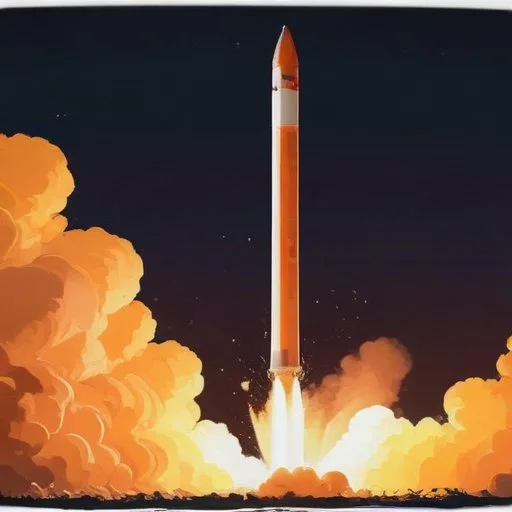
North Korea's satellite program has long been shrouded in controversy, with the international community questioning the true intentions behind these launches. The Kwangmyngsng4 incident was not an isolated event, but rather the culmination of a series of provocative actions by the ruling Workers' Party of Korea. In 2009, the launch of the Kwangmyngsng2 satellite triggered a similar outcry, with the UN Security Council condemning the move as a violation of Resolution 1718.
On that fateful day in February 2016, the Kwangmyngsng4 satellite was launched from the Sohae Satellite Launching Station, situated in the northwest of the country. The event was met with immediate condemnation from world leaders, who saw it as a thinly veiled attempt to advance Pyongyang's ballistic missile capabilities. The United States, Japan, and South Korea were among the first to denounce the launch, with the UN Security Council subsequently issuing a statement expressing "deep regret" over the violation of multiple resolutions.
The international community responded swiftly to the launch, with the UN Security Council imposing stringent sanctions on North Korea in March 2016. The measures targeted the country's banking and mineral sectors, aiming to cripple its ability to fund its military programs. The European Union, the United States, and Japan also introduced their own sets of sanctions, further isolating the reclusive nation.
The Kwangmyngsng4 launch has had a profound impact on the psyche of the North Korean people, who were dealt a rare glimpse of the country's military prowess. The event was hailed as a great success by the state-controlled media, with the launch being portrayed as a symbol of national pride and strength. However, the move also galvanized the international community, with many calling for increased pressure on Pyongyang to abandon its nuclear ambitions.
The Kwangmyngsng4 launch bears striking similarities to Iran's satellite launches in the 2000s, which also raised concerns about the true intentions behind these space programs. The incident has also drawn parallels with China's anti-satellite missile test in 2007, which sparked fears of an arms race in space.
The Kwangmyngsng4 launch has set a worrying precedent, highlighting the need for increased vigilance and cooperation among nations to prevent the proliferation of ballistic missile technology. The event has also underscored the importance of strengthening UN resolutions and implementing more effective sanctions to curb North Korea's military ambitions.
The launch of the Kwangmyngsng4 satellite has heralded a new era of tension and cooperation on the global stage. As the world grapples with the implications of this provocative move, one thing is clear: the stakes have never been higher in the pursuit of peace and security in the face of an unpredictable and defiant North Korea.
Pak To-chun, the Secretary of the Workers' Party of Korea, played a crucial role in overseeing the development and launch of the Kwangmyngsng4 satellite. Little is known about his early life, but his rise to power within the party's ranks is a testament to his strategic thinking and loyalty to the Supreme Leader, Kim Jong-un.
As a key figure in the country's space program, Pak To-chun was responsible for coordinating the efforts of scientists, engineers, and technicians involved in the Kwangmyngsng4 project. His ability to navigate the complex web of party politics and military interests was instrumental in bringing the project to fruition.
Despite his significant contribution to North Korea's space ambitions, Pak To-chun remains a mysterious figure, with few public appearances and no known interviews with foreign media. However, his influence on the country's military and space policies is undeniable, making him a vital component of the ruling elite.

The launch of the Kwangmyngsng4 satellite occurred against the backdrop of heightened tensions on the Korean Peninsula. In 2015, North Korea had conducted a series of nuclear tests, leading to increased sanctions and diplomatic pressure from the international community.
The launch was seen as a bold move by Pyongyang to demonstrate its military capabilities and respond to the perceived threat from the United States and its regional allies. The event also coincided with the ongoing standoff between North Korea and the United States over the latter's deployment of the Terminal High Altitude Area Defense (THAAD) system in South Korea.
In this context, the Kwangmyngsng4 launch was a calculated provocation, aimed at testing the resolve of the international community and asserting North Korea's independence in the face of mounting pressure.
The Kwangmyngsng4 satellite launch marked a significant milestone in North Korea's space program, showcasing the country's capabilities in designing and launching a sophisticated spacecraft.
The launch vehicle, a modified Unha-3 rocket, was reportedly capable of carrying a payload of up to 200 kg into low-Earth orbit. This demonstrated a significant improvement over previous launches, highlighting the progress made by North Korea's scientists and engineers in developing their space technology.
The success of the Kwangmyngsng4 launch also underscored the potential for North Korea to develop intercontinental ballistic missiles (ICBMs), sparking concerns among regional powers and the international community.

The Kwangmyngsng4 launch was hailed as a major achievement in North Korea, with state-controlled media portraying the event as a demonstration of the country's scientific prowess and national pride.
The launch was celebrated in grand style, with festivities and rallies held across the country. The event was also marked by the release of commemorative stamps and coins, highlighting its significance in North Korean culture and history.
The Kwangmyngsng4 launch has become a symbol of North Korea's defiance and independence, reflecting the country's unique cultural identity and its determination to resist external pressure and influence.
Declassified documents from the US State Department and the UN Security Council have provided valuable insights into the international community's response to the Kwangmyngsng4 launch.
A confidential memo from the US State Department revealed concerns about the launch's impact on regional security and the potential for North Korea to develop ICBMs. The memo highlighted the need for increased diplomatic pressure on Pyongyang to abandon its nuclear ambitions.
A UN Security Council report on the launch details the international community's condemnation of the event, with many countries calling for stricter sanctions and increased diplomatic pressure on North Korea. The report also highlighted concerns about the launch's potential to spark a regional arms race.