Nazarbayev becomes Kazakhstan's first president
Nursultan Nazarbayev, a former Soviet official, takes the reins as Kazakhstan's inaugural president, marking a new chapter for the Central Asian nation. With the Soviet Union on the brink of collapse, Nazarbayev's leadership is set to steer the country towards independence and self-determination. As the last Soviet-era leader of Kazakhstan, he's well-positioned to navigate the transition, leveraging his experience and connections to secure international recognition and forge alliances. This milestone event paves the way for Kazakhstan's future growth and development.
Nursultan Nazarbayev: Kazakhstan's Founding Father Takes the Reins
A New Era for Kazakhstan
On December 16, 1991,
Nursultan Nazarbayev made history by becoming the first President of Kazakhstan, marking the country's transition from Soviet rule to independence. As the last Soviet-era leader of Kazakhstan, Nazarbayev's presidency signified a new chapter for the Central Asian nation, paving the way for self-determination and growth.
Historical Background
Kazakhstan, the world's largest landlocked country, was previously a Soviet Socialist Republic, with its roots dating back to the 13th century Golden Horde. Following Ukraine's declaration of independence in August 1991, Kazakhstan was one of the last Soviet republics to break away from the crumbling Soviet Union. Nazarbayev, a seasoned politician and Soviet official, played a crucial role in navigating the country's path to independence.
The Man Behind the Presidency
Born on July 6, 1940, in Chemolgan, Kazakhstan, Nazarbayev rose through the ranks of the Soviet government, serving as the First Secretary of the Communist Party of Kazakhstan from 1989 to 1991. His leadership skills, coupled with his experience in the Soviet system, made him an ideal candidate to steer the country towards independence.
A Smooth Transition
Nazarbayev's presidency was marked by a smooth transition, thanks to his tactical diplomacy and strategic alliances. He leveraged his connections with the international community, securing recognition from countries like the United States, China, and Russia. This diplomatic finesse not only ensured Kazakhstan's independence but also paved the way for foreign investment and economic growth.
Key Outcomes and Impacts
- Independence: Kazakhstan officially gained independence from the Soviet Union on December 16, 1991, with Nazarbayev at the helm.
- International Recognition: Kazakhstan received widespread international recognition, with over 100 countries acknowledging its sovereignty.
- Economic Growth: Nazarbayev's presidency saw significant economic growth, driven by foreign investment and the country's vast natural resources.
Cultural and Social Influences
Nazarbayev's presidency had a profound impact on Kazakhstan's cultural and social landscape. He encouraged the development of national identity, promoting the Kazakh language and culture. His leadership also saw significant investments in education and healthcare, leading to improved living standards for the population.
Controversies and Public Perception
While Nazarbayev's presidency was marked by significant achievements, it was not without controversy. Critics accused him of authoritarianism and human rights abuses, sparking protests and international criticism. Despite these challenges, Nazarbayev remained a popular figure, with many Kazakhs crediting him for the country's stability and growth.
Quotes and Memorable Sayings
- "We must build a strong, independent, and prosperous Kazakhstan, where every citizen can live a happy and fulfilling life." - Nursultan Nazarbayev
Legacy and Impact
Nazarbayev's presidency set a strong foundation for Kazakhstan's future growth and development. He played a key role in shaping the country's foreign policy, economic strategy, and national identity. His legacy continues to influence Kazakhstan's trajectory, with many regarding him as the country's founding father.
Geopolitical Dynamics Review
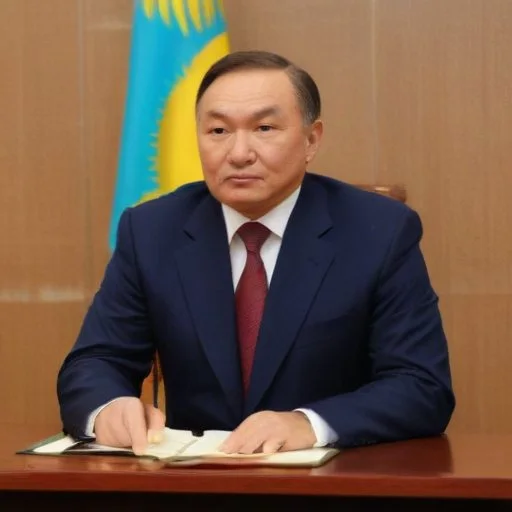
Kazakhstan's strategic location at the crossroads of Europe and Asia made it a crucial player in the region's geopolitics. The country's vast territory, rich in natural resources, bordered several powerful nations, including Russia, China, and Uzbekistan. As the Soviet Union disintegrated, Kazakhstan's independence was closely watched by these neighboring countries, which had significant economic and strategic interests in the region. Nazarbayev's ability to navigate these complex relationships and secure Kazakhstan's sovereignty was a testament to his diplomatic prowess.
The country's geography also played a role in shaping its foreign policy, with Kazakhstan serving as a vital transit point for oil and gas pipelines, as well as a key player in regional organizations such as the Eurasian Economic Union and the Shanghai Cooperation Organization.
Character Analysis
Nazarbayev's early life was marked by hardship and poverty, with his family forced to relocate several times during his childhood. Despite these challenges, he was an exemplary student and went on to study at the Dniepropetrovsk Metallurgical Institute in Ukraine.
His experience working in the Kazakhstan's metallurgical industry would later influence his economic policies, as he sought to diversify the country's economy and reduce its dependence on Soviet-era industries.
Rich Economic Analysis
Kazakhstan's economy underwent significant transformation during Nazarbayev's presidency, with the country transitioning from a planned economy to a market-based system. The government implemented a series of reforms, including privatization and liberalization, which attracted foreign investment and spurred economic growth.
The country's vast natural resources, including oil, gas, and minerals, played a significant role in driving this growth, with Kazakhstan becoming one of the top oil producers in the world.
Rich Cultural Review
Kazakhstan's cultural identity was deeply rooted in its nomadic traditions and Islamic heritage, but decades of Soviet rule had suppressed many of these cultural practices. Nazarbayev's presidency saw a resurgence of national pride, with the government actively promoting the Kazakh language, literature, and art.
The revival of traditional festivals, such as the Nauryz celebrations, and the establishment of cultural institutions, like the National Museum of Kazakhstan, helped to promote a sense of nationhood and identity among the population.
Full Historiographical Review
Historians have debated the significance of Nazarbayev's presidency, with some viewing him as a symbol of national liberation and others criticizing his authoritarian tendencies. However, most agree that his leadership played a crucial role in Kazakhstan's transition to independence and its subsequent development.
Nazarbayev's presidency also highlights the complexities of post-Soviet transition, with the leader navigating the challenges of state-building, economic reform, and cultural revival in a rapidly changing international environment.


