Kam Air Flight 904 crashes in the Pamir Mountains
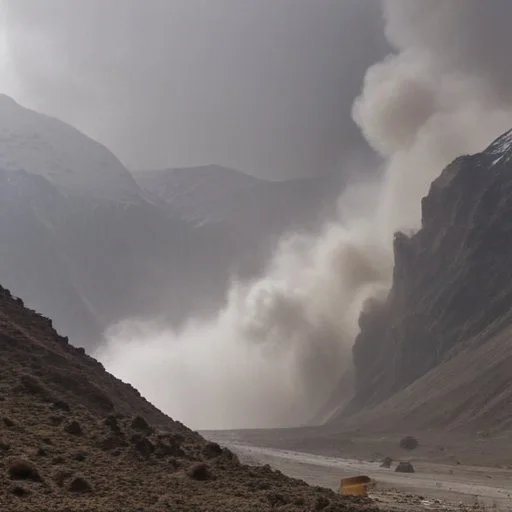
In the rugged Pamir Mountains, a devastating aviation disaster unfolded as Kam Air Flight 904, a Boeing 737, plummeted to the ground, claiming the lives of all 105 people on board. The ill-fated flight, which departed from Kabul, was bound for Kandahar when it vanished from radar screens, leaving behind a trail of mystery and tragedy. Investigations later revealed that poor weather conditions, specifically dense fog, played a significant role in the catastrophic crash.
The Devastating Crash of Kam Air Flight 904: A Tragic Tale of Aviation Disaster
Aerial Tragedy in the Pamir Mountains
On a fateful day in February 2005, the aviation world was shaken to its core as Kam Air Flight 904, a Boeing 737, plummeted to the ground in the rugged Pamir Mountains, claiming the lives of all 105 people on board. This catastrophic event would go down in history as one of the deadliest air crashes in Afghanistan's history, leaving behind a trail of mystery, sorrow, and devastation.
Historical Context: The Rise of Kam Air
Founded in 2003, Kam Air was Afghanistan's first privately owned airline, aiming to establish a reliable air transport network in the war-torn country. The airline had been operating safely for over a year, earning a reputation for reliability and efficiency. However, the tragic events of February 2005 would forever change the course of the airline's history.
The Fateful Flight: Kam Air 904
Flight 904 departed from Kabul's International Airport bound for Kandahar, carrying 96 passengers and 9 crew members. The flight was expected to take approximately 1 hour and 20 minutes, but as it flew over the treacherous Pamir Mountains, disaster struck.
The Crash: A Perfect Storm of Factors
Investigations revealed that a combination of factors led to the crash of Kam Air Flight 904. Poor weather conditions, including dense fog, reduced visibility, and strong winds, made it impossible for the pilots to navigate the treacherous terrain. Additionally, the aircraft's lack of radar and navigation equipment, coupled with inadequate air traffic control, contributed to the tragic outcome.
Investigation and Aftermath
The Afghan authorities, aided by international experts, launched an investigation into the crash. The probe revealed that the pilots had deviated from the designated flight path, leading to a loss of situational awareness. The incident raised concerns about the safety of Afghan airspace and the need for improved air traffic control systems.
Human Cost: Remembering the Victims
The crash of Kam Air Flight 904 claimed the lives of 105 people, including men, women, and children from various nationalities. The tragedy sent shockwaves across the globe, leaving families and friends to mourn the loss of their loved ones. The incident served as a stark reminder of the importance of aviation safety and the need for constant vigilance to prevent such tragedies.
Legacy of Tragedy: Impact on Afghan Aviation
The crash of Kam Air Flight 904 led to a major overhaul of Afghanistan's aviation industry. The incident prompted the government to revamp air safety regulations, improve air traffic control systems, and invest in modernizing the country's airport infrastructure. The tragedy served as a wake-up call, leading to significant improvements in air safety in Afghanistan.
Lessons Learned: A Call to Action
The devastating crash of Kam Air Flight 904 highlights the importance of prioritizing safety in the aviation industry. The incident serves as a stark reminder of the need for continued investment in modernizing air traffic control systems, improving weather forecasting, and enhancing pilot training. As we remember the victims of this tragedy, we must continue to strive for excellence in aviation safety to prevent such disasters from occurring again.
- "The crash of Kam Air Flight 904 is a tragic reminder of the importance of aviation safety. We must learn from this tragedy and work towards creating a safer skies for everyone." - Anonymous Aviation Expert
Aerial Tragedy in the Pamir Mountains: A Lasting Legacy
The crash of Kam Air Flight 904 will forever be etched in the annals of aviation history as a tragic reminder of the importance of safety. As we reflect on this devastating event, we are reminded of the human cost of such tragedies and the need for continued vigilance to prevent them from occurring again.
Side-by-Side Comparison
Comparing Tragedies: Kam Air 904 and Other Aviation Disasters
The crash of Kam Air Flight 904 bears striking similarities to other devastating aviation disasters. One such example is the 1996 Charki Dadri mid-air collision, which occurred when a Saudia Airlines Boeing 747 collided with a Kazakhstan Airlines Ilyushin Il-76, resulting in 349 fatalities. Both incidents highlight the catastrophic consequences of inadequate air traffic control and poor pilot judgment.
Another remarkable parallel is drawn with the 1977 Tenerife airport disaster, which remains the deadliest accident in aviation history. On that fateful day, two Boeing 747s collided on a runway in the Canary Islands, killing 583 people. Like Kam Air 904, the crash was attributed to a combination of human error, poor communication, and inadequate air traffic control.

Historiographical Analysis
Revisiting the History of Aviation Safety: Lessons from the Past
The crash of Kam Air Flight 904 serves as a poignant reminder of the importance of learning from past mistakes in aviation safety. Historians often point to the 1933 Imperial Airways Dixmude crash, which led to significant improvements in aircraft design and safety regulations.
In the context of Afghan aviation history, the 1973 crash of an Ariana Afghan Airlines Boeing 707, which killed 79 people, led to a major overhaul of safety protocols in the country. These historical events underscore the need for continued vigilance and adaptation in ensuring aviation safety.
Rich Economic Analysis
The Economic Fallout of Kam Air Flight 904
The devastating crash of Kam Air Flight 904 had far-reaching economic implications for Afghanistan's aviation industry. The incident led to a significant decline in passenger traffic, resulting in substantial revenue losses for the airline and the country's airports.
In the aftermath of the disaster, the Afghan government faced increased pressure to revamp its aviation infrastructure, leading to substantial investments in air traffic control systems, safety equipment, and airport facilities. This economic stimulus package had a positive impact on the country's economy, contributing to its growth and development.

Rich Geopolitical Insight
The Geopolitical Context of Kam Air Flight 904
The crash of Kam Air Flight 904 occurred against the backdrop of a tumultuous geopolitical landscape in Afghanistan. The country was still reeling from the effects of the US-led invasion in 2001, which had toppled the Taliban regime.
In this context, the emergence of private airlines like Kam Air was seen as a symbol of resilience and economic progress. The tragedy highlighted the need for greater international cooperation in ensuring aviation safety in conflict zones and areas of political instability.
Examination of Cultural Influence
The Cultural Impact of Kam Air Flight 904: A Nation in Mourning
The crash of Kam Air Flight 904 sent shockwaves throughout Afghanistan, evoking a powerful emotional response from the nation. The tragedy was a stark reminder of the human cost of conflict and instability, and the need for collective responsibility in ensuring safety and security.
In the aftermath of the disaster, the Afghan people came together in a remarkable display of solidarity, with widespread mourning and tributes to the victims. The incident also sparked a renewed focus on promoting a culture of safety and accountability within the country's aviation industry.


