


Known for its intense airstrikes and devastating humanitarian crisis, Operation Cast Lead was a three-week military operation launched by Israel on December 27, 2008, targeting the Gaza Strip. The operation aimed to cripple Hamas' military capabilities and restore security to Israel's southern regions, but it ended up causing widespread destruction and loss of civilian life.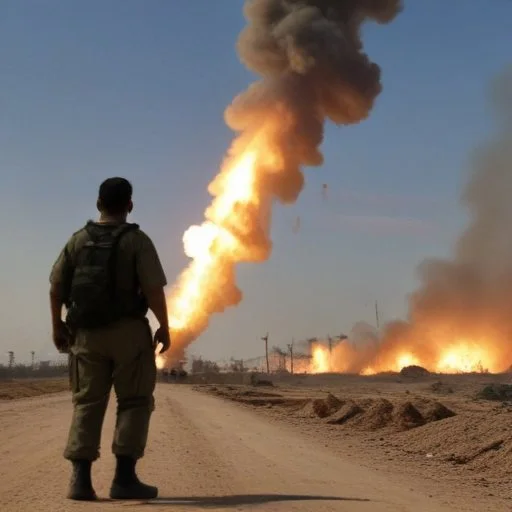
In the years leading up to the operation, tensions had been rising between Israel and Hamas, the governing authority in Gaza. A fragile ceasefire had been in place since 2008, but it was repeatedly broken by rocket attacks from Gaza into Israel. In response, Israel imposed a blockade on the Gaza Strip, which severely restricted the flow of goods and people in and out of the territory.
On December 27, 2008, Israel launched Operation Cast Lead with a wave of airstrikes on key Hamas strongholds and infrastructure in Gaza. The operation was led by Israeli Defense Minister Ehud Barak and Chief of Staff Gabi Ashkenazi, with the goal of destroying Hamas' military capabilities and restoring security to Israel's southern regions.
The operation resulted in widespread destruction and loss of civilian life in Gaza. According to the United Nations, 1,383 Palestinians were killed, including 333 children and 116 women, and over 5,000 were injured. The operation also left thousands of homes and buildings destroyed or damaged, and caused a severe humanitarian crisis.
The operation sparked widespread international condemnation and protests, with many countries calling for an immediate ceasefire and humanitarian aid to Gaza. The operation also had a significant impact on Israeli politics, with the government facing criticism for its handling of the crisis.
The operation was heavily criticized for its disproportionate use of force and the high number of civilian casualties. Human rights organizations accused Israel of war crimes, and the international community called for an investigation into the operation.
I remember watching the news footage of the operation and feeling a sense of horror and disbelief. The images of destruction and devastation were heartbreaking, and the stories of families who had lost loved ones were devastating. It was clear that the operation had caused immense suffering and hardship for the people of Gaza.
The operation had a significant impact on the Middle East peace process, with many countries calling for a renewed effort to broker a peace agreement between Israel and the Palestinians. The operation also led to increased tensions between Israel and Hamas, and a period of heightened security measures in the region.
Operation Cast Lead was a complex and controversial event that had far-reaching consequences for the people of Gaza and the wider Middle East region. While it was intended to restore security to Israel's southern regions, it ultimately caused widespread destruction and loss of life, and raised important questions about the use of force in conflict resolution.
Operation Cast Lead was not the first military operation launched by Israel in the Gaza Strip. In 2006, Israel launched Operation Summer Rains, which was a similar operation aimed at stopping Hamas' rocket attacks. However, Operation Cast Lead was much more intense and devastating, with a significant increase in airstrikes and ground troop deployments.
The operation was also notable for its timing, coming just weeks after a fragile ceasefire had been brokered between Israel and Hamas. The ceasefire had been agreed upon in June 2008, but it was repeatedly broken by rocket attacks from Gaza into Israel.
Despite the intense violence, Operation Cast Lead was not the deadliest conflict in the region. The 2006 Lebanon War, fought between Israel and Hezbollah, resulted in over 1,000 civilian deaths. However, Operation Cast Lead was one of the most devastating conflicts of the 2000s, and its impact on the Gaza Strip was still being felt years later.
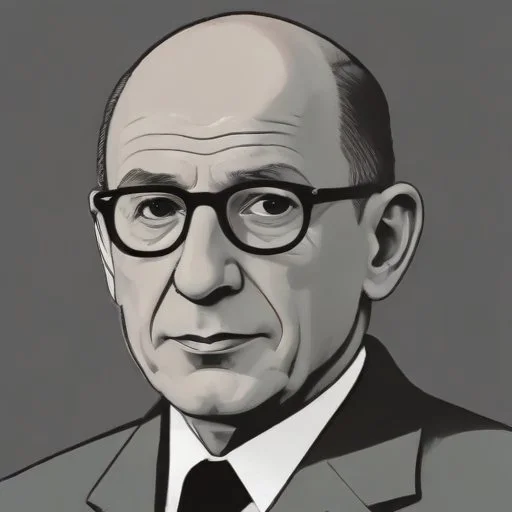
Ehud Barak, Israel's Defense Minister, was a key figure in the planning and execution of Operation Cast Lead. A former Prime Minister of Israel, Barak was known for his tough stance on national security and his ability to bring together disparate factions within the Israeli government.
Gabi Ashkenazi, the Chief of Staff of the Israeli military, was another key figure in the operation. Ashkenazi was a career soldier who had risen through the ranks to become one of the most respected military leaders in Israel.
Khaled Mashal, the political leader of Hamas, was a major opponent of Operation Cast Lead. Mashal was known for his fiery rhetoric and his ability to rally support for Hamas among the Palestinian people.
Operation Cast Lead was often compared to the 2006 Lebanon War, another major conflict fought between Israel and a militant Islamist group. While both operations shared some similarities, they also had some key differences.
One major difference was the level of international condemnation. The 2006 Lebanon War was widely condemned by the international community, with many countries calling for an immediate ceasefire. Operation Cast Lead, on the other hand, received a more mixed response, with some countries calling for a ceasefire while others defended Israel's right to self-defense.
Another key difference was the level of civilian casualties. The 2006 Lebanon War resulted in over 1,000 civilian deaths, while Operation Cast Lead resulted in around 1,400 civilian deaths. However, the destruction caused by Operation Cast Lead was much more widespread, with entire neighborhoods reduced to rubble.
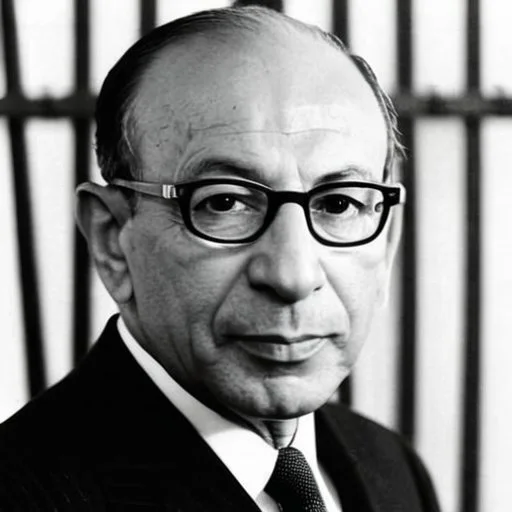
Operation Cast Lead had a devastating impact on the environment of the Gaza Strip. The heavy use of airstrikes and artillery bombardments resulted in the destruction of thousands of buildings and homes, leaving behind a trail of rubble and debris.
The operation also resulted in significant pollution, with oil spills and toxic chemicals released into the environment. The Palestinian Ministry of Health reported that over 100,000 tons of gasoil and 30,000 tons of diesel were spilled into the environment during the operation.
The destruction of agricultural land and livestock was another major environmental impact of the operation. Many farmers lost their livelihoods, and the Gaza Strip'salready-struggling agricultural sector was dealt a significant blow.
Operation Cast Lead was a highly political operation, with significant implications for Israeli politics and the Middle East peace process. The operation was launched during a period of political turmoil in Israel, with elections scheduled for February 2009.
The operation was widely supported by the Israeli public, with many Israelis seeing it as a necessary response to Hamas' rocket attacks. However, the operation also sparked widespread international condemnation, with many countries calling for an immediate ceasefire.
The operation also had significant implications for the Middle East peace process. The operation damaged relations between Israel and the Palestinian Authority, and made it more difficult to achieve a lasting peace agreement.