


The 1978 Multan Massacre, a brutal crackdown on peaceful protesting workers at the Multan Colony Textile Mills in Pakistan, remains one of the most horrific incidents of state-backed violence in the country's history. On the ill-fated day, paramilitary forces, acting on the orders of President Muhammad Ziaul Haq, opened fire on the unarmed workers, leaving countless casualties and a scar that would haunt the nation for generations to come.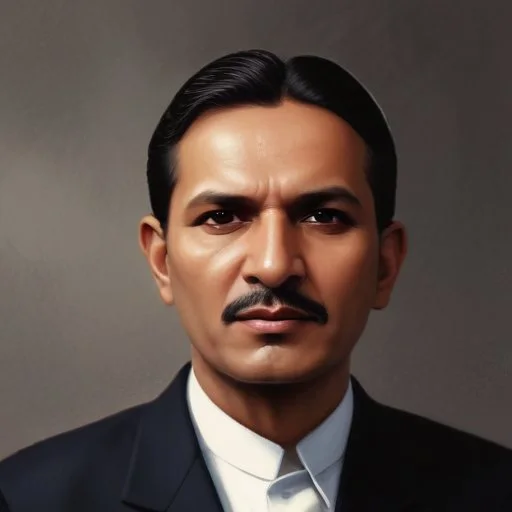
In the late 1970s, Pakistan's textile industry was booming, with the Multan Colony Textile Mills being one of the largest employers in the region. However, the workers, mostly from rural areas, were exploited and subjected to inhumane working conditions, with minimal wages and no social security. The labor movement, led by left-wing activists and trade unions, had been gaining momentum, demanding better working conditions, fair wages, and recognition of their rights.
The incident that triggered the massacre was a peaceful protest on November 2, 1978, when thousands of workers gathered outside the Multan Colony Textile Mills, demanding an end to the exploitation and maltreatment. The peaceful nature of the protest was evident in the presence of women and children, who had joined their family members in the demonstrations.
As the protest gained momentum, the government, fearing a potential challenge to its authority, ordered the paramilitary forces to disperse the crowd. Without warning, the forces opened fire on the unarmed workers, indiscriminately shooting at the crowd, and leaving scores of people dead or injured. The brutality of the attack was such that even the local hospitals were overwhelmed, struggling to cope with the influx of casualties.
The 1978 Multan Massacre sent shockwaves across the nation, with widespread condemnation pouring in from human rights activists, political parties, and civil society. The incident marked a turning point in Pakistan's labor movement, galvanizing the working class to demand their rights and push for labor reforms. The government, however, remained unrepentant, justifying the crackdown as necessary to maintain law and order.
Four decades since the tragic event, the 1978 Multan Massacre continues to serve as a grim reminder of the heavy-handed approach of the Pakistani government towards dissent. While the struggle for workers' rights has made progress, the incident remains a potent symbol of the powerlessness of the working class in the face of state-backed oppression. The massacre has also been etched in the country's collective memory, a testament to the enduring spirit of resistance and the unwavering demand for justice.
Every year, on November 2, the people of Multan and labor activists across Pakistan come together to commemorate the sacrifice of the martyrs of the 1978 Massacre. The day is marked by candlelight vigils, processions, and protests, as the nation remembers the innocent lives lost and reiterates its commitment to the struggle for workers' rights and social justice.
The 1978 Multan Massacre remains a stark reminder of the need for accountability and the imperative to protect the rights of the working class. Despite the progress made, the incident serves as a cautionary tale, highlighting the dangers of unchecked power and the imperative for eternal vigilance in the pursuit of social justice.
Historians have long debated the role of President Muhammad Ziaul Haq in the 1978 Multan Massacre, with some arguing that he was directly responsible for the brutal crackdown, while others claim that he was misled by his advisors. Regardless, the incident marked a turning point in Zia's presidency, as it exposed the government's willingness to use violence to quell dissent. The massacre also led to a shift in the historiography of Pakistan's labor movement, with scholars beginning to view the event as a pivotal moment in the country's struggle for workers' rights.
Another area of debate among historians is the extent to which the massacre was a product of Cold War politics. Some argue that the government's fears of communist infiltration in the labor movement led to the crackdown, while others argue that this was merely a convenient excuse for the government's own repressive policies. Regardless, the incident highlights the complex interplay between domestic politics and global geopolitics in shaping the course of history.

The 1978 Multan Massacre occurred at a time of great geopolitical flux, with the Soviet Union's invasion of Afghanistan in 1979 and the Iranian Revolution of 1979 both taking place in the following year. In this context, the Pakistani government's crackdown on the labor movement can be seen as part of a broader strategy to maintain control and stability in the face of regional uncertainty.
The massacre also highlighted the tension between Pakistan's desire for economic development and its need to maintain social stability. The country's textile industry was a key driver of economic growth, but the exploitation of workers was a necessary condition for this growth. The government's response to the protests was thus a product of its conflicting priorities, as it sought to balance the needs of capital and labor.
The 1978 Multan Massacre is often compared to other incidents of state-backed violence against labor movements, such as the 1968 Tlatelolco massacre in Mexico and the 1980 Gwangju massacre in South Korea. While the specific circumstances of each event differ, they share a common thread of government repression and the suppression of worker dissent.
In contrast, the massacre also highlights the importance of international solidarity in the labor movement. The protests and condemnations that followed the massacre were not limited to Pakistan, but were echoed by labor activists and human rights groups around the world.

Shah Muhammad Abbasi, a prominent labor leader and activist, played a key role in organizing the protests that led to the 1978 Multan Massacre. Abbasi was a charismatic figure who had spent years advocating for workers' rights and social justice, and his leadership helped to galvanize the labor movement in the face of government repression.
Abbasi's courage in the face of state-backed violence has become legendary, and he is now revered as a hero of the Pakistani labor movement. His legacy continues to inspire activists and workers today, serving as a powerful reminder of the importance of standing up against oppression and fighting for one's rights.
The 1978 Multan Massacre had significant environmental implications, as the textile industry's exploitation of workers was mirrored in its exploitation of the environment. The industry's polluting factories and toxic waste had long been a concern for local residents, who suffered from respiratory problems and other health issues as a result of the pollution.
The massacre also highlighted the intersectionality of social and environmental justice, as the workers who were killed and injured were largely from rural areas and were already vulnerable to environmental degradation. The incident serves as a stark reminder of the need for sustainable and equitable development that prioritizes the needs of both workers and the environment.