


In the sweltering heat of Baghdad, September 1960 marked a seismic shift in the global energy landscape as five oil-rich nations converged to form the Organization of Petroleum Exporting Countries (OPEC). This historic meeting of visionary oil ministers from Iraq, Iran, Kuwait, Saudi Arabia, and Venezuela ignited a fire that would forever change the dynamics of the oil industry.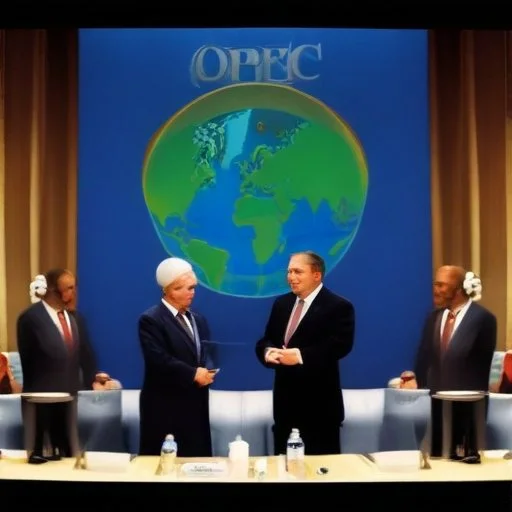
In the early 20th century, Western oil companies, including the likes of Standard Oil and Royal Dutch Shell, dominated the global oil market, dictating prices and controlling production. Oil-producing nations were relegated to mere spectator status, with little to no control over their own natural resources. The proverbial stranglehold on oil production and pricing became an unbearable weight, prompting these visionary leaders to take a stand.
The five founding nations shared a common goal: to assert their sovereign rights over their natural resources and take back control of their oil industries. United, they pooled their collective strength to counterbalance Western oil companies and determine their own oil prices. This alliance did not happen by chance; it was the culmination of years of secretive meetings, backroom deals, and calculated diplomacy.
OPEC's formation marked a paradigm shift in the global energy landscape. The organization's central role in determining oil prices sent shockwaves through the industry, forcing Western oil companies to adapt to the new reality. As OPEC grew, so did its influence, with member states leveraging their collective bargaining power to shape global energy policy.
OPEC's influence extends beyond the energy sector, with far-reaching implications for global politics, economies, and trade. The organization's ability to shape oil prices has been instrumental in shaping global economic trends, from the 1970s oil embargo to the modern-day fluctuations in the global energy market.
As the world grapples with the challenges of climate change, energy security, and economic uncertainty, OPEC remains a powerful force, shaping the course of the global energy landscape. The organization's commitment to cooperation, sovereignty, and economic development has inspired a new generation of leaders, ensuring that the spirit of 1960 continues to burn bright.
In the words of OPEC's Secretary General, Mohammed Sanusi Barkindo, "OPEC is not just an organization, it's a symbol of the collective strength and determination of oil-producing nations to shape their own destiny and secure a better future for generations to come."
OPEC's founding is a testament to the power of cooperation and determination, a beacon of hope in a world where the rules are often written by those who hold the most power. As the organization looks to the future, one thing is certain – OPEC's impact will continue to resonate for generations to come.
In the years leading up to the formation of OPEC, oil-producing nations were increasingly frustrated with the lack of control they had over their own natural resources. The 1940s and 1950s saw a series of nationalization efforts, with countries like Iran and Venezuela taking steps to regain control of their oil industries. However, it wasn't until the meeting of the five founding nations in 1960 that a united front was formed to challenge the dominance of Western oil companies.
This meeting was the culmination of years of behind-the-scenes diplomacy and secret negotiations. Oil ministers from the five nations had been meeting in secret, discussing ways to cooperate and coordinate their efforts to take control of their oil industries. The meeting in Baghdad was the final push, and it marked the beginning of a new era in the global energy landscape.
The early days of OPEC were not without challenges, however. The organization faced opposition from Western oil companies, which saw OPEC as a threat to their dominance. Additionally, there were internal conflicts within OPEC, as member states had different priorities and goals. Despite these challenges, OPEC persevered, and its influence grew steadily over the years.

Abdullah Tariki, the "Red Sheikh", was a key figure in the formation of OPEC. A charismatic and visionary leader, Tariki was instrumental in bringing the five founding nations together to form the organization. As the oil minister of Saudi Arabia, he was a strong advocate for the rights of oil-producing nations, and he played a crucial role in shaping OPEC's early years.
Tariki's background was unusual for an oil minister. Born in 1919, he came from a Bedouin family and was educated in the United States. He was known for his progressive views and his commitment to social justice, earning him the nickname "the Red Sheikh."
Tariki's legacy continues to be felt today. He is remembered as a champion of the rights of oil-producing nations and a pioneer in the fight against Western oil dominance.
OPEC's formation was not an isolated event, but rather part of a broader trend of decolonization and nationalization in the post-World War II era. This comparative analysis highlights the similarities and differences between OPEC and other organizations formed during this period.
OPEC and the Non-Aligned Movement: Both OPEC and the Non-Aligned Movement (NAM) emerged in the 1960s as a response to Western dominance. While NAM focused on political and economic cooperation among newly independent nations, OPEC focused specifically on oil production and pricing.
OPEC and the Organization of African Unity: Like OPEC, the Organization of African Unity (OAU) was formed in the 1960s to promote economic cooperation and development among African nations. While OAU's focus was broader, both organizations shared a commitment to promoting the economic interests of their member states.

OPEC's impact on the global economy has been significant, with far-reaching implications for oil prices, trade balances, and economic growth. This economic impact report provides an overview of OPEC's role in shaping the global economy.
OPEC's Oil Pricing Power: OPEC's ability to influence oil prices has had a significant impact on the global economy. By setting production levels and controlling supply, OPEC has been able to shape oil prices and affect the bottom line of oil-importing countries.
A study by the International Energy Agency found that OPEC's pricing power has resulted in a significant transfer of wealth from oil-importing countries to oil-exporting countries. Between 1970 and 2010, this transfer of wealth was estimated to be over $2 trillion.
OPEC's formation was a political watershed moment, marking a shift in the global balance of power from Western oil companies to oil-producing nations. This political analysis explores the implications of OPEC's formation for global politics and international relations.
OPEC and the Rise of the South: OPEC's formation marked a turning point in the rise of the South as a major player in global politics. As oil-producing nations gained control over their natural resources, they began to exert greater influence on the global stage.
The 1970s oil embargo, which saw OPEC member states imposing an oil embargo on Western countries in response to their support of Israel in the Yom Kippur War, was a major demonstration of OPEC's newfound political power.