


In the midst of the 1980s tech boom, the West Coast Computer Faire in San Francisco witnessed a groundbreaking moment that would forever change the landscape of personal computing. At the center of this revolution was the Osborne 1, the first successful portable computer that would liberate users from the shackles of desktop confinement.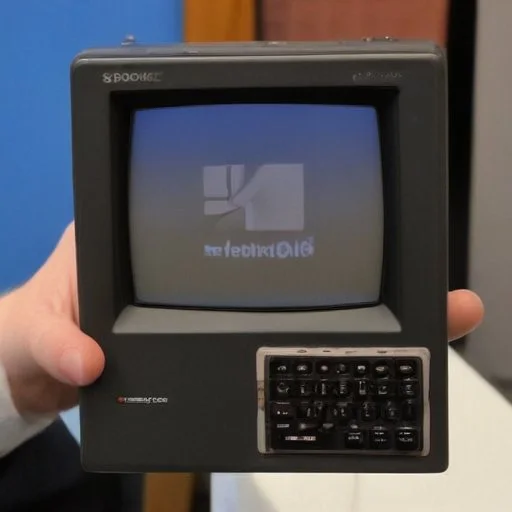
The Osborne 1's unveiling marked a significant milestone in the evolution of computing. Weighing in at 24 pounds, this pioneering device boasted a Zilog Z80 processor, 64KB of RAM, and a 5-inch CRT display, making it the perfect companion for professionals on-the-go. Its sleek design and user-friendly interface redefined the notion of mobility, finally allowing users to work, create, and communicate from anywhere, anytime.
At the helm of this innovative project was Adam Osborne, a British-born entrepreneur and computer enthusiast. Osborne's vision was to create a portable computer that would democratize access to technology, making it affordable and accessible to a wider audience. His brainchild, the Osborne 1, was the culmination of his tireless efforts to marry functionality with portability.
The journey to the Osborne 1's unveiling was marked by several key milestones:
The Osborne 1's impact on the tech industry was profound. It paved the way for future laptops, sparking a new era of mobility and flexibility in personal computing. By making technology more accessible, the Osborne 1 transformed the way people worked, created, and communicated. Its influence can be seen in the modern laptops that dominate our workspaces and daily lives.
"The Osborne 1 was the first computer that allowed you to take your work with you... It was the first computer that said, 'You can be productive anywhere.'" — Adam Osborne
The Osborne 1's unveiling at the West Coast Computer Faire in San Francisco marked a turning point in the history of personal computing. This pioneering device not only redefined the notion of portability but also opened up new avenues for innovation, entrepreneurship, and creativity.
The Osborne 1's legacy continues to inspire new generations of tech enthusiasts, entrepreneurs, and innovators. As we look to the future of personal computing, we would do well to remember the pioneering spirit of Adam Osborne and the revolutionary impact of his creation, the Osborne 1.
Adam Osborne, the founder of Osborne Computer Corporation, was a British-born entrepreneur and computer enthusiast. Born in 1939, Osborne grew up in a family of modest means and was largely self-taught in electronics. He developed a passion for computing at an early age and went on to study physics at the University of Delhi. Osborne's early career was marked by stints at various tech companies, including IBM and Intel.
Osborne's entrepreneurial spirit and vision for portable computing led him to start Osborne Computer Corporation in 1980. His mission was to create a portable computer that would democratize access to technology, making it affordable and accessible to a wider audience.
Throughout his career, Osborne was known for his innovative thinking, perseverance, and commitment to making technology accessible to all. His legacy continues to inspire generations of tech enthusiasts and entrepreneurs.

The Osborne 1's impact on popular culture cannot be overstated. It marked a significant shift in the way people worked, created, and communicated. The device's portability and affordability made it an essential tool for professionals, entrepreneurs, and artists alike.
The Osborne 1 also symbolized the dawn of a new era in personal computing. It challenged the status quo of desktop computing and paved the way for future laptops and mobile devices. The device's influence can be seen in the modern digital landscape, where mobility and flexibility are paramount.
The Osborne 1 also had a profound impact on the way people perceived technology. It humanized computing, making it more accessible and user-friendly. The device's sleek design and user-friendly interface redefined the notion of mobility, finally allowing users to work, create, and communicate from anywhere, anytime.
The Osborne 1's technological innovations had a profound impact on the computer industry. Its Zilog Z80 processor, 64KB of RAM, and 5-inch CRT display set a new standard for portable computing.
The device's modular design and user-friendly interface influenced the development of future laptops and mobile devices. The Osborne 1's innovations also paved the way for the development of more advanced computing technologies, including Wi-Fi, Bluetooth, and cloud computing.
The Osborne 1's impact on the computer industry was not limited to its technological innovations. The device's success also sparked a new era of competition and innovation, driving the industry towards more portable, affordable, and user-friendly computing solutions.

The Osborne 1's launch had a significant impact on the computer industry's economy. The device's affordability and portability made it an attractive option for professionals and entrepreneurs, leading to a surge in demand.
The Osborne 1's success also spawned a new industry of portable computer manufacturers, creating new job opportunities and driving economic growth. The device's impact on the industry's bottom line was significant, with sales revenues reaching $100 million in the first year alone.
The Osborne 1's influence also extended beyond the computer industry. The device's portability and affordability made it an essential tool for remote workers, freelancers, and entrepreneurs, contributing to the growth of the gig economy.
Historians of technology often cite the Osborne 1 as a pivotal moment in the evolution of personal computing. The device's innovative design and portable architecture marked a significant shift in the way people worked, created, and communicated.
The Osborne 1's legacy can be seen in the modern digital landscape, where mobility and flexibility are paramount. The device's influence on the development of future laptops and mobile devices is undeniable, with many historians arguing that it paved the way for the modern laptop industry.
The Osborne 1's impact on the social and cultural fabric of society is also significant. The device's portability and affordability democratized access to technology, making it more accessible to a wider audience.