


In the early hours of September 26, 2002, the Senegalese ferry, MV Le Joola, suffered a catastrophic fate, resulting in one of the most devastating maritime disasters in recent history. Over 1,000 lives were lost as the overcrowded vessel capsized off the coast of the Gambia, leaving behind a trail of grief, shock, and despair.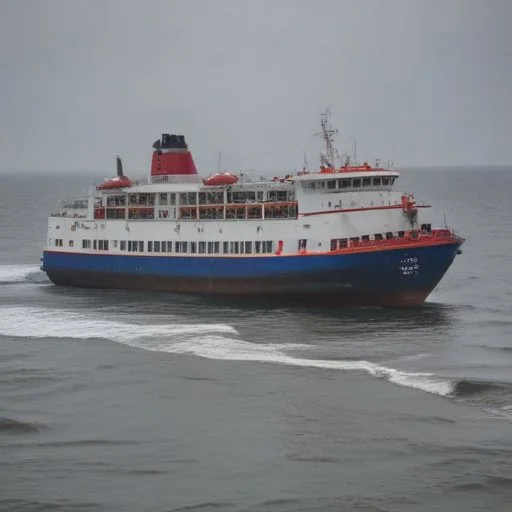
The MV Le Joola was no stranger to overcrowding, having consistently exceeded its recommended capacity of 560 passengers. Despite numerous warnings and concerns raised by authorities, the ferry continued to operate, prioritizing profits over safety. This tragic event was the culmination of a series of egregious errors, highlighting the need for stricter regulations and enforcement in the maritime industry.
On the ill-fated day, the MV Le Joola set sail from Dakar, Senegal, bound for Casamance, a region in southern Senegal. The ferry navigated through treacherous waters, battling strong winds and heavy rains. As the vessel struggled to stay afloat, panic set in among the passengers, who were largely unaware of the impending doom.
The capsizing of the MV Le Joola resulted in an unprecedented loss of life, with estimates suggesting that over 1,000 people perished. The tragedy sent shockwaves around the world, prompting widespread outrage and grief. The aftermath of the disaster revealed a litany of safety failures, including inadequate life jackets, insufficient emergency training, and a lack of effective communication systems.
In the wake of the tragedy, an investigation was launched to determine the causes of the disaster. The inquiry highlighted a range of factors, including poor weather conditions, inadequate safety measures, and sheer negligence. The incident led to a major overhaul of maritime safety regulations in Senegal and beyond, with efforts focused on preventing such a tragedy from occurring again in the future.
The MV Le Joola disaster serves as a poignant reminder of the devastating consequences of human error and negligence. As we reflect on this tragedy, we honor the memories of those who lost their lives and reaffirm our commitment to promoting safety and accountability in all aspects of life.
"The MV Le Joola disaster is a stark reminder of the importance of prioritizing safety and accountability in all aspects of life. We must learn from this tragedy and work towards creating a safer, more responsible world for all."
As we remember the victims of this tragedy, we are reminded of the importance of prioritizing safety, accountability, and human life. The MV Le Joola disaster serves as a poignant reminder of the devastating consequences of human error and negligence, and it is our responsibility to ensure that such a tragedy never occurs again.
The MV Le Joola disaster was not an isolated incident in the history of maritime accidents. In fact, it was part of a larger pattern of ferry disasters that had been plaguing West Africa for decades. In the 1980s and 1990s, numerous ferry accidents had occurred in the region, resulting in significant loss of life. Despite these incidents, safety measures and regulations had not been adequately implemented, setting the stage for the catastrophic event that would unfold on September 26, 2002.
In the years leading up to the disaster, there had been several near-misses involving the MV Le Joola itself. In 1999, the ferry had experienced engine trouble, and in 2001, it had collided with a cargo ship. These incidents had raised concerns among authorities and experts, but they were largely ignored by the ferry's operators.
The lack of accountability and oversight in the maritime industry was not unique to Senegal. Across West Africa, ferry operators were often prioritizing profits over safety, and governments were failing to enforce regulations. The MV Le Joola disaster would ultimately serve as a wake-up call, prompting widespread reform and a renewed focus on safety in the industry.

Captain Doudou Faye, the master of the MV Le Joola, was a seasoned sailor with over 20 years of experience. However, his role in the disaster has been widely criticized. Faye had been warned about the ferry's unstable condition and the poor weather forecast, but he chose to press on, putting the lives of his passengers at risk.
Faye's decision-making has been attributed to a combination of factors, including pressure to meet schedules and maximize profits. The investigation into the disaster would later reveal that Faye had been in direct communication with the ferry's owners, who had urged him to continue the journey despite the hazardous conditions.
The MV Le Joola disaster had a profound impact on the cultural and social fabric of Senegal and the Gambia. The tragedy resulted in a significant loss of human capital, with many families losing multiple members. The disaster also disrupted trade and commerce in the region, as the ferry was a vital link between Senegal and the Gambia.
In the aftermath of the disaster, there was widespread outrage and grief. The incident sparked a national conversation about safety and accountability, with many calling for greater government oversight and regulation of the maritime industry.
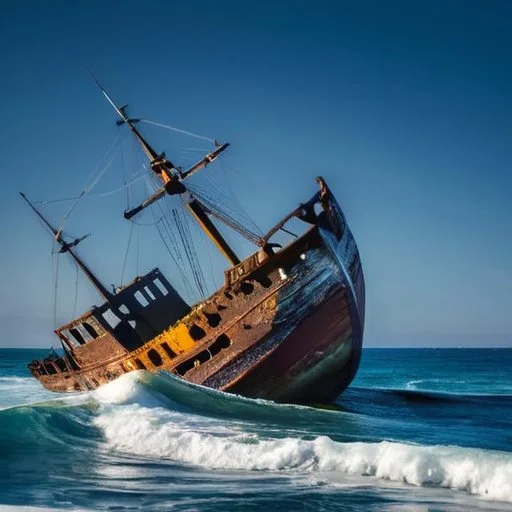
The economic impact of the MV Le Joola disaster was significant, with estimated losses totaling over $100 million. The ferry was a critical component of the transportation infrastructure in West Africa, and its loss disrupted trade and commerce in the region.
The disaster also had a significant impact on Senegal's economy, as the country was forced to divert resources to rescue and recovery efforts. The incident highlighted the need for greater investment in safety and infrastructure, and it led to a major overhaul of the country's maritime industry.
The MV Le Joola disaster occurred against the backdrop of a complex geopolitical landscape in West Africa. The region was plagued by conflict, corruption, and instability, which had created an environment in which safety and accountability were often compromised.
The disaster highlighted the need for greater regional cooperation and coordination on safety and security issues. In the aftermath of the tragedy, there were calls for a more unified approach to maritime safety and regulation, as well as greater investment in infrastructure and training.