


On October 15, 1582, Pope Gregory XIII unveiled the Gregorian calendar, a bold reform that would shake the foundations of timekeeping and leave an indelible mark on human history. This groundbreaking calendar corrected the 11-minute error per year of the Julian calendar, which had accumulated to a staggering 10-day discrepancy over 15 centuries, ensuring that the passage of time would be accurately recorded for the next 3,300 years.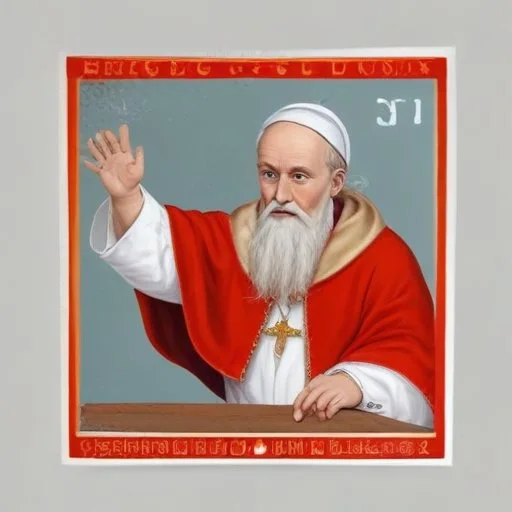
The quest for precision in timekeeping dates back to ancient civilizations. The Babylonians, Mayans, and Egyptians all developed sophisticated calendars, but it was Julius Caesar's Julian calendar that became the standard for the Western world in 45 BCE. However, the Julian calendar's error rate of 11 minutes per year may have seemed negligible, but it added up over time, causing seasonal drift and disrupting the harmony between the calendar and the Earth's orbit.
A Camaldolese monk and diplomat, Pope Gregory XIII was a man of unwavering vision and determination. Elected as the Pope in 1572, he was driven by a passion for reform and a desire to unite the Catholic Church. His papacy was marked by notable accomplishments, including the establishment of the Gregorian University and the reform of the Roman Catholic liturgy.
The Gregorian calendar's innovative features included a refined rule for leap years, where century years (years ending in 00) would only be leap years if divisible by 400. This ensured that the calendar would remain accurate to within one day over a span of approximately 3,300 years.
The adoption of the Gregorian calendar was gradual, with various countries and cultures embracing the new system at different times. Spain, Portugal, and Italy were among the first to implement the calendar, while Germany and Holland followed suit in the early 17th century. The calendar's widespread adoption was facilitated by its use in international trade and navigation, ultimately becoming the global standard for timekeeping.
The Gregorian calendar's impact extended beyond the realm of timekeeping, influencing art, literature, and culture. The calendar's introduction coincided with the dawn of the Renaissance, an era marked by resurgence in classical learning, artistic innovation, and scientific discovery.
The introduction of the Gregorian calendar was not without its critics. Orthodox Christian countries, such as Greece and Russia, resisted the change, adhering to the Julian calendar for centuries. The calendar's abandonment of 10 days in October 1582 also caused confusion and disruption in everyday life.
The Gregorian calendar's enduring legacy is a testament to the power of human ingenuity and collaboration. It has facilitated global communication, trade, and exploration, shaping the modern world as we know it. Today, the calendar remains an integral part of our daily lives, a silent witness to the passage of time.
As we reflect on the Gregorian calendar's profound impact, we are reminded of the words of Pope Gregory XIII himself: "We have corrected the error of the Julian calendar, and we have brought the calendar back to its original state, in conformity with the solar year."
The Gregorian calendar's impact on art and literature was profound. The calendar's introduction coincided with the dawn of the Renaissance, an era marked by a resurgence in classical learning, artistic innovation, and scientific discovery. The calendar's accuracy and precision inspired artists and writers to explore new themes and styles, leading to a cultural renaissance that continues to influence Western art and literature today.
The calendar's adoption also led to a renewed interest in ancient Greek and Roman texts, sparking a wave of translations and adaptations that helped to lay the foundations for the Enlightenment. Writers and philosophers like Galileo Galilei, Francis Bacon, and René Descartes were among the earliest beneficiaries of the calendar's influence, using its precision to inform their groundbreaking works.
Meanwhile, composers like Monteverdi and Palestrina were inspired by the calendar's rhythmic precision to create musical masterpieces that continue to awe audiences today. The Gregorian calendar's impact on the arts has been nothing short of revolutionary, shaping the course of Western cultural history in ways both subtle and profound.

Pope Gregory XIII's Early Life
Born Ugo Boncompagni in 1502, Pope Gregory XIII was a member of the noble Boncompagni family of Bologna. From an early age, he demonstrated a precocious talent for learning, earning a doctorate in law from the University of Bologna before entering the priesthood.
As a young priest, Gregory XIII rose quickly through the ranks of the Catholic Church, earning a reputation as a skilled diplomat and administrator. In 1566, he was appointed as the apostolic nuncio to Spain, where he played a key role in negotiating the Treaty ofJoinville, a landmark agreement that helped to cement Spain's alliance with the Holy See.
Gregory XIII's dedication to reform and his unwavering commitment to the Catholic Church earned him the admiration and respect of his peers, paving the way for his eventual election as Pope in 1572.
The Gregorian calendar's accuracy was not without its challenges. The Julian calendar, introduced by Julius Caesar in 45 BCE, had an error rate of 11 minutes per year, accumulating to a discrepancy of approximately 10 days over 15 centuries.
In contrast, the Gregorian calendar corrected this error, ensuring that the calendar would remain accurate to within one day over a span of approximately 3,300 years. This precision has made the Gregorian calendar the standard for modern timekeeping, facilitating global communication, trade, and exploration.
While other calendars, like the Julian and Coptic calendars, continue to be used by certain cultures and communities, the Gregorian calendar's widespread adoption has made it the de facto standard for international trade, navigation, and communication.
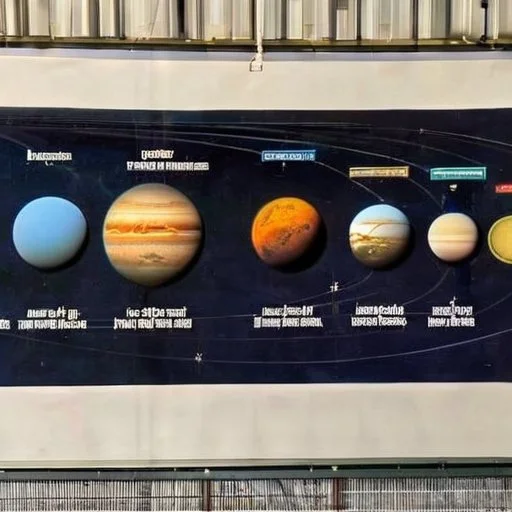
The Gregorian calendar's impact on international trade and commerce was significant. The calendar's accuracy and precision enabled merchants and traders to coordinate their activities with greater ease, facilitating the growth of global trade and commerce.
The calendar's adoption also facilitated the development of modern navigation, allowing sailors and explorers to chart their courses with greater accuracy and precision. This, in turn, led to the discovery of new trade routes and the expansion of global commerce.
Today, the Gregorian calendar remains an essential tool for businesses and organizations around the world, facilitating global communication, trade, and exploration.
Historical Perspectives on the Gregorian Calendar
The Gregorian calendar's introduction marked a significant turning point in the history of timekeeping, reflecting a shift from a medieval to a modern understanding of time and its measurement.
Historians have long debated the calendar's impact on modern society, with some arguing that it marked the beginning of a new era of precision and scientific inquiry, while others have seen it as a symbol of the Catholic Church's continued influence over the Western world.
Regardless, the Gregorian calendar's enduring legacy is a testament to the power of human ingenuity and collaboration, shaping the course of modern history in ways both subtle and profound.