


Deep in the Andean highlands, a centuries-old secret lay hidden, waiting to be unearthed. On July 14, 1902, Peruvian explorer and farmer Agustín Lizárraga stumbled upon the Lost City of the Incas, Machu Picchu, an archaeological treasure that would captivate the world's imagination.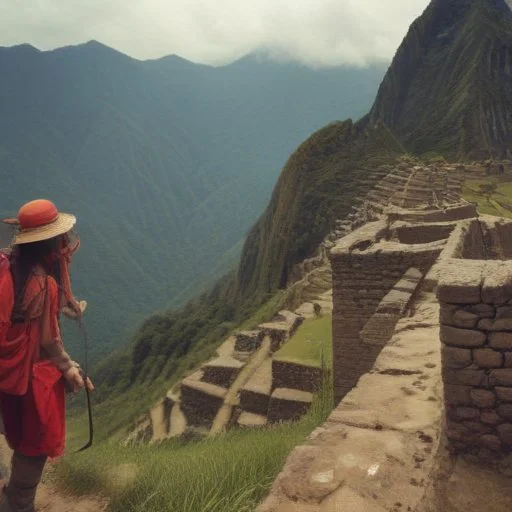
In the 15th century, the Inca Empire, under the reign of Emperor Pachacuti, built a majestic citadel in the Cusco Region of Peru. This sprawling metropolis, known as Machu Picchu, was an engineering marvel, showcasing the Incas' mastery of stone architecture and agriculture. However, with the arrival of Spanish conquistadors in the 16th century, the city was abandoned, and its existence slowly faded into legend.
Lizárraga, a native of the Cusco Region, had heard whispers of an ancient city hidden in the Andes. Driven by curiosity and a thirst for adventure, he set out to find the fabled site. On that fateful day in July, Lizárraga, accompanied by a local farmer, stumbled upon the ruins of Machu Picchu, hidden behind a veil of mist and lush vegetation.
As Lizárraga explored the site, he discovered a treasure trove of Inca artifacts, including intricately carved stone structures, ceremonial plazas, and agricultural terraces. The city's sheer scale and sophistication left him awestruck. News of the discovery spread like wildfire, attracting scholars, archaeologists, and treasure hunters from around the world.
The discovery of Machu Picchu has had a profound impact on Peruvian identity and national pride. The site has become an iconic symbol of the country's rich cultural heritage, inspiring artistic expression, literature, and music.
Lizárraga's discovery was met with skepticism at first, with many doubting the authenticity of the site. However, his perseverance and dedication to the project ultimately earned him recognition as the discoverer of Machu Picchu.
The discovery of Machu Picchu paved the way for further archaeological explorations in the region, uncovering other hidden Inca cities and artifacts. It also sparked a global interest in South American archaeology and cultural heritage.
In conclusion, Agustín Lizárraga's discovery of Machu Picchu, the Lost City of the Incas, is a testament to the power of curiosity and determination. This archaeological treasure has captivated the world's imagination, inspiring a deeper appreciation for South American culture and history.
Lizárraga's life was a testament to his curiosity and love for adventure. Born in the Cusco Region, he grew up listening to whispers of the ancient city, sparking an insatiable desire to uncover its secrets. A farmer by trade, Lizárraga's rugged upbringing prepared him for the challenges he would face in the Andean highlands.
Little is known about Lizárraga's personal life, but his determination and perseverance in the face of skepticism have become the stuff of legend. His discovery of Machu Picchu not only brought him recognition but also cemented his place in Peruvian history.
Fun fact: Lizárraga's discovery was met with initial skepticism, with many questioning the authenticity of the site. However, his meticulous documentation and photographs eventually won over the doubters.
The discovery of Machu Picchu sparked a cultural renaissance in Peru, with the site becoming an iconic symbol of national pride. The city's majestic architecture and rich history inspired a new generation of artists, writers, and musicians.
In the years following the discovery, Peruvian artists began to incorporate elements of Inca heritage into their work, reviving traditional techniques and motifs. This cultural rebirth not only helped to preserve Peru's rich cultural identity but also projected it onto the global stage.
Did you know? The discovery of Machu Picchu inspired a new wave of Peruvian literature, with writers such as José María Arguedas drawing inspiration from the site's mystery and grandeur.The ancient city's remarkable architecture has fascinated scholars and archaeologists for decades. The site's intricate stonework, precision-cut without mortar, has been the subject of much scrutiny and admiration.
One of the most fascinating aspects of Machu Picchu's architecture is its use of astronomical alignments. The city's structures are carefully aligned with celestial bodies, demonstrating the Incas' advanced understanding of astronomy.
Architectural feature: The Temple of the Sun, one of Machu Picchu's most impressive structures, features a series of astronomical windows that align with the summer solstice.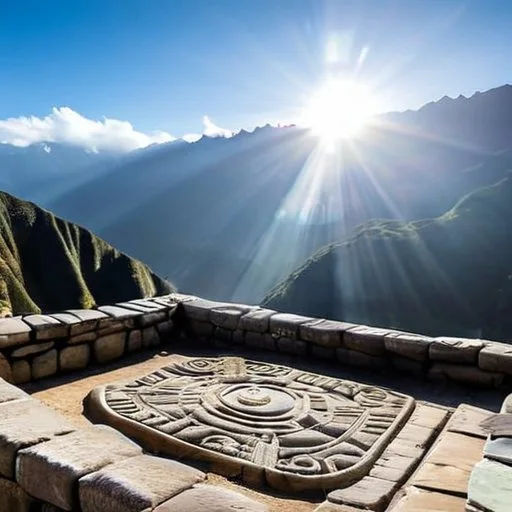
Historiographical perspectives on Machu Picchu's discovery have evolved significantly over the years. Initially, Lizárraga's find was seen as a lone explorer's triumph, but recent scholarship has highlighted the role of indigenous peoples in the site's history.
Current research suggests that the city was not entirely abandoned, as previously thought, but rather maintained by a small group of locals who kept its existence alive through oral tradition.
Revisionist historians argue that Lizárraga's discovery was not a singular event, but rather the culmination of centuries of indigenous knowledge and preservation.The discovery of Machu Picchu brought with it a new set of environmental challenges. As tourists flocked to the site, the fragile ecosystem of the Andean highlands was put at risk.
In response, the Peruvian government and international organizations have implemented measures to mitigate the environmental impact of tourism, including the creation of protected areas and sustainable tourism practices.
Eco-friendly initiatives: The Machu Picchu Sanctuary Lodge, located near the site, has implemented a number of environmentally friendly initiatives, including a wastewater treatment plant and a reforestation program.