


In the heart of Titusville, Pennsylvania, a groundbreaking moment in history unfolded, marking the dawn of the modern oil industry. The successful drilling of the world's first commercially successful oil well in 1859 revolutionized the global energy landscape, transforming the way humanity lived, worked, and traveled.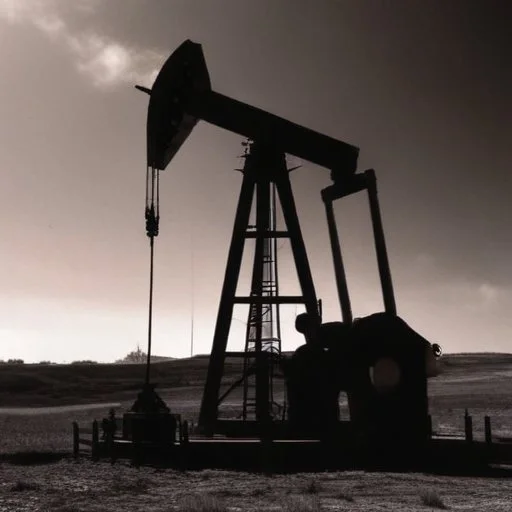
Long before the discovery, whispers of a mysterious black substance seeping from the earth had been circulating among locals and entrepreneurs. The allure of this enigmatic resource drew visionaries, including the likes of Edwin Drake, who were determined to harness its power.
Edwin Drake, a former railroad conductor, and George Bissell, a lawyer, formed an unlikely duo that would change the course of history. Their perseverance and innovative spirit paved the way for the discovery.
As the sun rose over the rolling hills of Titusville, Drake's drilling efforts finally paid off. At a depth of 69.5 feet, the drill struck a gusher, unleashing a torrent of crude oil that would forever alter the trajectory of human progress.
The discovery of oil in Titusville sparked a chain reaction of innovation and growth, transforming industries and societies worldwide.
The discovery of oil also raised concerns about environmental and social impacts, foreshadowing debates that would persist for generations to come.
The discovery of oil in Titusville, Pennsylvania, serves as a testament to human ingenuity and perseverance, illuminating the path to a brighter future while also highlighting the importance of responsible resource management.
As we look back on this pivotal moment, we are reminded of the power of innovation and the importance of balancing progress with environmental stewardship and social responsibility.
In the words of Edwin Drake, "The oil business is a very uncertain one, and one that requires great caution and careful management."
The discovery of oil in Titusville, Pennsylvania, was not an isolated event. It was part of a larger movement of industrialization and technological advancements that were sweeping across the United States during the mid-19th century. The development of the steam engine, the construction of the Transcontinental Railroad, and the growth of urban centers all contributed to an increasing demand for energy.
In this context, the drilling of the first commercial oil well by Edwin Drake was a significant milestone. It marked a shift away from traditional energy sources like coal and wood and towards a new era of fossil fuels. The impact of this shift was felt far beyond Titusville, as oil quickly became a crucial component of the American economy.
One of the most significant consequences of the oil discovery was the transformation of the transportation industry. With the development of automobiles, airplanes, and ships powered by oil, the way people and goods moved around the country was revolutionized. This, in turn, had a profound impact on the growth of cities, the development of suburbs, and the expansion of international trade.

George Bissell: The Visionary Behind the Scenes
While Edwin Drake is often credited with the discovery of oil, it was George Bissell who provided the financial backing and strategic vision that made the venture possible. A successful lawyer and businessman, Bissell saw the potential of oil to transform the energy landscape and was willing to take risks to make it a reality.
Bissell's role in the oil industry went far beyond just providing funding, however. He was a key player in the development of the Seneca Oil Company and worked tirelessly to promote the use of oil as a fuel source. His innovative thinking and perseverance helped to overcome the many challenges that faced the early oil industry.
Oil quickly became an integral part of American culture, shaping the way people lived, worked, and interacted with one another. The rise of automobiles, for example, led to the development of a new kind of social landscape, with roads, highways, and suburbs proliferating across the country.
The oil industry also had a profound impact on the arts, with writers, artists, and musicians responding to the changing American landscape. From the novels of John Steinbeck to the music of Chuck Berry, oil and the automobile culture it enabled became a central theme of American popular culture.

The discovery of oil in Titusville had a profound impact on the American economy. The oil industry quickly became a major driver of growth, creating new jobs, stimulating innovation, and generating vast profits for investors.
In the decades that followed, the oil industry continued to play a crucial role in the American economy, shaping the course of industrial development, influencing government policy, and fueling international trade. Today, the oil industry remains one of the largest and most influential sectors of the American economy.
The discovery of oil in Titusville marked a significant turning point in the development of energy technology. The drilling of the first commercial oil well was a pioneering achievement that paved the way for a new era of oil exploration and extraction.
The innovations that followed were rapid and far-reaching, with the development of new drilling techniques, pipelines, and refineries transforming the oil industry into a highly efficient and globally integrated system. Today, the oil industry is at the forefront of technological innovation, driving advances in areas like renewable energy, carbon capture, and energy storage.