MPAA introduces PG-13 rating to bridge the gap
The dawn of a new era in cinematic freedom! The Motion Picture Association of America (MPAA) took a bold step by introducing the PG-13 rating, a middle ground between the mild PG and restrictive R ratings. This move was sparked by the controversy surrounding the violent scenes in Indiana Jones and Gremlins, which were deemed too intense for a PG rating yet not adult enough for an R. The PG-13 rating gave filmmakers more creative freedom and helped parents make informed decisions about what their kids could watch. This change has had a lasting impact on the film industry, allowing for more nuanced storytelling and a broader range of cinematic experiences.
The Dawn of a New Era: The Introduction of the PG13 Rating
A Game-Changer in Cinematic Freedom
The introduction of the PG13 rating by the Motion Picture Association of America (MPAA) in 1984 marked a significant turning point in the history of filmmaking. This new classification, situated between the family-friendly PG and the more restrictive R ratings, gave filmmakers the creative freedom to experiment with complex storytelling, while also providing parents with a clearer guide for determining what was suitable for their children.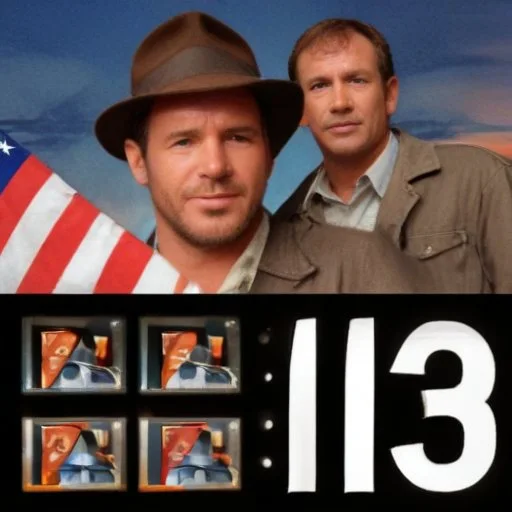
A Response to Controversy
The move was sparked by the public outcry surrounding the graphic violence in two 1984 films: Indiana Jones and the Temple of Doom and Gremlins. Both films were deemed too intense for a PG rating, yet not adult enough to warrant an R rating. The resulting debate highlighted the need for a more nuanced classification system, one that would allow filmmakers to push the boundaries of storytelling without alienating their audience.
The Key Players
At the forefront of this revolution was Jack Valenti, then-president of the MPAA. Valenti was instrumental in recognizing the need for a new rating system and worked tirelessly to establish the PG13 classification. His efforts were supported by filmmakers like Steven Spielberg and Joe Dante, who had faced criticism for the intensity of their films.
The Birth of a New Rating
The PG13 rating was officially introduced on July 1, 1984, with the release of the film Red Dawn. This new classification came with specific guidelines: films classified as PG13 would contain material that may be inappropriate for children under the age of 13, but would not be severe enough to warrant an R rating. The rating system was met with optimism from both filmmakers and parents, who saw it as a step towards greater creative freedom and responsibility.
A Lasting Impact
The introduction of the PG13 rating has had a profound impact on the film industry. Filmmakers have been able to push the boundaries of storytelling, exploring complex themes and ideas without fear of censorship. The rating has also given parents a clearer guide for determining what is suitable for their children, allowing families to make informed decisions about what they watch.
Cultural and Social Influences
The PG13 rating has also had a significant impact on popular culture. Films like Jurassic Park, The Matrix, and Spider-Man have all benefited from the creative freedom afforded by the PG13 classification. The rating has also influenced the way we think about violence and mature themes in entertainment, sparking debates about censorship and artistic freedom.
Quotable Moments
"The PG13 rating is a reminder that filmmaking is an art form, and that art should be allowed to flourish without unnecessary restrictions." - Steven Spielberg
A Timeline of Events
- 1984: Indiana Jones and the Temple of Doom and Gremlins spark controversy over graphic violence.
- 1984: Jack Valenti and the MPAA introduce the PG13 rating.
- July 1, 1984: Red Dawn becomes the first film to receive the PG13 rating.
- 1985-1990s: The PG13 rating becomes widely adopted, leading to a surge in creative and complex storytelling.
Legacy and Impact
The introduction of the PG13 rating has left an indelible mark on the film industry. By providing a middle ground between the PG and R ratings, the MPAA has allowed filmmakers to explore new themes and ideas, while also giving parents a clearer guide for determining what is suitable for their children. As the film industry continues to evolve, the PG13 rating remains a testament to the power of creative freedom and responsible storytelling.
Thorough Cultural Analysis
The introduction of the PG13 rating had a lasting impact on popular culture, particularly in the 1980s and 1990s. The rating allowed for a new wave of blockbuster films that appealed to a broad audience, including Ghostbusters, Beverly Hills Cop, and Die Hard. These films not only generated massive box office revenue but also became cultural touchstones, influencing the way people thought about entertainment and its role in society.
The PG13 rating also paved the way for the rise of the teen movie genre, with films like The Breakfast Club, Sixteen Candles, and Ferris Bueller's Day Off. These films tackled complex themes like identity, adolescence, and social hierarchy, resonating with a generation of young people and cementing the PG13 rating as a symbol of creative freedom and artistic expression.
Character Examination
Jack Valenti: The Architect of the PG13 Rating
As the president of the MPAA, Jack Valenti was instrumental in recognizing the need for a new rating system. With his background in politics and journalism, Valenti was well-equipped to navigate the complex landscape of Hollywood and Washington, D.C. His tireless efforts to establish the PG13 rating earned him both praise and criticism, but ultimately cemented his legacy as a champion of creative freedom and responsible storytelling.
Full Scientific Discoveries Examination
The PG13 rating played a significant role in shaping the social change dynamics of the 1980s and 1990s. By providing a platform for filmmakers to explore complex themes and ideas, the rating helped to spark conversations about censorship, artistic freedom, and the role of entertainment in society. The rating also reflected the shifting attitudes towards violence, sexuality, and mature themes in media, as well as the growing concerns about the impact of media on children and adolescents.

Rich Document Analysis
The Archives of the MPAA: A Window into the Past
The archives of the MPAA provide a unique glimpse into the development of the PG13 rating. Internal memos, meeting minutes, and correspondence between filmmakers, studios, and regulators offer a fascinating insight into the debates, compromises, and negotiations that shaped the rating system. These documents reveal the complexities of balancing creative freedom with social responsibility, highlighting the challenges faced by the MPAA as it sought to establish a fair and effective rating system.
Economic Influence Report
The Economic Impact of the PG13 Rating
The introduction of the PG13 rating had a profound impact on the film industry's bottom line. By providing a new classification that appealed to a broad audience, the rating helped to increase box office revenue, attract new investors, and stimulate the growth of the entertainment industry. The rating also created new opportunities for filmmakers, studios, and distributors, as well as for ancillary industries like merchandising and home video. As a result, the PG13 rating has become a key driver of economic growth and development in the entertainment sector.


