


On February 24, 2006, Philippine President Gloria Macapagal Arroyo sent shockwaves throughout the nation when she declared Proclamation 1017, effectively placing the country under a state of emergency. This drastic measure was allegedly in response to rumors of an impending military coup, which Arroyo claimed to have foiled.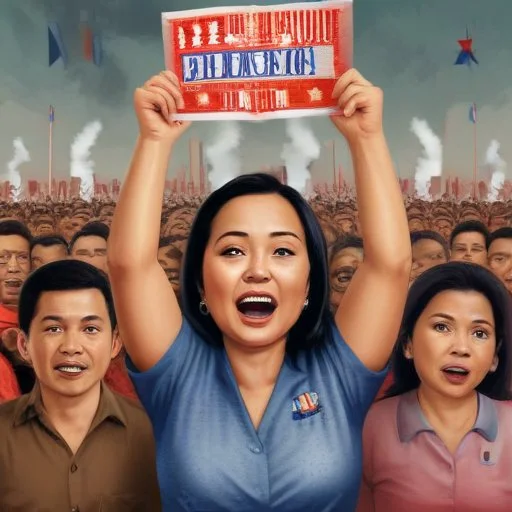
The days leading up to the declaration were marked by whispers of a potential military uprising. The supposed plot, masterminded by a group of high-ranking military officials, aimed to overthrow the government and seize power. Arroyo's administration claimed to have intercepted communications between the plotters, prompting the President to take drastic action to protect the nation.
In the aftermath of the declaration, the government imposed strict media censorship, restricting the dissemination of information deemed potentially subversive. Rallies and public gatherings were banned, and suspected plotters were rounded up and detained without warrant. The move sparked widespread criticism, with many questioning the validity of the alleged coup plot and accusing Arroyo of using the emergency powers to consolidate her grip on power.
The declaration of Proclamation 1017 has been widely criticized as a power grab by the Arroyo administration. The move sparked widespread protests and accusations of human rights abuses. The incident has left an indelible mark on Philippine politics, serving as a cautionary tale about the dangers of unchecked executive power.
The incident raises important questions about the role of the executive in times of crisis. Was the coup plot a real and imminent threat, or was it a clever ruse to consolidate power? The truth may never be fully known, but one thing is certain – the declaration of Proclamation 1017 will forever be remembered as a pivotal moment in Philippine history.
In the years since the declaration, the Philippines has continued to grapple with issues of power, corruption, and accountability. The incident serves as a stark reminder of the importance of checks and balances in government, and the need for transparency and accountability in times of crisis.
Gloria Macapagal Arroyo's presidency was marked by controversy, but her early life and career hinted at a promising leader. Born on April 5, 1947, Arroyo was the daughter of Diosdado Macapagal, a former Philippine president. She earned a degree in economics from Georgetown University and later taught economics at Ateneo de Manila University. Her entry into politics was facilitated by her husband, Jose Miguel Arroyo, who was a congressman. Arroyo's rise to power was rapid, serving as senator, vice president, and eventually president. Despite her impressive credentials, her presidency was marred by allegations of corruption and abuse of power.
Arroyo's leadership style was often described as autocratic and manipulative. She was known for her ability to consolidate power and maintain a strong grip on government institutions. Her declaration of Proclamation 1017 was seen by many as a culmination of her authoritarian tendencies.

The proclamation document itself is a fascinating artifact, offering a glimpse into the mindset of the Arroyo administration during the crisis. The document is heavily redacted, with entire pages blacked out, adding to the sense of secrecy and paranoia surrounding the event.
One of the most striking features of the document is the severity of the language used. The proclamation speaks of "plots" and "conspiracies" in ominous tones, conjuring images of a nation on the brink of chaos. The document's tone is unmistakably authoritarian, with the government claiming sweeping powers to suppress dissent and maintain order.
The economic impact of Proclamation 1017 was significant, with the declaration of a state of emergency leading to a decline in investor confidence and a decrease in tourism revenue. The Philippine peso took a hit, plummeting to a seven-month low against the US dollar.
The emergency declaration also led to a crackdown on labor protests, which had been gaining momentum in the months leading up to the crisis. The government's move was seen as a bid to quash dissent and maintain control over the labor sector, leading to increased tensions between the government and labor unions.

The declaration of Proclamation 1017 was widely seen as a power grab by the Arroyo administration, with critics arguing that the president was using the crisis to consolidate her grip on power. The move was viewed as a threat to democratic institutions and the rule of law, with many accusing the government of overstepping its authority.
The incident highlighted the fragility of Philippine democracy, with the government's response to the crisis raising concerns about the independence of the judiciary, the freedom of the press, and the protection of human rights.
Historians have grappled with the implications of Proclamation 1017, debating the extent to which the crisis was fabricated to justify the government's draconian response. Some have argued that the crisis was genuine, citing evidence of a real plot to overthrow the government.
Others have seen the crisis as a cynical ploy to distract from corruption scandals and consolidate power. Regardless, the incident has become a cautionary tale about the dangers of unchecked executive power and the importance of democratic accountability.