Pierre Trudeau steps down as Canadian Prime Minister
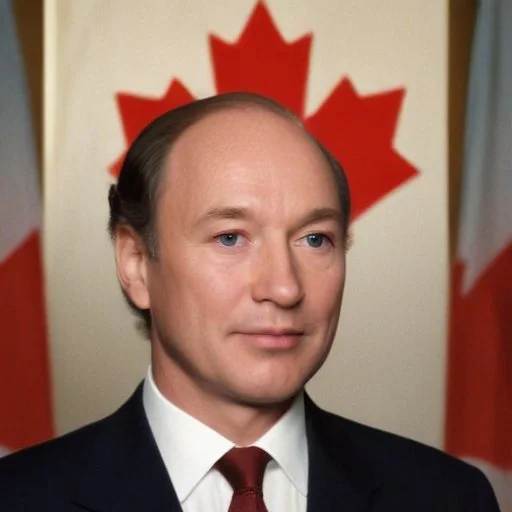
With a nod to his storied legacy, Pierre Trudeau, the charismatic and visionary leader of the Liberal Party, stunned the nation by announcing his retirement as both Prime Minister of Canada and party leader. After fifteen years at the helm, Trudeau's commanding presence and unwavering dedication to Canadian unity and bilingualism will forever be etched in the country's history. His resignation paved the way for a new era in Canadian politics, leaving behind a profound legacy that continues to inspire and influence generations to come.
Pierre Trudeau's Farewell: A Legacy of Unity and Vision
A Nation in Shock: Trudeau Steps Down
On February 29, 1980, Canadians woke up to the shocking news that
Pierre Trudeau, the charismatic and visionary leader of the Liberal Party, was retiring as both Prime Minister of Canada and party leader. After fifteen years at the helm, Trudeau's sudden departure left a power vacuum that would change the course of Canadian politics forever.
Trudeau's Enduring Legacy
As the longest-serving Prime Minister of the 20th century, Trudeau's commitment to Canadian unity and bilingualism has left an indelible mark on the nation. His dedication to forging a unified Canada, where French and English speaking citizens could coexist peacefully, earned him both admiration and criticism. Through his leadership, Trudeau navigated Canada through tumultuous times, including the 1970 October Crisis and the repatriation of the Canadian Constitution.
Timeline of Events
- 1968: Trudeau becomes Prime Minister of Canada, marking the beginning of a new era in Canadian politics.
- 1970: Trudeau faces the October Crisis, a separatist uprising in Quebec, and invokes the War Measures Act to quell the unrest.
- 1980: Trudeau announces his retirement as Prime Minister and Liberal Party leader.
- 1982: The Canadian Charter of Rights and Freedoms is entrenched in the Constitution, a testament to Trudeau's commitment to individual freedom and human rights.
Key Figures Involved
Aside from Trudeau himself, several key figures played a crucial role in shaping his legacy:
- Jean Chrétien: Trudeau's trusted advisor and eventual successor as Prime Minister.
- René Lévesque: The leader of the Parti Québécois, who opposed Trudeau's vision of a unified Canada.
- Queen Elizabeth II: Trudeau's relationship with the monarch was instrumental in the repatriation of the Canadian Constitution.
Major Outcomes and Impacts
Trudeau's resignation marked the beginning of a new era in Canadian politics, with far-reaching consequences:
- The rise of Jean Chrétien as the new Liberal Party leader and Prime Minister.
- The shift towards a more decentralized federal system, with increased autonomy for provinces.
- The continued debate over Quebec's place within Canada, with Trudeau's legacy influencing future separatist movements.
Cultural and Social Influences
Trudeau's charismatic personality, stylish clothing, and exotic vacations sparked a cultural phenomenon, earning him the nickname "Trudeaumania." His commitment to bilingualism and multiculturalism has had a lasting impact on Canadian identity:
- The preservation of French as an official language, ensuring the cultural heritage of Quebec remains vibrant.
- The promotion of multiculturalism, recognizing the diversity of Canadian society.
- The continued celebration of Canadian diversity through festivals and cultural events.
Controversies and Public Perception
Love him or hate him, Trudeau's polarizing persona has been the subject of heated debate:
- Critics accused Trudeau of being arrogant and dictatorial, citing his invocation of the War Measures Act.
- Supporters praised his visionary leadership, emphasizing his commitment to Canadian unity and human rights.
- Trudeau's personal life, including his marriage to Margaret Sinclair and his relationships, remained a subject of public fascination.
Quotes and Memorable Sayings
Trudeau's wit and charisma are reflected in his most famous quotes:
- "Reason, passion, and compassion – that's the Holy Trinity of human values."
- "Canada is a country whose citizens are united by the bond of a shared history, a shared identity, and a shared destiny."
A Lasting Legacy
As Trudeau bid farewell to the nation, he left behind a profound legacy that continues to inspire and influence generations to come. His unwavering dedication to Canadian unity and bilingualism has cemented his place as one of Canada's most iconic leaders. As the nation looks to the future, it is clear that Pierre Trudeau's farewell will be remembered as a pivotal moment in Canadian history.
Rich Character Description
Pierre Trudeau's Inner Circle: The Influential Figures Behind the Leader
While Trudeau's charismatic personality and vision for Canada often took center stage, a few key individuals played a crucial role in shaping his legacy:
Jean Marchand, a close friend and confidant, was instrumental in Trudeau's rise to power. Marchand's influence helped Trudeau navigate the complexities of Quebec politics and build a strong relationship with the province.
Michel Dupuy, Trudeau's long-time advisor, was known for his sharp intellect and strategic thinking. Dupuy played a key role in crafting Trudeau's policies and was a trusted member of his inner circle.
Marc Lalonde, a talented politician and strategist, helped Trudeau navigate the choppy waters of federal-provincial relations. Lalonde's expertise was instrumental in shaping Trudeau's approach to decentralization and provincial autonomy.
Cultural Influence Analysis
The Cultural Renaissance of the Trudeau Era
The 1960s and 1970s, under Trudeau's leadership, witnessed a cultural renaissance in Canada. This period saw a surge in artistic expression, withCanadian literature, music, and art gaining international recognition:
The emergence of Canadian rock music, led by bands like The Guess Who and Rush, put Canada on the global music map.
The proliferation of Canadian literature, with authors like Margaret Atwood and Robertson Davies, showcased the nation's rich literary talent.
The development of Canadian art, led by artists like Group of Seven and the Automatistes, further solidified Canada's cultural identity.
Analysis of Ideological Impact
Trudeau's Philosophical Underpinnings: The Ideological Foundations of his Leadership
Trudeau's leadership was deeply rooted in his philosophical beliefs, which shaped his vision for Canada:
Federalism, the concept of a strong central government, was a cornerstone of Trudeau's approach to Canadian unity.
Liberalism, with its emphasis on individual freedom and human rights, informed Trudeau's policies on issues like bilingualism and multiculturalism.
Secularism, the separation of church and state, was a key principle guiding Trudeau's approach to governance.

Study of Geopolitical Factors
The Geopolitical Landscape of Trudeau's Canada
Trudeau's leadership coincided with a tumultuous period in global politics, marked by:
The Cold War, which created an atmosphere of tension and distrust between the East and West.
The Vietnam War, which sparked widespread protests and anti-American sentiment in Canada.
The rise of Western Europe, which posed a challenge to Canada's economic and cultural ties with Britain.
Study of Historical Interpretations
Historians' Perspectives on Trudeau's Legacy
Historians have offered varying interpretations of Trudeau's legacy, reflecting different perspectives on his role in shaping Canada's history:
Some view Trudeau as a unifying force, who forged a new national identity and promoted Canadian unity.
Others see him as a divisive figure, whose policies exacerbated regional tensions and created new fault lines in Canadian politics.
Many regard him as a visionary leader, who navigated Canada through turbulent times and left an indelible mark on the nation's history.


