


The Pilgrims' historic journey on the Mayflower, which set sail from Plymouth, England on September 16, 1620 (Old Style date), is renowned for being the first successful English settlement in what is now the United States. This perilous 66-day voyage marks the beginning of European colonization in North America, paving the way for the country's future growth and prosperity.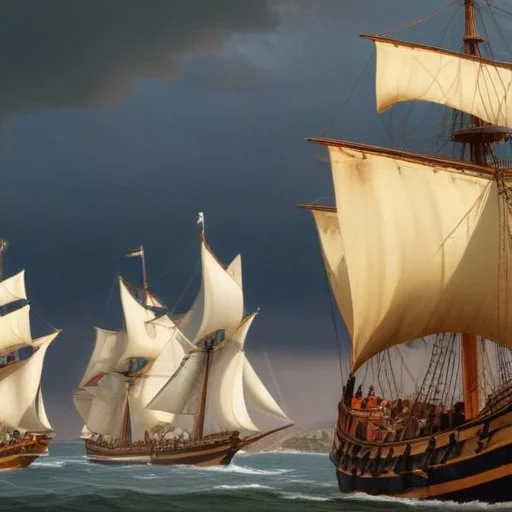
In the early 17th century, the English Separatist Church, also known as the Pilgrims, faced persecution and marginalization in England. Seeking religious freedom and a chance to practice their faith without interference, they made the bold decision to leave their homeland behind and establish a new community in the New World.
William Bradford, a devout Pilgrim and future governor of the Plymouth Colony, played a crucial role in organizing and leading the expedition. His determination and leadership skills proved invaluable during the grueling journey and subsequent settlement. Myles Standish, a skilled military officer, was hired to provide protection and security for the Pilgrims during their voyage and in the early days of the colony.
The Pilgrims' successful settlement in Plymouth had far-reaching consequences, including:
The Pilgrims' story has become an integral part of American folklore, symbolizing courage, perseverance, and the pursuit of freedom. Their legacy continues to inspire generations, with the annual celebration of Thanksgiving honoring their journey and the friendly relations they established with the Wampanoag tribe.
William Bradford's journal, Of Plymouth Plantation, provides a firsthand account of the Pilgrims' experiences, offering insights into the daily struggles and triumphs of life on the Mayflower and in the early days of the colony.
The success of the Plymouth Colony sparked a wave of interest in American colonization, encouraging other English settlers to venture across the Atlantic. This paved the way for the establishment of future colonies, including the Massachusetts Bay Colony, and eventually, the formation of the United States of America.
The Pilgrims' courage and determination in the face of adversity serve as a powerful reminder of the human spirit's capacity for resilience, perseverance, and innovation. Their story continues to inspire people around the world, encouraging others to pursue their dreams and strive for a better future.
The Mayflower's voyage was plagued by issues from the start. The ship was overcrowded, with 102 passengers, including men, women, and children, squeezed into a vessel designed for 90. This led to cramped conditions, scarcity of provisions, and a high risk of disease.
The Pilgrims also faced navigational challenges, as the ship sailed off course, and the crew's inexperience in navigating the Atlantic Ocean caused delays. Additionally, the Mayflower's timbers were not adequately caulked, which allowed seawater to seep into the ship, further threatening the passengers' safety.
Despite these obstacles, the Pilgrims persevered, relying on their faith and determination to push through the difficulties.
Myles Standish, a skilled military officer, played a crucial role in the Pilgrims' journey and early settlement. Born in 1584, Standish was a seasoned soldier who had fought in the Netherlands before joining the Pilgrims.
Standish's appointment as the Pilgrims' military leader was instrumental in protecting them from potential threats during the voyage and in the New World. His guidance and tactical expertise proved invaluable in navigating the dangers of the wilderness.
Despite his tough exterior, Standish developed strong bonds with the Pilgrims, particularly William Bradford, and remained a loyal and dedicated member of the community throughout his life.
The Wampanoag tribe, led by Chief Massasoit, played a significant role in the Pilgrims' survival in the early days of the Plymouth Colony. The Wampanoag had previously encountered European explorers and were wary of the newcomers.
However, Squanto, a Wampanoag who had learned English during his captivity, facilitated communication between the Pilgrims and the Wampanoag, paving the way for a peace treaty and resource sharing.
The Wampanoag's contributions to the Pilgrims' survival, including teaching them agricultural practices and providing food, highlight the complex and multifaceted nature of Native American-European interactions.
The Mayflower's voyage took place during a period of intense European exploration and colonization. The Spanish, Portuguese, and French had already established colonies in the New World, and the English were eager to stake their claim.
The Pilgrims' journey was, in part, a response to the English monarchy's desire to expand its territories and create new trade opportunities. The Mayflower Compact, signed during the voyage, established a framework for governance in the new colony, setting a precedent for future English settlements.
The Pilgrims' success sparked a wave of interest in American colonization, encouraging other English settlers to venture across the Atlantic and paving the way for the formation of the United States.
The Mayflower Compact, signed on November 11, 1620, is a significant document in American history, establishing a framework for governance in the Plymouth Colony.
Written by William Bradford and other leaders, the compact outlined the colonists' rights and responsibilities, ensuring a degree of self-governance and social order in the new settlement.
The original document, though lost, has been preserved through copies and transcripts, providing a unique window into the Pilgrims' vision for their new community and the foundations of American democracy.