


The Polish Air Force Tu154M crash near Smolensk, Russia on April 10, 2010, is a devastating event that will be etched in the minds of the Polish people forever. In a catastrophic turn of events, the plane, carrying 96 people, including Polish President Lech Kaczyski, his wife, and numerous high-ranking officials and dignitaries, crashed in a fog-shrouded forest, claiming the lives of everyone on board.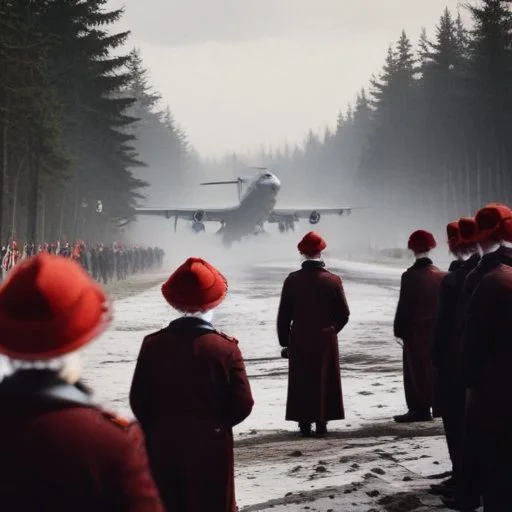
The ill-fated flight was on a mission to commemorate the 70th anniversary of the Katyn massacre, a brutal slaughter of Polish officers by Soviet forces during World War II. The delegation was set to attend a ceremony at the Katyn War Cemetery, a poignant reminder of the atrocities committed during the war.
As the Tu154M plane approached Smolensk's fog-shrouded airport, the crew received multiple warnings to divert due to severe weather conditions. Despite these warnings, the crew pressed on, ultimately leading to the tragic crash.
The devastating accident sent shockwaves throughout Poland, plunging the nation into mourning and prompting an outpouring of international tributes. The tragedy was met with an unprecedented display of national grief, as Poles from all walks of life came together to mourn the loss of their beloved leaders.
In the aftermath of the tragedy, Poland declared a week of national mourning, with flags flying at half-mast and a memorial service held in Warsaw's Piłsudski Square. An investigation into the crash was launched, with both Polish and Russian officials working together to determine the cause of the disaster. The investigation revealed a combination of pilot error and inadequate safety measures contributed to the crash.
The Smolensk air disaster will forever be remembered as a dark day in Polish history. The tragedy not only claimed the lives of 96 people but also had a profound impact on the country's political and social landscape. It led to a renewed focus on air safety and the modernization of Poland's air force, as well as a deeper reflection on the nation's history and its relationships with its European neighbors.
The Smolensk air disaster has been subject to various historiographical perspectives, with some historians viewing it as a turning point in Poland's post-communist era. The tragedy sparked a national conversation about Polish identity and its relationships with Russia, leading to a reevaluation of the country's historical narrative.
Others have framed the event as a symbol of Poland's struggle for independence and self-determination, with the crash serving as a poignant reminder of the country's tragic past.
Historians have also analyzed the disaster through the lens of political and social change, highlighting its impact on the country's political landscape and its implications for future generations.

Aleksander Szczyglo, the Polish Minister of Defense, was a key figure involved in the Smolensk air disaster. A seasoned politician and military strategist, Szczyglo had served in various government positions before his appointment as Minister of Defense in 2007.
Known for his dedication to modernizing Poland's military, Szczyglo was a strong advocate for NATO membership and played a crucial role in shaping the country's defense policy.
Hailed as a hero and a patriot, Szczyglo's tragic death in the crash sent shockwaves throughout the Polish military and government.
The Smolensk air disaster took place against the backdrop of a complex geopolitical context, with tensions between Poland and Russia simmering in the years leading up to the crash.
In the aftermath of the tragedy, Russia's response was closely scrutinized, with some critics accusing Moscow of being slow to respond to the disaster and provide adequate assistance.
The incident highlighted the need for improved diplomatic relations between Poland and Russia, with both countries ultimately working together to investigate the crash and provide aid to the victims' families.

The Smolensk air disaster had a profound impact on Polish culture, sparking a wave of national mourning and introspection.
In the weeks and months following the tragedy, artists, writers, and musicians responded to the disaster with a flurry of creative works, from somber elegies to poignant tributes.
The crash also led to a renewed focus on Poland's rich cultural heritage, with many Poles seeking solace in their national traditions and history.
The Smolensk air disaster had significant political implications, with President Lech Kaczyski's death leading to a power vacuum in the Polish government.
The tragedy sparked a debate about the role of the president in Polish politics, with some calling for reforms to the country's political system.
In the aftermath of the crash, Polish politicians from across the political spectrum came together to mourn the loss of their colleagues and pay tribute to the victims.