


The Ponce Massacre is infamous for being one of the darkest days in Puerto Rican history, where 19 unarmed civilians, including women and children, were brutally gunned down by police in a terrorist attack orchestrated by US-appointed Governor Blanton Winship. This horrific event, which took place on March 21, 1937, was a stark reminder of the ongoing struggle for independence and human rights in Puerto Rico.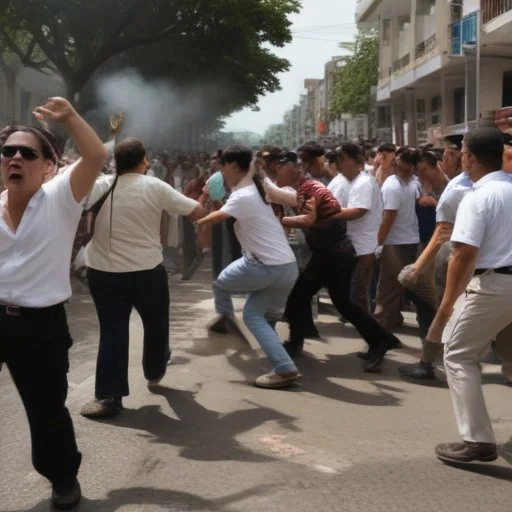
The 1930s were a tumultuous time in Puerto Rico, with tensions simmering between the island's nationalist movement and the US-backed government. The Puerto Rican Nationalist Party, led by Pedro Albizu Campos, was advocating for independence from the United States, which had occupied the island since the Spanish-American War. Meanwhile, Governor Winship was determined to quash the nationalist movement and maintain US control over the island.
In the months leading up to the massacre, tensions between the government and the nationalist movement had been escalating. On March 6, 1937, the Nationalist Party had planned a march in Ponce to celebrate the anniversary of the abolition of slavery in Puerto Rico. However, Governor Winship had declared the march illegal, and police were instructed to use force to disperse the crowds.
On March 21, 1937, a group of unarmed civilians, including women and children, gathered in Ponce's main square to protest the government's actions. As they marched peacefully, police opened fire on the crowd, killing 19 people and injuring over 100 others. The event was a brutal display of authoritarian power, and it sent shockwaves throughout the island.
The Ponce Massacre was a turning point in Puerto Rico's struggle for independence and human rights. The event sparked widespread outrage and condemnation, both on the island and in the United States. The massacre also led to increased calls for independence and self-determination, with many Puerto Ricans demanding an end to US occupation.
The Ponce Massacre has had a lasting impact on Puerto Rican culture and society. The event is commemorated each year on March 21, with marches and protests demanding justice and human rights. The massacre has also inspired numerous works of art, literature, and music, including a famous poem by Julia de Burgos, "Ponce de marzo" (March 21).
The Ponce Massacre serves as a reminder of the importance of protecting human rights and fighting against authoritarianism. The event has inspired generations of Puerto Ricans to continue fighting for independence and self-determination, and it remains an important symbol of resistance against oppression.
In the words of Pedro Albizu Campos, "The blood of our martyrs will not be in vain. We will continue to fight for our freedom and our rights, until the last drop of our blood is spilled."
The Ponce Massacre is often compared to other violent suppressions of dissent in Puerto Rico's history, such as the Río Piedras massacre in 1935. However, what sets the Ponce Massacre apart is the targeted nature of the attack, which was specifically designed to crush the nationalist movement. In contrast, the Río Piedras massacre was more of a spontaneous outburst of violence. This distinction is significant, as it highlights the calculated nature of the government's response to the nationalist movement.
In terms of international context, the Ponce Massacre can be seen as part of a broader pattern of state-sponsored violence against civilian populations during the 1930s. Events such as the Bonus Army March in the United States and the Saint-Cloud massacre in Morocco demonstrate that the Ponce Massacre was not an isolated incident, but rather part of a global trend of repression.
Ruth Mary Reynolds, the American teacher who witnessed the massacre, played a crucial role in bringing international attention to the event. Her testimony was instrumental in exposing the brutality of the government's actions and sparked widespread outrage. Reynolds' bravery in the face of oppression serves as a powerful example of the impact that individuals can have in promoting social justice.
Despite her significant contribution to the cause of Puerto Rican independence, Reynolds remains a relatively unknown figure. This oversight is a testament to the often-invisible nature of women's contributions to historical events. By shedding light on Reynolds' story, we can gain a more nuanced understanding of the complex networks of individuals and organizations that drove the nationalist movement.
The Ponce Massacre took place against the backdrop of a complex and tumultuous geopolitical landscape. The Spanish Civil War was raging in Europe, and the Rise of fascist and nationalist movements threatened global stability. In this context, the US government's response to the nationalist movement in Puerto Rico was motivated by a desire to maintain stability and prevent the spread of communist influence in the region.
The massacre was also influenced by the Good Neighbor Policy, which was designed to improve relations between the US and Latin American countries. However, the event ultimately undermined this policy, as it exposed the hypocrisy of the US government's claims to support democracy and self-determination.
The Ponce Massacre has had a profound impact on Puerto Rican culture, inspiring numerous works of art, literature, and music. The famous poem "Ponce de marzo" by Julia de Burgos is a powerful example of how the event has been commemorated and remembered. The poem captures the sense of outrage and grief that followed the massacre, and its themes of resistance and defiance continue to resonate with Puerto Ricans today.
The massacre has also been commemorated through various forms of public art, including monuments and murals. These artistic expressions serve as a powerful reminder of the event's significance and ensure that its memory is kept alive for future generations.
The Ponce Massacre was a pivotal moment in the struggle for Puerto Rican independence, marking a turning point in the relationship between the US government and the nationalist movement. The event exposed the brutality of the government's response to dissent and galvanized support for the independence movement.
In the aftermath of the massacre, the Puerto Rican Nationalist Party began to shift its strategy, adopting more radical tactics in response to the government's violence. This shift was marked by a growing emphasis on armed struggle and a greater willingness to challenge the authority of the US government.