


On a fateful day in 1976, Portugal took a monumental step in its relationship with the picturesque archipelago of Madeira, granting it autonomy and forever changing the trajectory of their shared history. This landmark decision marked a significant milestone, allowing Madeira to self-govern in key areas, including finance, education, and tourism, and taking its first steps towards a brighter, more independent future.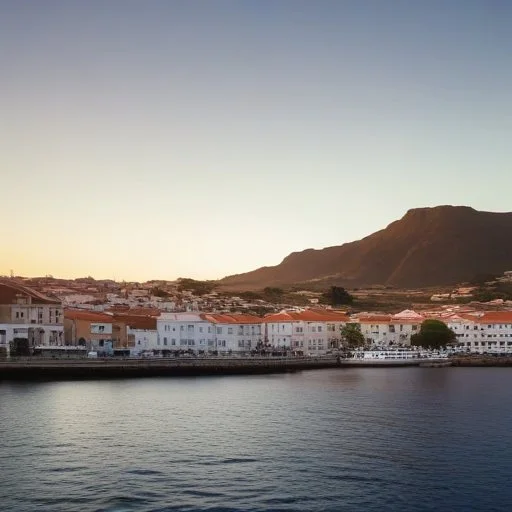
The seeds of autonomy were sown in the early 20th century, when Madeira began to voice its desire for greater control over its own affairs. This sentiment gained momentum in the post-World War II era, as Portugal struggled to maintain its colonial empire. The Carnation Revolution of 1974, which brought an end to Portugal's authoritarian regime, created a ripe atmosphere for change.
The Portuguese government, led by Prime Minister Mário Soares, recognized the need for reform and decentralization. After months of negotiations, the Portuguese Parliament approved the Autonomous Region of Madeira, granting the archipelago a significant degree of autonomy. This historic decision was sealed on May 4, 1976, when the Regional Autonomy Act was signed into law.
With autonomy came a range of new responsibilities and opportunities for Madeira. The regional government was empowered to manage its own finances, education system, and tourism industry, allowing for greater control over its economic development and cultural identity. This newfound autonomy sparked a sense of pride and empowerment among the Madeiran people, who finally had a greater say in shaping their own destiny.
Portugal's granting of autonomy to Madeira serves as a beacon of inspiration for regions seeking greater self-governance around the world. This bold move not only strengthened the bond between Portugal and Madeira but also paved the way for a more decentralized, democratic, and prosperous Europe.
As we reflect on this pivotal moment in history, we are reminded of the power of cooperation, mutual respect, and the human spirit's capacity to strive for greatness. The autonomy of Madeira is a testament to the enduring benefits of freedom, self-determination, and the unwavering pursuit of a brighter future.
Mário Soares, the Prime Minister of Portugal at the time, played a crucial role in granting autonomy to Madeira. A staunch advocate for decentralization and democratization, Soares recognized the need for reform and was instrumental in negotiating the terms of the Autonomous Region of Madeira.
Soares' commitment to autonomy was rooted in his belief that regions should have the power to self-govern and make decisions that benefit their own people. His leadership and vision paved the way for a new era of cooperation between Portugal and Madeira.

The autonomy of Madeira had a profound impact on the region's economy. With the ability to manage its own finances, Madeira was able to invest in key sectors such as tourism, agriculture, and fishing, leading to rapid economic growth and development.
The regional government's efforts to promote economic diversification led to a significant decrease in unemployment rates and an increase in foreign investment. Madeira's economy was transformed, and the region became a thriving hub of economic activity.
The autonomy of Madeira sparked a cultural renaissance in the region. With the ability to self-govern, the Madeiran people were able to preserve and promote their unique cultural heritage.
The regional government invested in cultural institutions, festivals, and events, showcasing the region's rich history and traditions. This cultural revival helped to strengthen the Madeiran identity and sense of community.

The granting of autonomy to Madeira marked a significant shift in Portugal's political landscape. The decision highlighted the government's commitment to decentralization and democratization, paving the way for further reforms and regional autonomy.
The autonomy of Madeira also had implications for European politics, serving as a model for regional self-governance and cooperation.
The autonomy of Madeira marked a turning point in the geopolitical relations between Portugal and its Atlantic territories. The decision signaled a shift towards greater cooperation and self-governance, setting a precedent for other regions seeking greater autonomy.
The granting of autonomy also had implications for Portugal's relations with other European countries, demonstrating its commitment to decentralization and regional cooperation.