


On September 22, 1862, Abraham Lincoln, the 16th President of the United States, issued a preliminary version of the Emancipation Proclamation, declaring that all slaves in states still in rebellion against the Union would be freed, effective January 1, 1863. This historic document marked a significant shift in the war's purpose, from preserving the Union to also fighting for the abolition of slavery.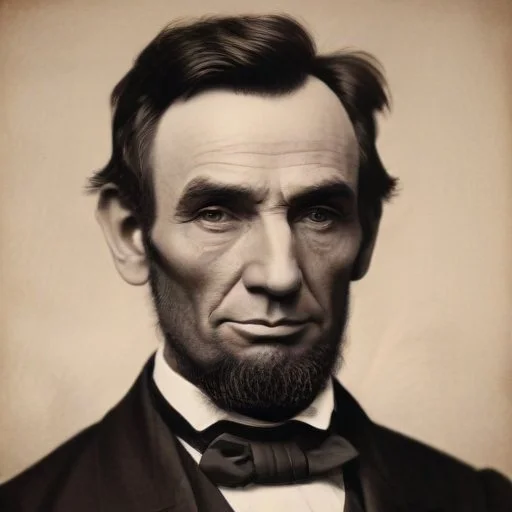
The American Civil War had been raging for over a year, with the Union and Confederacy clashing over the issue of slavery. Lincoln, who had always opposed the expansion of slavery, saw the war as an opportunity to redefine the nation's moral identity. The Emancipation Proclamation was a strategic move to gain support from abolitionists and European powers, while also crippling the Confederacy's economy, which relied heavily on slave labor.
The preliminary Emancipation Proclamation was a carefully crafted document that exempted areas under Union control, such as border states and parts of Louisiana, Tennessee, and Virginia. It also excluded areas that had already been under Union control, such as the Sea Islands of South Carolina. The document was a war measure, intended to weaken the Confederacy and pave the way for a more comprehensive emancipation.
The Emancipation Proclamation had far-reaching consequences, both during and after the Civil War. It:
Shifted the war's purpose, making it a fight for freedom and equality.
Weakened the Confederacy, depriving them of a crucial labor force.
Set a precedent for future civil rights legislation.
Inspired abolitionist movements around the world.
The Emancipation Proclamation had a profound impact on American culture and society. It:
Reinforced the idea that freedom and equality are fundamental American values.
Helped to shift public opinion against slavery and in favor of abolition.
Inspired art, literature, and music that celebrated freedom and the African American experience.
The Emancipation Proclamation was not without controversy. Many Americans, particularly in border states, opposed the measure, fearing it would lead to social and economic chaos. Others, including some abolitionists, felt it did not go far enough in granting immediate freedom to all slaves.
Despite these criticisms, the Emancipation Proclamation remains one of the most significant documents in American history, a testament to Lincoln's commitment to ending the injustice of slavery and paving the way for a more equal society.
Frederick Douglass: The Unwavering Abolitionist
Frederick Douglass, a former slave himself, was a prominent figure in the abolitionist movement. His powerful oratory skills and writings made him a vocal advocate for immediate emancipation. Douglass believed that the Emancipation Proclamation was a step in the right direction but argued that it did not go far enough in granting freedom to all slaves. He continued to fight for the rights of African Americans, becoming a close advisor to President Lincoln.
Douglass's influence on the abolitionist movement was immense. His autobiographies, including Narrative of the Life of Frederick Douglass, exposed the brutal realities of slavery, generating widespread sympathy and outrage. His tireless efforts helped shape public opinion, paving the way for the eventual abolition of slavery.

The Emancipation Proclamation in Literature and Art
The Emancipation Proclamation had a profound impact on American literature and art. The document's message of freedom and equality inspired a new generation of writers, artists, and musicians. Works like Julia Ward Howe's "Battle Hymn of the Republic" and Thomas Nast's illustrations in Harper's Weekly reflected the nation's newfound commitment to ending slavery.
In the decades following the Emancipation Proclamation, African American writers and artists began to emerge, sharing their experiences and perspectives through literature, music, and art. This cultural renaissance played a crucial role in shaping American identity and cementing the Emancipation Proclamation's place in history.
The Economic Impact of the Emancipation Proclamation
The Emancipation Proclamation had significant economic implications for the Confederacy. By freeing millions of slaves, the document deprived the Southern economy of its primary labor force. This disruption caused widespread economic instability, contributing to the eventual collapse of the Confederate economy.
In contrast, the Emancipation Proclamation opened up new economic opportunities for the North. The abolition of slavery created a more competitive labor market, driving innovation and growth in the industrial sector. The document's impact on the economy was a significant factor in the North's ultimate victory in the Civil War.

The Emancipation Proclamation: A Strategic Political Move
Abraham Lincoln's Emancipation Proclamation was a masterful political maneuver. By issuing the document, Lincoln shifted the war's purpose, reinvigorating public support for the Union's cause. The Proclamation effectively silenced European critics, who had been hesitant to support the Union due to its ambiguous stance on slavery.
The Emancipation Proclamation also bolstered Lincoln's political capital, allowing him to push for further reforms. The document's success paved the way for the eventual abolition of slavery, cementing Lincoln's legacy as a champion of freedom and equality.
Historical Interpretations of the Emancipation Proclamation
Historians have long debated the significance and implications of the Emancipation Proclamation. Some have argued that the document was a pragmatic move, designed to cripple the Confederacy's economy. Others have seen it as a genuine commitment to ending slavery, reflecting Lincoln's growing moral outrage against the institution.
Recent scholarship has highlighted the Emancipation Proclamation's role in shaping American identity. By explicitly linking freedom and equality, the document helped redefine the nation's core values, paving the way for future civil rights movements.