


On January 31, 1865, President Abraham Lincoln penned his name to the Thirteenth Amendment to the United States Constitution, etching his legacy as the Great Emancipator. This pivotal moment in American history marked the permanent abolition of slavery, paving the way for a future where all Americans could truly be equal.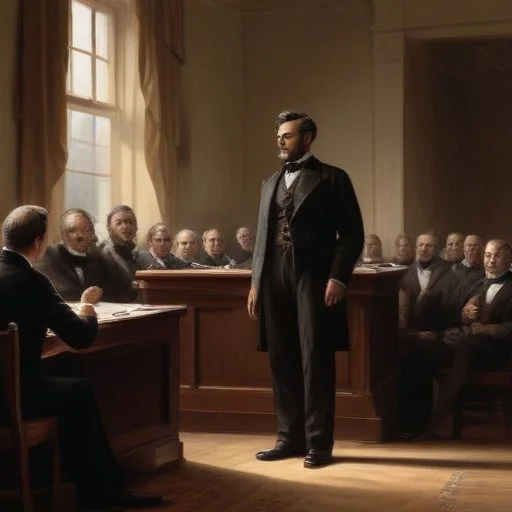
In the midst of the Civil War, Lincoln recognized the grave moral injustice of slavery and its profound implications on the fabric of American society. The brutal institution had long plagued the nation, and Lincoln's determination to end it only intensified as the war raged on. In 1863, he issued the Emancipation Proclamation, freeing all slaves in Confederate territory, but leaving those in border states still bound. This partial solution only fueled Lincoln's resolve to eradicate slavery once and for all.
Besides Lincoln, several prominent figures played critical roles in the amendment's passage:
The journey to the Thirteenth Amendment's signing was marked by pivotal milestones:
| Date | |
|---|---|
| January 1864 | Senate passes the Thirteenth Amendment, 38-6. |
| January 1865 | House of Representatives passes the amendment, 119-56. |
| January 31, 1865 | President Lincoln signs the Thirteenth Amendment into law. |
The Thirteenth Amendment's signing had far-reaching consequences:
The Thirteenth Amendment's passage resonated deeply across America:
As news of the amendment's signing spread, celebrations erupted throughout the North, with jubilant crowds gathering in cities and towns to rejoice in the newfound freedom of their fellow citizens.
Lincoln's words continue to inspire generations:
"Neither slavery nor involuntary servitude, except as a punishment for crime whereof the party shall have been duly convicted, shall exist within the United States, or any place subject to their jurisdiction."
The Thirteenth Amendment paved the way for:
Abraham Lincoln's unwavering commitment to ending slavery forever changed the course of American history. As we reflect on this pivotal moment, we honor the perseverance and courage of those who fought tirelessly for freedom and equality, and recognize the significance of the Thirteenth Amendment as a beacon of hope for a more perfect union.
Massachusetts Senator Charles Sumner was a passionate abolitionist who played a vital role in the passage of the Thirteenth Amendment. Born in 1811, Sumner was a Harvard-educated lawyer who became a prominent figure in the anti-slavery movement. His oratory skills and moral conviction made him a powerful advocate for the amendment.
Sumner's unwavering commitment to ending slavery led him to form close alliances with like-minded politicians, including President Lincoln. He worked tirelessly to build support for the amendment, using his influence to sway undecided legislators. Sumner's dedication to the cause was instrumental in securing the necessary votes for the amendment's passage.

The Thirteenth Amendment's signing had a profound impact on American culture, symbolizing a new era of freedom and equality. The abolition of slavery marked a significant shift in the nation's moral consciousness, as the value of human life and dignity became paramount.
In the years following the amendment's passage, African American cultural expression flourished. Music, art, and literature became powerful tools for self-expression and social commentary, as former slaves and their descendants asserted their identities and experiences.
The struggle for freedom also inspired white Americans to re-evaluate their own moral compass, leading to a greater awareness of social injustice and inequality.
The passage of the Thirteenth Amendment has been the subject of ongoing debate among historians, with different interpretations of its significance and impact.
Some historians argue that the amendment was a necessary step towards a more perfect union, marking a fundamental shift in the nation's understanding of human rights and dignity. Others contend that the amendment was a compromise, inadequate in its scope and failing to address the entrenched racial and economic inequalities of the time.
Despite these differing perspectives, the Thirteenth Amendment remains a landmark moment in American history, a testament to the power of collective action and moral conviction.

The Radical Republicans, a faction of the Republican Party, played a crucial role in the passage of the Thirteenth Amendment. Led by figures like Thaddeus Stevens and Charles Sumner, these-radical reformers sought to eradicate slavery and ensure equal rights for all citizens.
The Radical Republicans' commitment to social and political reform was driven by their belief in the principles of liberty and human dignity. They saw the abolition of slavery as a necessary step towards creating a more just and equitable society.
Their efforts ultimately contributed to the amendment's passage, paving the way for future civil rights legislation and cementing their place in American history as champions of social justice.
Two years before the Thirteenth Amendment's passage, President Lincoln issued the Emancipation Proclamation, a precursor to the abolition of slavery.
This document, signed on January 1, 1863, declared freedom for all slaves in Confederate territory, but left those in border states still bound. The Emancipation Proclamation was a strategic move, calculated to weaken the Confederacy and pave the way for future legislative action.
The document's significance lies not only in its practical implications but also in its symbolic importance, as it marked a turning point in Lincoln's commitment to ending slavery once and for all.