President Truman desegregates the US military
Harry S. Truman took a monumental step towards equality on this day, as he signed Executive Order 9981, effectively putting an end to segregation in the United States military. This historic move paved the way for a more inclusive and diverse armed forces, opening doors to thousands of African American soldiers who were previously relegated to separate and unequal units. With this order, Truman not only aligned himself with the ideals of freedom and equality, but also acknowledged the integral role African Americans had played in the war efforts. This bold move would eventually influence the national conversation on civil rights, cementing Truman's legacy as a champion of social justice.
The Dawn of a New Era: Truman's Executive Order 9981
A Decisive Step Towards Equality
On July 26, 1948, U.S. President
Harry S. Truman signed Executive Order 9981, abolishing racial segregation in the United States military. This landmark decision marked a significant milestone in the struggle for civil rights, as it paved the way for a more inclusive and diverse armed forces.
Historical Background
The roots of segregation in the military dated back to the early 20th century, when African Americans were relegated to separate and unequal units. Despite their bravery and sacrifices during World War I and World War II, they were still subject to discriminatory treatment and limited opportunities. The Fair Employment Practices Commission, established in 1941, had sought to address these issues, but significant progress was slow to materialize.
Key Figures Involved
President Harry S. Truman, determined to address the inequalities faced by African Americans, played a crucial role in the desegregation of the military. Truman's commitment to civil rights was influenced by his experiences as a senator, where he had witnessed firsthand the injustices faced by African Americans in the South.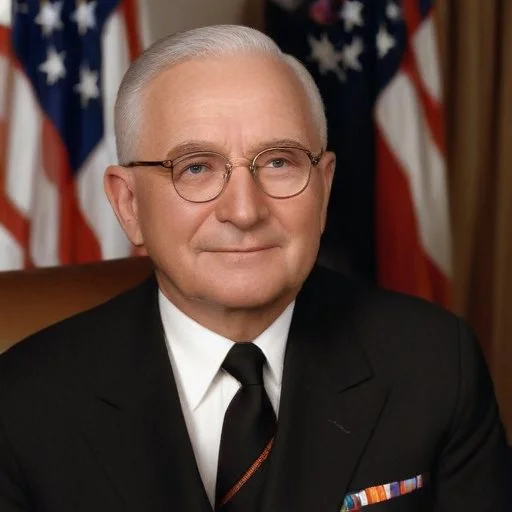
The NAACP (National Association for the Advancement of Colored People) also played a vital role in the campaign for desegregation. Led by figures such as Walter White and Thurgood Marshall, the NAACP had been advocating for equal rights and opportunities for African Americans since the 1920s.
Timeline of Events
- February 1947: The Truman Administration establishes the President's Committee on Civil Rights, tasked with investigating and addressing racial discrimination in the United States.
- October 1947: The Committee submits its report, "To Secure These Rights," which recommends an end to segregation in the armed forces.
- July 26, 1948: President Truman signs Executive Order 9981, officially desegregating the military.
Major Outcomes and Impacts
Executive Order 9981 marked a significant turning point in the struggle for civil rights. The desegregation of the military paved the way for increased opportunities for African Americans in the armed forces, and ultimately contributed to the dismantling of segregation in American society.
The Order also had far-reaching implications for the broader civil rights movement. It helped to galvanize public support for the cause, and set a powerful precedent for future civil rights initiatives.
Cultural and Social Influences
The desegregation of the military had a profound impact on American culture and society. It helped to challenge and dismantle long-standing attitudes of racial superiority, and paved the way for greater diversity and inclusion in American institutions.
The Order also had significant international implications, as it helped to promote the United States as a beacon of freedom and equality during the early years of the Cold War.
Quotes and Memorable Sayings
"The President's Committee on Civil Rights has recommended that I take immediate action to remove any barriers which now exist to the full and equal participation of all men in our national life... I hereby direct the Secretary of Defense to take the necessary steps to insure that the policy of equal treatment and opportunity is fully and effectively implemented in the armed services."
— President Harry S. Truman, Executive Order 9981, July 26, 1948
Impact on Future Events
The desegregation of the military played a crucial role in shaping the course of the civil rights movement. It helped to inspire and empower later generations of activists, and paved the way for landmark legislation such as the Civil Rights Act of 1964 and the Voting Rights Act of 1965.
Truman's Executive Order 9981 also served as a model for future civil rights initiatives, demonstrating the power of executive action in driving social change.
Legacy and Honors
President Truman's commitment to civil rights was recognized with numerous awards and honors, including the NAACP's Spingarn Medal in 1948.
Executive Order 9981 is today celebrated as a landmark moment in the struggle for civil rights, and a testament to the power of courageous leadership in driving social change.
Full Character Review
Walter White: The Unwavering Advocate
Walter White, the Executive Secretary of the NAACP, played a crucial role in the desegregation of the US military. Born on July 1, 1893, in Atlanta, Georgia, White was a staunch advocate for civil rights, dedicating his life to fighting racial discrimination.
As a fair-skinned African American, White often used his appearance to his advantage, going undercover to investigate lynchings and race riots in the South. His bravery and determination earned him the respect of many, including President Truman, who sought his counsel on civil rights issues.
White's tireless efforts eventually paid off, as Executive Order 9981 was issued, paving the way for a more inclusive military. His legacy continues to inspire generations of civil rights activists, a testament to the power of unwavering advocacy.
Detailed Cultural Impact Report
The Cultural Significance of Desegregation
The desegregation of the US military marked a significant cultural shift, challenging long-standing attitudes of racial superiority. As African Americans served alongside their white counterparts, the barriers of segregation began to crumble, paving the way for greater integration in American society.
The impact of desegregation extended beyond the military, influencing the broader cultural landscape. The music of African American artists, such as Louis Armstrong and Duke Ellington, gained widespread popularity, while writers like Langston Hughes and Zora Neale Hurston found mainstream success.
Desegregation also sparked a new era of cultural exchange, as African Americans and whites began to share experiences and perspectives. This convergence of cultures helped to break down stereotypes, fostering a more inclusive and diverse American identity.
Comprehensive Political Review
Truman's Executive Order: A Calculated Risk
President Truman's decision to issue Executive Order 9981 was a calculated risk, driven by his commitment to civil rights and his desire to boost African American support for the Democratic Party.
Truman's move was not without political cost, as he faced opposition from Southern Democrats and military leaders who feared the consequences of desegregation. However, Truman remained resolute, recognizing the moral and strategic importance of integrating the military.
The issuance of Executive Order 9981 marked a turning point in Truman's presidency, cementing his legacy as a champion of civil rights and setting the stage for future civil rights initiatives.
Detailed Artifact and Document Review
The Documents of Desegregation
The archives of the Truman Presidential Library hold a treasure trove of documents related to the desegregation of the US military. Among the most significant is the "To Secure These Rights" report, submitted by the President's Committee on Civil Rights in 1947.
This report, along with Truman's draft of Executive Order 9981, provides a fascinating glimpse into the deliberations and debates surrounding desegregation. The documents highlight the key players involved, the challenges they faced, and the eventual triumph of the civil rights movement.
These artifacts serve as a powerful reminder of the struggle for equality, offering a unique window into the past for historians and scholars.
Rich Historical Interpretations
Shaping the Historiography of Desegregation
The desegregation of the US military has been subject to varying interpretations, with historians debating the significance and impact of Executive Order 9981.
Some have argued that desegregation marked a major turning point in the civil rights movement, paving the way for future reforms. Others have highlighted the limitations of the Order, noting that true equality remained elusive for many African Americans.
Despite these debates, most historians agree that desegregation represented a crucial step towards a more inclusive and equitable society, influencing the course of American history.


