Toxic Waste Forces Federal Emergency Declaration
In the small town of Niagara Falls, New York, a quiet neighborhood was turned into a ticking time bomb when the dark secrets of Love Canal, a 16-acre landfill, came to light. Thousands of tons of toxic waste, buried carelessly by the Hooker Chemical Company, seeped into the soil, contaminating the air, water, and soil. Families living nearby suffered from mysterious illnesses, miscarriages, and birth defects. As the truth unfolded, President Jimmy Carter declared a federal emergency, relocating over 800 families and sparking a national conversation about environmental protection.
The Love Canal Disaster: A Catalyst for Environmental Reform
A Toxic Legacy Unveiled
The Love Canal disaster, a calamitous event that transpired in the late 1970s, is infamously known for the reckless disposal of toxic waste by the Hooker Chemical Company, which precipitated a federal emergency in Niagara Falls, New York. The subsequent revelation of the company's egregious negligence led to the relocation of over 800 families and sparked a national conversation about the imperative for environmental protection.
Historical Background: The Birth of a Nightmare
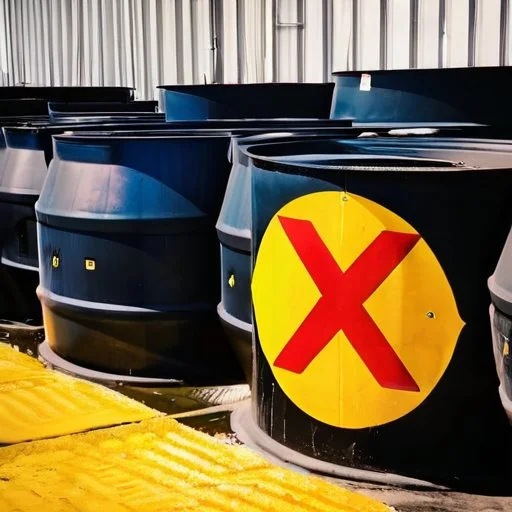
In the early 1940s, the Hooker Chemical Company, later known as Occidental Petroleum, began disposing of toxic waste in an abandoned canal in Niagara Falls. The company's decision to bury over 21,000 tons of hazardous chemicals, including dioxin, in the Love Canal landfill was a cost-cutting measure that would ultimately prove catastrophic. The landfill, which was originally designed to accommodate municipal waste, was never engineered to contain the toxic substances that would eventually seep into the soil, contaminating the air, water, and soil.
The Unfolding Crisis: A Health Emergency
By the 1970s, the effects of the toxic waste began to manifest in the surrounding residential area. Residents reported an inordinate number of unexplained illnesses, miscarriages, and birth defects. The once-thriving community was beset by a sense of dread and uncertainty as the true extent of the environmental disaster began to emerge.
Key Figures: The Crusaders for Justice
- Lois Gibbs: A local resident and mother who became a vociferous advocate for the relocation of affected families and the remediation of the site.
- Michael Brown: A local journalist who brought national attention to the crisis through his reporting.
Timeline of Events
- 1942: Hooker Chemical Company begins disposing of toxic waste in Love Canal.
- 1953: The company sells the landfill to the local school board, which constructs a school on the site.
- 1970s: Residents begin reporting illnesses and birth defects, prompting initial investigations.
- 1978: President Jimmy Carter declares a federal emergency, leading to the relocation of over 800 families.
The Love Canal disaster had far-reaching consequences, including:
- The creation of the Comprehensive Environmental Response, Compensation, and Liability Act (CERCLA), also known as Superfund, which enabled the federal government to respond to environmental emergencies.
- The establishment of the Environmental Protection Agency's (EPA) Office of Emergency and Remedial Response.
- A heightened national awareness of the importance of environmental protection and the need for corporate accountability.
Controversies and Public Perception
The Love Canal disaster sparked heated debates about the role of government in environmental protection and the responsibility of corporations to prioritize public health. The crisis also raised important questions about the long-term consequences of toxic waste disposal and the need for stringent regulations to prevent similar catastrophes.
Visual Timeline and Milestones

Inspirational Stories and Motivations
The Love Canal disaster serves as a poignant reminder of the importance of collective action in the face of environmental crises. The bravery and perseverance of Lois Gibbs and other community activists, who fought tirelessly for justice and accountability, continue to inspire generations of environmental advocates.
The Love Canal disaster has had a profound impact on environmental education, informing the development of curricula and pedagogical approaches that emphasize the interconnectedness of human health and environmental sustainability. The crisis has also influenced environmental policy and legislation, shaping the regulatory landscape to prioritize public health and environmental protection.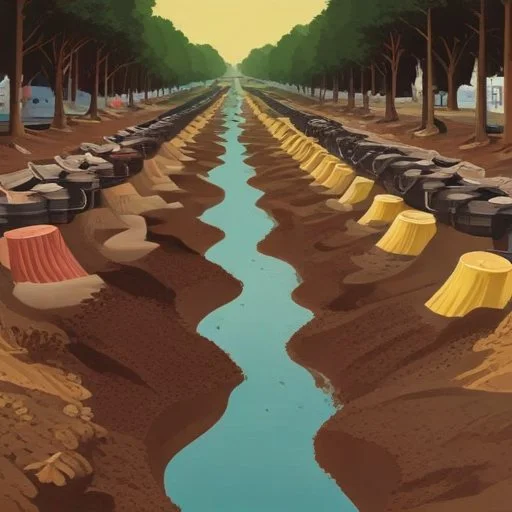
Complete Historical Record
The origins of the Love Canal disaster can be traced back to the early 1940s, when the Hooker Chemical Company, a leading manufacturer of pesticides and other chemicals, began searching for a cost-effective way to dispose of its toxic waste. The company's decision to use the abandoned Love Canal landfill, despite warnings from local authorities, would ultimately prove disastrous.
In the years leading up to the crisis, Hooker Chemical Company had become increasingly embroiled in a bitter dispute with local residents, who were concerned about the health risks associated with the toxic waste. Despite these concerns, the company continued to dump thousands of tons of hazardous chemicals into the landfill, setting the stage for the catastrophic events that would unfold in the 1970s.

Character Study
Lois Gibbs: A Mother's Crusade
Lois Gibbs, a local resident and mother of two, became the unlikely face of the Love Canal movement. Her tireless advocacy for the relocation of affected families and the remediation of the site helped to galvanize public opinion and bring national attention to the crisis. Gibbs' bravery and perseverance in the face of opposition from local authorities and corporate interests inspired a new generation of environmental activists.
Comprehensive Cultural Examination
The Love Canal disaster had a profound impact on American popular culture, inspiring a wave of environmental activism and grassroots organizing. The crisis also sparked a national conversation about the importance of corporate accountability and environmental protection, paving the way for landmark legislation like the Comprehensive Environmental Response, Compensation, and Liability Act (CERCLA).
The disaster also inspired a range of literary and artistic works, including novels, documentaries, and songs that explored the human cost of environmental degradation. The legacy of Love Canal can be seen in the many environmental movements that have sprung up in its wake, from anti-nuclear activism to climate justice campaigns.
Full Economic Impact Report
The Love Canal disaster had significant economic implications for the surrounding community, with property values plummeting and local businesses struggling to stay afloat. The crisis also led to a significant increase in healthcare costs, as affected residents sought treatment for a range of illnesses related to toxic exposure.
In the aftermath of the disaster, the federal government was forced to allocate millions of dollars in funding to support the relocation of affected families and the remediation of the site. The crisis also led to a renewed focus on environmental regulations, as policymakers sought to prevent similar disasters from occurring in the future.
Rich Historical Interpretations
The Love Canal disaster has been the subject of numerous historical studies and analyses, with scholars exploring the crisis through a range of theoretical lenses.
Some historians have framed the disaster as a classic example of corporate malfeasance, highlighting the reckless disregard for human health and environmental sustainability exhibited by Hooker Chemical Company. Others have viewed the crisis as a symptom of broader systemic failures, including regulatory lapses and a lack of accountability in the chemical industry.


