


On a chilly Washington D.C. afternoon, March 30, 1981, the newly inaugurated President Ronald Reagan's life hung precariously in the balance. Just 69 days into his presidency, a hail of gunfire outside the Washington Hilton Hotel left him clinging to life, with a bullet lodged mere inches from his heart.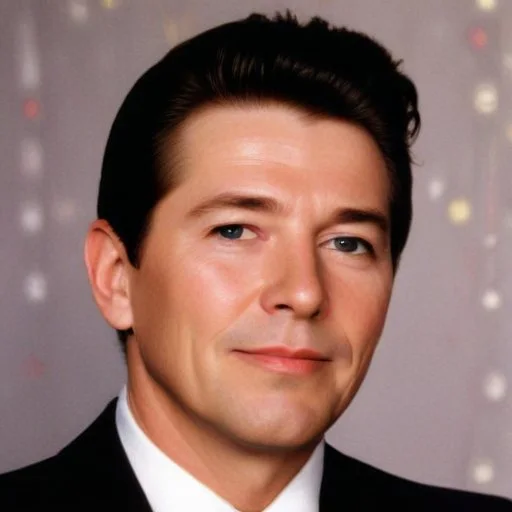
The would-be assassin, John Hinckley Jr., harbored a disturbing fixation on actress Jodie Foster, fueled by his warped interpretation of the 1976 film "Taxi Driver." In his deranged mind, Hinckley believed that by killing the President, he would somehow impress Foster and earn her affection.
As Reagan exited the hotel, where he had just addressed a labor conference, Hinckley emerged from the crowd, firing six shots from his .22 caliber revolver. Reagan, flanked by Secret Service agents, felt a sudden, searing pain in his chest. He later recalled the sensation as "a tremendous kick in the back."
Reagan was not the only casualty of that fateful day. Three others were wounded in the chaos:
As Reagan struggled to comprehend the gravity of the situation, his inherent charm and wit shone through. Despite his injuries, he joked with doctors, nurses, and even his would-be assassin, displaying a resilience that captivated the nation.
The botched assassination attempt sent shockwaves through the country, plunging Americans into a collective state of disbelief. The outpouring of support and sympathy for Reagan was immense, as people from all walks of life rallied around their wounded leader.
Hinckley was swiftly apprehended and subsequently found not guilty by reason of insanity. He was committed to a psychiatric hospital, where he remains to this day. Reagan, meanwhile, made a remarkable recovery, returning to duty just 69 days after the shooting.
The attempt on Reagan's life had a profound impact on the nation's awareness of gun control and mental health. The Brady Act, signed into law in 1993, remains a testament to the enduring legacy of that fateful day, as does Reagan's own indomitable spirit.
The events of March 30, 1981, serve as a poignant reminder of the enduring power of resilience and the human spirit. As we reflect on that fateful day, we are reminded of the infinite complexities of the human experience and the boundless capacity for courage in the face of adversity.
John Hinckley Jr., the would-be assassin, was born on May 29, 1955, in Ardmore, Oklahoma. His early life was marked by social awkwardness and a lack of social connections. Hinckley's obsession with Jodie Foster began after he saw her in the 1976 film "Taxi Driver," in which her character is the object of affection for a lonely taxi driver played by Robert De Niro. Hinckley became convinced that he could impress Foster by committing a dramatic act, such as assassinating the President.
Despite his privileged upbringing, Hinckley struggled to find direction in life. He was expelled from college twice and worked at various menial jobs. His fixation on Foster intensified over time, and he began to stalk her, sending her letters and showing up at her college campus.
The attempted assassination of Ronald Reagan occurred at a time of great geopolitical tension. The Cold War was still ongoing, and the United States was engaged in a proxy war with the Soviet Union in Afghanistan. The Soviet Union had recently invaded Poland, and the U.S. was responding with economic sanctions.
In this context, the attempted assassination of the President was seen as a serious threat to national security. The Reagan administration responded swiftly, with Secretary of State Alexander Haig famously declaring, "As of now, I am in control here, in the White House, pending return of the Vice President and in close touch with the Vice President."
The attempted assassination of Ronald Reagan had a profound impact on American culture. The event marked a turning point in the national conversation about gun control, with many calling for stricter regulations on firearms.
The incident also had a significant impact on the entertainment industry. The film "Taxi Driver" was widely criticized for its portrayal of violence and its potential influence on Hinckley's actions. The film's director, Martin Scorsese, and its star, Robert De Niro, both received death threats in the aftermath of the assassination attempt.
The attempted assassination of Ronald Reagan led to significant advances in medical technology. The President's injuries were severe, and his treatment required the use of cutting-edge medical equipment.
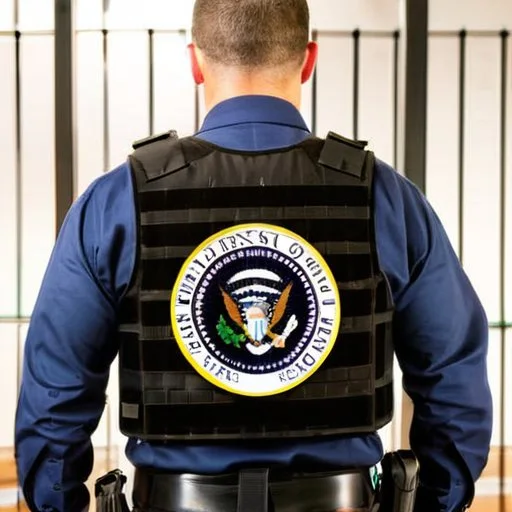
The event also highlighted the importance of emergency medical response. The Secret Service agents and medical personnel who responded to the shooting were praised for their quick thinking and expertise.
Historians have debated the significance of the attempted assassination of Ronald Reagan, with some seeing it as a pivotal moment in the Reagan presidency and others viewing it as a minor blip on the radar of history.
Some historians have argued that the event marked a turning point in Reagan's presidency, with the President becoming more cautious and pragmatic in the aftermath of the shooting. Others have seen the event as a minor disturbance in an otherwise uneventful presidency.