


The Prestige oil spill, one of the most catastrophic environmental disasters in history, is infamous for releasing a staggering 63,000 metric tons of heavy fuel oil into the waters off the coast of Galicia, Spain, surpassing the notorious Exxon Valdez disaster. This preventable tragedy was the result of a perfect storm of human error, bureaucratic red tape, and the unrelenting fury of nature.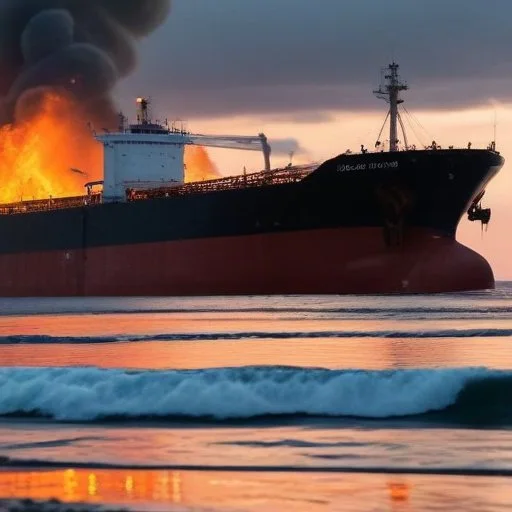
The MV Prestige, a 26-year-old Bahamian-registered oil tanker, set sail from Latvia on November 9, 2002, carrying 77,000 tons of heavy fuel oil. As the tanker navigated through treacherous waters, it suffered a series of mechanical failures, including a cracked hull and a malfunctioning rudder.
The effects of the Prestige oil spill were immediate and far-reaching. The heavy fuel oil polluted over 1,300 kilometers of coastline, affecting dozens of beaches, estuaries, and marine ecosystems. The disaster claimed the lives of thousands of marine animals, decimated local fisheries, and ravaged the regional economy.
The cleanup efforts were hampered by bureaucratic disputes, inadequate resources, and harsh winter weather conditions. It wasn't until 2005 that the majority of the oil was finally removed, but the environmental scars remain to this day.
The Prestige oil spill highlighted a web of negligence and incompetence that extended from the tanker's owners to government officials and regulatory bodies. Investigations revealed a plethora of safety violations, inadequate maintenance, and a culture of complacency that prioritized profits over environmental responsibility.
The incident sparked widespread outrage and condemnation, prompting calls for greater accountability and stricter regulations in the maritime industry. The disaster served as a wake-up call, leading to improved safety standards, enhanced emergency response protocols, and increased transparency in the shipping industry.
The Prestige oil spill shares eerie similarities with the Exxon Valdez disaster, which occurred 13 years prior. Both incidents involved oil tankers, mechanical failures, and catastrophic environmental consequences.
While the Exxon Valdez spilled approximately 40,000 metric tons of crude oil, the Prestige released a staggering 63,000 metric tons of heavy fuel oil, making it the largest oil spill in European history.
However, the Prestige disaster was distinct in its prolonged and agonizing descent into catastrophe, with the tanker struggling to stay afloat for days before finally succumbing to the storm.
"The Prestige disaster was a preventable tragedy that should never have happened. It's a stark reminder of the importance of safety, accountability, and environmental responsibility." – Spanish Prime Minister José María Aznar
"The Prestige oil spill was a wake-up call, a stark reminder of the devastating consequences of human error and neglect. We must learn from this tragedy and work towards a safer, more sustainable future." – Greenpeace Director Gerd Leipold
Local fishermen, who had long made their living from the sea, were devastated by the disaster. One fisherman, Joaquín González, recalled: "The oil was everywhere. It was like a black tide, suffocating our livelihoods and our way of life. We felt helpless, watching our communities destroyed by the very thing that was supposed to sustain us."
Volunteers and cleanup workers, who risked their health and safety to contain the spill, told stories of oil-soaked beaches, dead wildlife, and the stench of fuel oil hanging heavy in the air.
The Prestige oil spill has had a lasting impact on the maritime industry, prompting significant reforms and improvements in safety standards, emergency response protocols, and environmental regulations. The disaster has also raised awareness about the importance of sustainable practices, environmental responsibility, and the need for collective action in the face of catastrophic events.
In conclusion, the Prestige oil spill serves as a poignant reminder of the devastating consequences of human error and the importance of learning from our mistakes. As we move forward, we must prioritize environmental responsibility, safety, and accountability to prevent such tragedies from occurring in the future.
The Prestige oil spill had a devastating impact on the marine ecosystems along the Galician coast. The heavy fuel oil released by the tanker damaged the habitats of many marine species, causing long-term consequences for the biodiversity of the region.
Studies have shown that the oil spill affected the reproduction patterns of many marine species, including fish, shellfish, and seabirds. The toxic effects of the oil also damaged the immune systems of these species, making them more vulnerable to disease and predators.
One of the most affected species was the European anchovy, a key component of the marine food chain. The anchovy population declined significantly in the aftermath of the spill, having a ripple effect on the entire ecosystem.
The Prestige oil spill had a profound impact on the cultural identity of the Galician people. The disaster highlighted the importance of the marine environment to the region's economy, culture, and way of life.
The spill also sparked a renewed sense of environmental awareness and activism in Galicia. Local communities came together to demand greater accountability from the government and the shipping industry, leading to changes in safety regulations and environmental policies.
The Prestige oil spill has become a symbol of the delicate balance between human activity and the natural environment, serving as a reminder of the need for sustainable practices and environmental responsibility.The Prestige oil spill led to widespread criticism of the Spanish government's response to the disaster. The government was accused of being slow to react, and its handling of the crisis was deemed inadequate.
In the aftermath of the spill, the government faced calls for greater accountability and transparency in its decision-making processes. The incident led to changes in the government's emergency response protocols and a re-evaluation of its environmental policies.
The Prestige oil spill marked a turning point in the relationship between the government and the environmental movement in Spain.
The Prestige oil spill highlighted the need for more effective technologies to respond to maritime disasters. In the aftermath of the spill, experts developed new technologies to contain and clean up oil spills, including advanced booms and skimmers.
The incident also spurred the development of more robust safety measures for oil tankers, including enhanced navigation systems and emergency response plans.
The Prestige oil spill led to significant advancements in the field of oil spill response and prevention, reducing the risk of similar disasters in the future.The Prestige oil spill had a significant impact on the economy of Galicia, particularly in the fishing and tourism industries. The disaster led to the closure of many businesses and the loss of thousands of jobs.
The clean-up efforts and environmental restoration programs also placed a significant burden on the local economy, with costs estimated in the billions of euros.
The Prestige oil spill served as a stark reminder of the importance of environmental responsibility and the need for sustainable practices in the maritime industry.