


On March 23, 2020, Prime Minister Boris Johnson made the unprecedented decision to put the entire United Kingdom under lockdown, marking a turning point in the country's response to the COVID-19 pandemic. This drastic measure, never before seen in peacetime Britain, would change the fabric of daily life, forcing the nation to adapt to a new reality.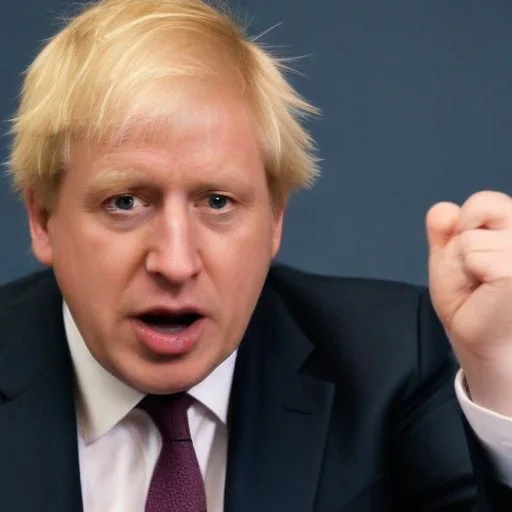
As the virus spread rapidly across the country, the UK's National Health Service (NHS) was on the brink of collapse. Hospitals were overwhelmed, medical supplies were running low, and the death toll was rising exponentially. Faced with the grim reality, Johnson had no choice but to take drastic action to prevent a complete breakdown of the healthcare system.
In a televised address, Johnson laid out the stark rules of the lockdown: citizens were forbidden from leaving their homes except for essential journeys, such as buying food and medicine or going to work in critical industries. Gatherings of more than two people were banned, and all non-essential shops, libraries, and public spaces were forced to close. The usually bustling streets of London, Manchester, and other major cities fell silent, as the nation struggled to come to terms with the new normal.
The lockdown had a profound impact on the lives of millions of Britons. The elderly and vulnerable were forced to shield, leaving many feeling isolated and alone. Families were torn apart, as grandparents, parents, and children struggled to cope with the loss of physical contact. The mental health of the nation suffered, as anxiety, depression, and loneliness skyrocketed. Meanwhile, the economy teetered on the brink of collapse, as businesses struggled to stay afloat.
The lockdown was not without its controversies. Many questioned the government's decision to delay implementing the lockdown, citing concerns over the economic impact. Others criticized the police for their heavy-handed approach to enforcing the rules, with some instances of excessive force making headlines. Despite these criticisms, the majority of Britons rallied behind the government, recognizing the unprecedented nature of the crisis.
As the lockdown slowly began to ease, the UK emerged into a new world. The pandemic had accelerated the shift towards a digital society, with remote working, online shopping, and virtual socializing becoming the norm. The nation had come together, with community spirit and resilience proving to be a powerful antidote to the virus. And as the UK looked to the future, one thing was clear: the country would never be the same again.
The lockdown had a devastating impact on the UK's economy, with an estimated £2.5 billion loss in GDP per day. The hospitality sector was particularly hard hit, with over 80% of businesses forced to close. The Chancellor, Rishi Sunak, was quick to respond, introducing a range of measures to mitigate the damage, including a £330 billion stimulus package.
Despite these efforts, the lockdown still resulted in a significant rise in unemployment, with 1.5 million people claiming jobseeker's allowance by the end of April. The economy would take months to recover, with many businesses forced to adapt to a new normal of reduced capacities and social distancing measures.

The lockdown had a profound impact on British culture, with many traditional events and festivals cancelled or postponed. The usually vibrant streets of London's West End were deserted, as theaters and music venues were forced to close.
However, the lockdown also sparked a resurgence in community spirit, with many neighborhoods coming together to support vulnerable residents. Volunteer groups sprang up across the country, offering essential services such as grocery shopping and dog walking.
The UK's response to the pandemic was not unique, with many other countries imposing similar lockdown measures. However, the UK's decision to delay implementing the lockdown was criticized by some, who argued that it had allowed the virus to spread further.
In contrast, countries such as South Korea and New Zealand had implemented strict lockdown measures early on, with significant success in containing the outbreak. The UK's approach was more gradual, with a focus on "herd immunity" that was later abandoned in favor of a more stringent lockdown.
The lockdown accelerated the shift towards a digital society, with many businesses forced to adopt remote working practices overnight. Video conferencing tools such as Zoom and Skype became essential, as face-to-face meetings became a thing of the past.
The lockdown also saw a surge in online shopping, with many retailers forced to adapt to a new reality of digital-only sales. The pandemic marked a turning point in the transition to a cashless society, with contactless payments becoming the norm.
The lockdown had a profound impact on social dynamics, with many people forced to adapt to a new normal of social distancing and isolation. The elderly and vulnerable were particularly hard hit, with many forced to shield for extended periods.
However, the lockdown also sparked a renewed sense of community, with many people coming together to support each other. Neighborhoods that had previously been strangers became close-knit communities, with residents looking out for each other.