


The Exxon Valdez oil spill, considered one of the most devastating environmental disasters in history, occurred on March 24, 1989, when the tanker ran aground in Prince William Sound, Alaska, releasing an estimated 240,000 barrels (38,000m3) of crude oil into the pristine waters.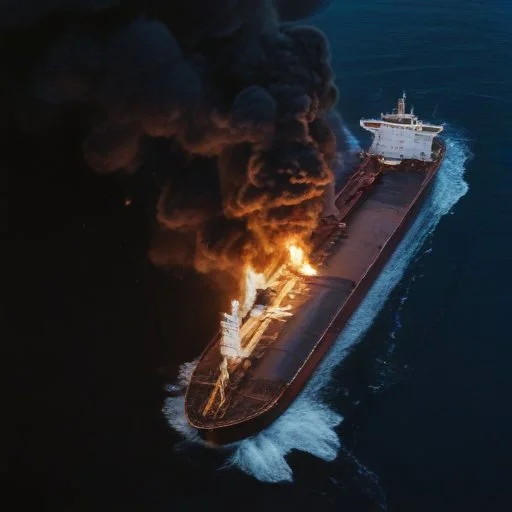
The Exxon Valdez, a supertanker, was en route from the Valdez Marine Terminal to the lower 48 states when the disaster struck. The tanker was carrying a massive cargo of crude oil, making it a potential environmental time bomb.
The events of that fateful night unfolded rapidly. At around 11:45 pm, the Exxon Valdez veered off course, and at 12:04 am, it struck Bligh Reef in Prince William Sound. The impact caused the tanker's hull to rupture, releasing millions of gallons of oil into the water.
Joseph Hazelwood, the tanker's third mate, was in charge of navigation on the fateful night. Hazelwood's decision to take a shortcut through Prince William Sound, coupled with his error in navigation, led to the disaster. ExxonMobil Corporation, the owner of the tanker, would later face intense scrutiny and criticism for its role in the disaster.
The Exxon Valdez oil spill had a profound impact on the environment, wildlife, and local communities. The oil slick covered over 1,300 miles of coastline, killing an estimated 250,000 seabirds, 2,800 sea otters, and 300 harbor seals. The disaster also disrupted the local fishing industry, causing significant economic losses.
The Exxon Valdez oil spill raised awareness about the importance of environmental protection and the need for corporate accountability. The disaster led to a re-examination of oil transportation safety regulations and sparked a national debate on the role of the oil industry in environmental protection.
The ExxonMobil Corporation faced intense criticism for its response to the disaster, with many accusing the company of being slow to react and downplaying the severity of the spill. The incident also raised questions about the safety record of the oil industry as a whole.
Riki Ott, a local fisherman, was one of the first responders to the disaster. Ott has spoken publicly about the devastating impact of the spill on the local community, saying, "It was like watching a nightmare unfold before our eyes."
The Exxon Valdez oil spill led to significant changes in oil transportation safety regulations, including the passage of the Oil Pollution Act of 1990. The disaster also spurred the development of new technologies for oil spill cleanup and response.
The Exxon Valdez oil spill was not the first environmental disaster in Prince William Sound. In 1964, the tanker Torrey Canyon ran aground in the sound, releasing 840,000 barrels of oil into the water. The Exxon Valdez disaster was, however, the largest oil spill in U.S. history at the time.
In the aftermath of the disaster, the ExxonMobil Corporation established the Exxon Valdez Oil Spill Trustee Council, which provided funds for environmental restoration and research initiatives. The council also supported local communities affected by the spill.
The Exxon Valdez oil spill serves as a stark reminder of the importance of environmental protection and corporate accountability. As we look back on this devastating event, we are reminded of the need for continued vigilance and innovation in the pursuit of a safer, more sustainable future.
The Exxon Valdez oil spill had a devastating impact on the environment of Prince William Sound. The oil slick covered over 1,300 miles of coastline, affecting numerous habitats and ecosystems. The spill also contaminated soil and groundwater, leading to long-term damage to the environment.
A study by the National Oceanic and Atmospheric Administration (NOAA) found that the oil spill caused significant damage to the sound's marine ecosystem. The study noted that the spill resulted in the loss of marine life, including fish, birds, and mammals, and disrupted the food chain.
In addition to the immediate environmental damage, the spill also had long-term effects on the sound's ecosystem. The oil spill contaminated the soil and groundwater, leading to the formation of "oil lakes" that remained in the area for years after the spill.

Joseph Hazelwood, the third mate of the Exxon Valdez, was in charge of navigation on the fateful night of March 24, 1989. Hazelwood's decision to take a shortcut through Prince William Sound, combined with his error in navigation, led to the disaster.
Hazelwood's role in the disaster has been the subject of much scrutiny. Critics have pointed to Hazelwood's history of reckless behavior and his failure to follow safety protocols as contributing factors to the spill.
In the aftermath of the disaster, Hazelwood's career was marred by controversy. He was eventually charged with operating a vessel while intoxicated, and his license was revoked.
The Exxon Valdez oil spill led to significant advances in oil spill cleanup technology. In the aftermath of the disaster, researchers developed new methods for containing and cleaning up oil spills, including the use of oil-skimming boats and chemical dispersants.
The disaster also spurred the development of new technologies for preventing oil spills, such as double-hulled tankers and advanced navigation systems.
In addition to these technological advances, the Exxon Valdez oil spill also led to the development of new safety protocols for the oil industry, including stricter regulations on tanker design and operation.

The Exxon Valdez oil spill had a profound impact on the cultural and social fabric of the communities surrounding Prince William Sound. The disaster led to a sense of outrage and betrayal among local residents, who felt that ExxonMobil had prioritized profits over safety and the environment.
The spill also had a significant impact on the local economy, with many fishermen and small business owners affected by the disaster.
In the aftermath of the spill, local communities came together to demand justice and accountability from ExxonMobil and the oil industry as a whole. The disaster sparked a renewed focus on environmental activism and community engagement in the region.
The Exxon Valdez oil spill had a significant economic impact on the state of Alaska and the surrounding communities. The disaster led to a loss of revenue for the fishing industry, as well as a decline in tourism and economic activity in the region.
A study by the University of Alaska estimated that the spill resulted in a loss of over $1 billion in economic activity in the state.
In addition to these direct economic costs, the spill also had indirect costs, including the loss of livelihoods and the impact on local businesses and communities.