


The Cerro Maravilla murders, a chilling incident that shook the foundations of Puerto Rico, is notoriously remembered as a brutal example of state-sponsored violence against pro-independence activists. On a fateful night in 1978, police officers, masquerading as civilians, ambushed and brutally killed two young nationalists, Carlos Soto Arriv and Arnaldo Dario Rosado, in the misty mountains of Cerro Maravilla.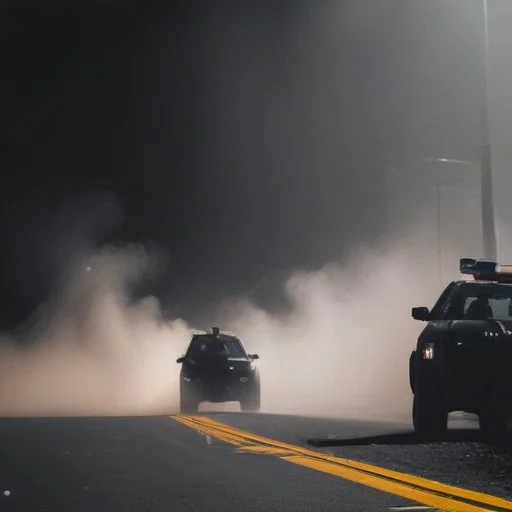
The Puerto Rican independence movement had been simmering for decades, with voices of dissent growing louder against the US colonial rule. As tensions escalated, the authorities responded with an iron fist, cracking down on any perceived threats to their authority. In this climate of fear and repression, the Cerro Maravilla murders would become a bloody milestone in the island's struggle for independence.
On the evening of July 25, 1978, Carlos Soto Arriv and Arnaldo Dario Rosado, both members of the Puerto Rican Socialist Party, embarked on a clandestine journey to meet with fellow comrades. Their mission was to discuss strategies for independence, but the authorities had other plans. As they drove up the winding roads of Cerro Maravilla, they were suddenly ambushed by undercover police officers, who opened fire on the unsuspecting duo.
The initial reports claimed that the two men had died in a shootout with police, spinning a narrative of self-defense. However, as the investigation unfolded, it became clear that the authorities had orchestrated a heinous crime to silence the voices of dissent. The police officers involved in the ambush were later revealed to be undercover agents, who had been monitoring the nationalists' activities and orchestrated the deadly encounter.
The Cerro Maravilla murders sparked widespread outrage and protests across Puerto Rico, as citizens demanded justice and accountability from the authorities. The incident galvanized the independence movement, with many seeing it as a stark reminder of the government's willingness to use violence to maintain its grip on power. As the truth behind the killings slowly unraveled, it became clear that the Cerro Maravilla murders would be a turning point in the island's struggle for independence.
The lives of Carlos Soto Arriv and Arnaldo Dario Rosado were not lost in vain. Their sacrifice ignited a fire of resistance, inspiring a new generation of activists to continue the fight for independence and social justice. Today, their memory serves as a powerful symbol of defiance against oppression, a reminder that the struggle for freedom and human rights is never truly won, but must be constantly fought for.
"The struggle for independence is not just about flags and symbols, it's about the right to live with dignity and self-determination." - Carlos Soto Arriv
"We will not be silenced, we will not be intimidated. We will continue to fight for our freedom, no matter the cost." - Arnaldo Dario Rosado
The Cerro Maravilla murders have been immortalized in song, art, and literature, becoming an integral part of Puerto Rican cultural heritage. The incident has inspired numerous works of art, including songs by renowned artists such as Rubén Blades and Andrés Jiménez "El Jíbaro", and has been the subject of several books and documentaries.
Carlos Soto Arriv, a bright and charismatic young man, was a rising star in the Puerto Rican Socialist Party. Born in 1954, Carlos was deeply committed to the cause of independence, and his passion inspired many to join the movement. As a skilled orator and natural leader, Carlos was instrumental in galvanizing support for the party's ideals, particularly among the youth.
Despite his short life, Carlos left an indelible mark on the independence movement. His bravery and conviction in the face of overwhelming odds continue to inspire generations of activists, ensuring that his legacy will never be forgotten.
The Cerro Maravilla murders have had a profound impact on Puerto Rican culture, inspiring a wave of artistic expression and creative works. From songs and poems to films and literature, the incident has been immortalized in various forms, ensuring its memory remains etched in the nation's collective consciousness.
The incident has also inspired a new generation of artists, who continue to draw inspiration from the courage and sacrifice of Carlos and Arnaldo. Through their work, they keep the flame of resistance burning bright, ensuring that the struggle for independence remains a vital part of Puerto Rico's cultural heritage.
The Cerro Maravilla murders marked a critical turning point in the Puerto Rican independence movement. The incident galvanized support for the cause, as outrage and dismay sparked widespread protests and demands for justice.
The brutal suppression of dissent by the authorities also had a profound impact on the movement's strategy, prompting many to adopt more radical and militant tactics. As the incident highlighted the government's willingness to use violence to maintain its grip on power, it marked a shift towards more confrontational approaches to achieving independence.
The Cerro Maravilla murders were not an isolated incident, but rather the culmination of years of tension and repression. Since the early 20th century, Puerto Rico had been a US territory, with many Puerto Ricans chafing against the island's colonial status.
The 1960s and 1970s saw a surge in nationalist sentiment, as groups like the Puerto Rican Socialist Party demanded independence and self-determination. The authorities responded with increasingly repressive measures, setting the stage for the tragic events that unfolded on that fateful night in Cerro Maravilla.
The Cerro Maravilla murders had a profound impact on Puerto Rican society, catalyzing a wave of social change and reform. The incident highlighted the need for greater accountability and transparency in government, as well as the importance of protecting human rights and civil liberties.
In the aftermath of the incident, many Puerto Ricans began to question the status quo, demanding greater autonomy and self-governance. The incident also sparked a new era of social activism, as citizens from all walks of life came together to demand justice and equality.