


In a watershed moment for Mongolia, Punsalmaagiin Ochirbat emerged victorious in the country's first-ever presidential election, marking a significant shift towards democracy and cementing his place as the nation's first democratically elected president.
Ochirbat's landslide victory, securing an impressive 60% of the vote, sent a clear message: the Mongolian people were ready for change. As the dust settled on June 6, 1993, Ochirbat's triumph signified a seismic shift in the country's political landscape, as Mongolia transitioned from a socialist state to a democratic nation.
In the aftermath of the Soviet Union's collapse, Mongolia was poised at the crossroads of reform. The country's communist government, in power since 1921, was crumbling, and the people were demanding greater autonomy. Ochirbat, a former communist politician, recognized the winds of change and capitalized on the moment, leveraging his experience and popularity to spearhead the democratic movement.
A career politician with a strong track record, Ochirbat's commitment to democracy was unwavering. His willingness to adapt and evolve, combined with his deep understanding of the country's complexities, made him the ideal candidate to usher in a new era of governance.
"I am proud to be the first democratically elected president of Mongolia. This is a victory not just for me, but for the Mongolian people, who have shown their desire for freedom and democracy." – Punsalmaagiin Ochirbat, June 1993
Ochirbat's election had far-reaching consequences, as Mongolia embarked on a journey of rapid reform and modernization. His presidency paved the way for increased economic liberalization, improved relations with the international community, and a renewed focus on human rights and individual freedoms.
Today, Ochirbat's legacy continues to inspire a new generation of Mongolian leaders, as the country remains committed to democratic principles and the values of openness and transparency.
Ochirbat's victory also had a profound impact on Mongolian culture and society. As the country opened up to the world, traditional practices and customs merged with modern influences, giving rise to a vibrant and diverse cultural landscape.
The election marked a shift in social norms, as Mongolians began to assert their independence and individuality. Women's rights, education, and healthcare became increasingly prominent on the national agenda, as the country worked to address long-standing disparities and inequalities.
Punsalmaagiin Ochirbat's historic victory in Mongolia's first presidential election will forever be etched in the annals of history, a testament to the power of democracy and the human desire for freedom and self-determination.
As Mongolia continues to evolve and grow, Ochirbat's pioneering spirit serves as a beacon, guiding the nation towards a brighter, more inclusive future – one where the voices of the people are heard and valued.
Punsalmaagiin Ochirbat: The Unlikely Democrat
Ochirbat's journey to becoming Mongolia's first democratically elected president was not without its surprises. Born in 1942, Ochirbat was a product of the Soviet-backed communist regime that had dominated Mongolia since the 1920s. He rose through the ranks of the communist party, becoming a member of the Politburo and eventually the Minister of Agriculture.
However, as the Soviet Union's grip on Mongolia began to loosen, Ochirbat sensed an opportunity for change. He began to secretly meet with dissident groups and intellectuals, discussing the possibility of democratic reforms. This shift in allegiance was a risky move, but one that ultimately paid off as Ochirbat emerged as a champion of democracy.
Ochirbat's background in agriculture also gave him a unique perspective on the country's rural development. He recognized the need for Mongolia to diversify its economy and reduce its reliance on Soviet aid. This vision for a self-sufficient Mongolia resonated with the people, who saw Ochirbat as a leader capable of delivering real change.

The End of the Soviet Era: A Geopolitical Shift
The collapse of the Soviet Union in 1991 sent shockwaves across the globe, but nowhere was the impact felt more keenly than in Mongolia. For decades, Mongolia had been a Soviet satellite state, with the communist party in Ulaanbaatar taking its cues from Moscow.
As the Soviet Union disintegrated, Mongolia was suddenly faced with the possibility of independence and self-determination. The country's communist government, realizing that the Soviet era was coming to an end, began to reform and open up to the world.
This geopolitical shift created an opportunity for Ochirbat and other reform-minded politicians to push for democratic reforms. The timing was perfect, as Mongolia was poised to take advantage of the new international landscape and forge its own path.
Comparing Mongolia's Democratic Transition
Mongolia's transition to democracy in the 1990s was part of a broader trend in Eastern Europe and Central Asia. In this region, several countries were grappling with the challenges of democratization, often with mixed results.
One notable comparison is with neighboring Russia, which also transitioned to democracy in the 1990s. While both countries faced similar challenges, Mongolia's transition was marked by a more peaceful and gradual process, with Ochirbat playing a key role in mediating between different factions.
In contrast, Russia's transition was more turbulent, with violent clashes between rival gangs and a more erratic leadership. This comparison highlights the unique challenges and opportunities faced by Mongolia during this period.
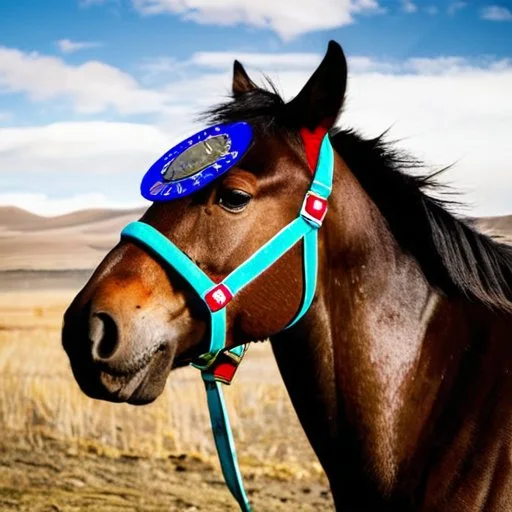
Mongolia's Cultural Renaissance
Ochirbat's election marked a turning point in Mongolia's cultural development, as the country began to reconnect with its rich heritage. For decades, the communist regime had suppressed traditional practices and customs, promoting a Soviet-style cultural uniformity instead.
With Ochirbat at the helm, Mongolia began to rediscover its nomadic roots, embracing its unique cultural identity. This cultural renaissance was marked by a resurgence of interest in traditional music, art, and literature.
The country's newfound openness also attracted international attention, with Mongolia becoming a hub for cultural exchange programs and collaborations. This era of cultural rebirth was a key aspect of Mongolia's democratization process, as the country began to forge its own path in the world.
Economic Reforms and Market Liberalization
Ochirbat's presidency was marked by a series of economic reforms aimed at liberalizing Mongolia's economy and reducing its dependence on Soviet aid. The country's command economy was dismantled, and state-owned enterprises were privatized or restructured.
The government also implemented policies to attract foreign investment, encourage entrepreneurship, and promote small and medium-sized enterprises. This shift towards a market-based economy had a profound impact on Mongolia's economic development, as the country began to integrate into the global economy.
The reforms also led to an increase in foreign trade, with Mongolia establishing new trade agreements with countries like China, Japan, and the United States. This economic liberalization paved the way for Mongolia's rapid economic growth in the following decades.