


The Naroda Patiya and Gulbarg Society massacres are two of the most heinous crimes in India's recent history, marking a dark period of religious violence in Gujarat. These brutal attacks, which claimed the lives of 97 people in Naroda Patiya and 69 in Gulbarg Society, will forever be etched in the memories of Indians and serve as a grim reminder of the devastating consequences of communal hatred.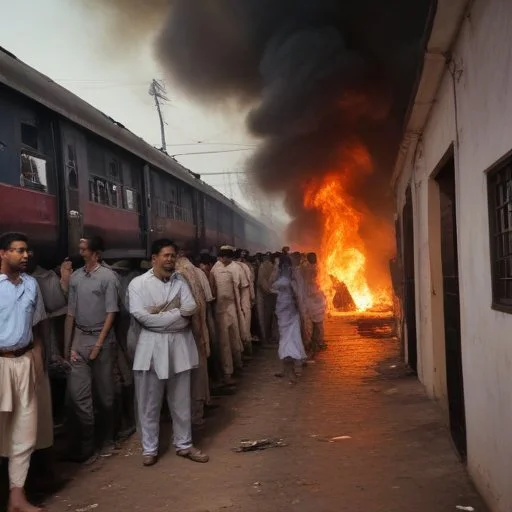
The events that unfolded on February 28, 2002, were a culmination of years of simmering tensions between Hindus and Muslims in Gujarat. The Godhra train burning incident, which occurred just days earlier, had already set the stage for the violence that was to come.
The attacks on Naroda Patiya and Gulbarg Society were not random acts of violence. They were meticulously planned and executed, with the perpetrators using tactics such as arson, looting, and mob violence to maximize casualties.
Eye-witness accounts reveal that the attackers were well-armed and well-organized, suggesting the involvement of organized groups. The police, who were accused of being complicit in the violence, failed to intervene, allowing the carnage to continue unabated.
The Naroda Patiya and Gulbarg Society massacres sent shockwaves across India, sparking widespread outrage and condemnation. The violence was eventually brought under control, but not before claiming over 1,000 lives and displacing thousands more.
The massacres also had a profound impact on Indian politics, with many accusing the ruling Bharatiya Janata Party (BJP) of being complicit in the violence. The BJP's chief minister, Narendra Modi, faced intense criticism for his handling of the situation, with some even calling for his resignation.
The Naroda Patiya and Gulbarg Society massacres will forever be remembered as a dark chapter in Gujarat's history. They serve as a grim reminder of the dangers of communal hatred and the devastating consequences of unchecked violence.
As India continues to grapple with the challenges of diversity and inclusion, the Naroda Patiya and Gulbarg Society massacres serve as a poignant reminder of the importance of promoting tolerance, understanding, and peace.
The historiography of the Naroda Patiya and Gulbarg Society massacres is marked by controversy and debate. While some historians have argued that the violence was a spontaneous reaction to the Godhra train burning incident, others have suggested that it was a premeditated attack orchestrated by Hindu nationalist groups.
Recent studies have shed new light on the role of the state government in facilitating the violence. Archives reveal that senior police officials were aware of the impending attacks but failed to take preventative measures.
Despite these revelations, many questions remain unanswered, and the search for truth and accountability continues to this day.
Ehsan Jafri, a former Congress MP, was one of the most high-profile victims of the Gulbarg Society massacre. A vocal advocate for secularism and human rights, Jafri was known for his efforts to promote communal harmony in Gujarat.
According to eyewitnesses, Jafri made repeated phone calls to senior government officials, including the chief minister, begging for protection. However, his pleas fell on deaf ears, and he was eventually dragged out of his home and brutally murdered.
Jafri's tragic fate serves as a powerful symbol of the devastating consequences of communal violence.The Naroda Patiya and Gulbarg Society massacres had a profound impact on Indian politics, with the ruling Bharatiya Janata Party (BJP) facing intense scrutiny over its role in the violence.
The event marked a turning point in the BJP's relationship with the Muslim minority, with many accusing the party of fostering a climate of hate and intolerance.
The aftermath of the massacres saw a significant shift in the political landscape of Gujarat, with the BJP's popularity among Muslims plummeting in the subsequent years.
The Naroda Patiya and Gulbarg Society massacres led to a mass exodus of Muslims from their homes in Gujarat, with many forced to flee to relief camps or migrate to other parts of the country.
This displacement had a profound impact on the social fabric of Gujarat, leading to a decline in communal harmony and an increase in segregation.
The long-term effects of this displacement are still being felt today, with many survivors struggling to rebuild their lives and communities.The Naroda Patiya and Gulbarg Society massacres had a profound impact on Indian culture, with many artists, writers, and musicians responding to the tragedy through their work.
The event inspired a wave of protest literature, with authors such as Rohinton Mistry and Amitav Ghosh addressing the themes of communal violence and social injustice.
The massacres also sparked a renewed debate about the role of art in promoting social change.