


Richard Reid's infamous attempt to destroy American Airlines Flight 63 by igniting explosives hidden in his shoes is an incident that will forever be etched in the annals of aviation history. This daring plot, which took place on December 22, 2001, thrust the world into a state of high alert, forcing airlines and governments to reevaluate their security protocols.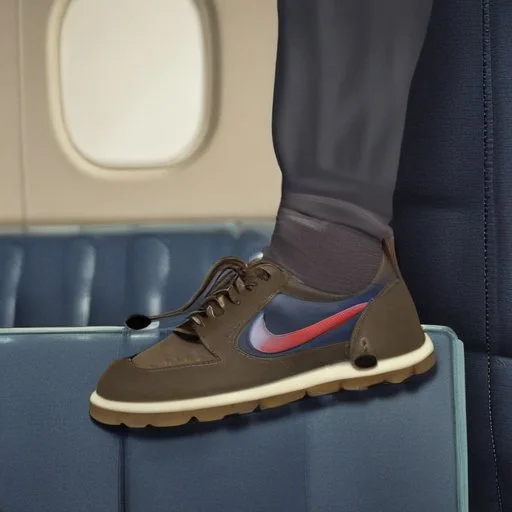
In the aftermath of the 9/11 attacks, the world was still reeling from the devastating loss of life and the sense of vulnerability that came with it. The aviation industry, in particular, was under immense scrutiny, as governments and airlines scrambled to implement new security measures to prevent similar attacks. It was against this backdrop that Richard Reid, a British citizen with alleged ties to al-Qaeda, hatched his plan to bring down Flight 63.
Reid, who had boarded the flight in Paris, attempted to detonate the explosives hidden in his shoes as the plane cruised over the Atlantic Ocean. However, his plan was foiled when a flight attendant noticed smoke emanating from his shoes. Quick-thinking passengers and crew members subdued Reid, and the plane made an emergency landing in Boston, where he was subsequently arrested and charged with attempted murder.
The foiled plot had far-reaching consequences for the aviation industry, leading to:
The attempted bombing of Flight 63 had a profound impact on popular culture, influencing:
The incident sparked heated debates around issues like racial profiling, airport security, and the balance between national security and personal freedoms. While some hailed the heroes who foiled the plot, others questioned the motives of the perpetrator and the effectiveness of airport security measures.
The attempted bombing of Flight 63 served as a catalyst for subsequent security enhancements, influencing the response to future aviation threats, including the 2006 transatlantic aircraft plot and the 2010 cargo plane bomb plot.
The heroic actions of the flight attendant, pilot, and crew were recognized with various awards and honors, including the FAA's Master Pilot Award and the International Air Transport Association's Safety Award.
A visual representation of the incident and its aftermath:
| December 22, 2001 | Richard Reid attempts to detonate explosives hidden in his shoes aboard American Airlines Flight 63. |
| December 22, 2001 | Flight attendant notices smoke coming from Reid's shoes, alerting the pilot and crew. |
| December 22, 2001 | Pilot makes emergency landing in Boston, where Reid is arrested and charged with attempted murder. |
| 2002 | Reid is convicted and sentenced to life imprisonment. |
Richard Reid's failed attempt to destroy American Airlines Flight 63 marked a turning point in aviation security, prompting a global reevaluation of airport protocols and procedures. As we reflect on this pivotal moment, we remember the bravery of the flight attendant, pilot, and crew, who risked their lives to protect the 197 passengers and crew members on board.
Richard Reid, the British citizen behind the attempted bombing of American Airlines Flight 63, was born on August 12, 1973, in Bromley, London. His early life was marked by a troubled youth, with Reid dropping out of school at the age of 16. He later converted to Islam and adopted the name Abdul Raheem.
Reid's radicalization is believed to have begun in the late 1990s, when he attended extremist mosques in London and frequented Islamist gatherings. His online activities and associations with known terrorists further fueled his extremist ideology.
Despite his connections to al-Qaeda, Reid acted alone in the failed bombing attempt, earning him the moniker "the lone wolf terrorist." His actions were motivated by a desire for martyrdom and a twisted sense of revenge against the West.

The concept of using shoes as a hiding place for explosives is not unique to Richard Reid. In the 1980s, a series of bombings in Colombia, known as the "Andean Lokos" attacks, involved perpetrators hiding explosives in their shoes.
In the years leading up to Reid's attempted bombing, intelligence agencies had received warnings about the potential use of shoes as a hiding place for explosives. However, it wasn't until Reid's foiled plot that the threat became a tangible reality.
The subsequent implementation of strict footwear security checks at airports worldwide marked a significant shift in aviation security protocols, highlighting the need for constant vigilance and adaptability in response to evolving terrorist tactics.
Richard Reid's attempted bombing of American Airlines Flight 63 has had a lasting impact on popular culture, symbolizing the vulnerabilities of modern air travel.
The term "shoe bomber" has become synonymous with lax airport security and the threat of terrorism. It has been referenced in films, TV shows, music, and literature, often serving as a metaphor for the anxiety and uncertainty of the post-9/11 era.
The incident has also inspired a new wave of security-themed art, with artists leveraging the symbolism of shoes and airports to explore themes of fear, surveillance, and the human condition.

The foiled plot highlighted the need for more advanced security screening technologies at airports. In response, the Transportation Security Administration (TSA) accelerated the development and deployment of explosives trace detection, advanced imaging technologies, and biometric identification systems.
The incident also spurred the adoption of intelligence-driven risk assessment models, enabling airport authorities to better anticipate and prepare for potential security threats.
TSA's shift towards a more proactive, intelligence-led approach has led to significant improvements in airport security, reducing the risk of similar plots and saving countless lives.
The attempted bombing of American Airlines Flight 63 had significant economic implications, with the global aviation industry incurring substantial losses in the aftermath.
The incident led to a temporary decline in air travel, resulting in increased security costs, reduced passenger numbers, and revenue losses for airlines and airports.
However, the long-term economic impact has been more positive, with the increased focus on security driving investment in airport infrastructure, creating new job opportunities, and stimulating innovation in the security technology sector.