


On December 30, 2000, a series of coordinated bombings rocked the bustling streets of Metro Manila, Philippines, killing 22 innocent people and injuring over a hundred. This devastating attack, which came on the 104th anniversary of Jose Rizal's death, sent shockwaves of fear and panic throughout the city.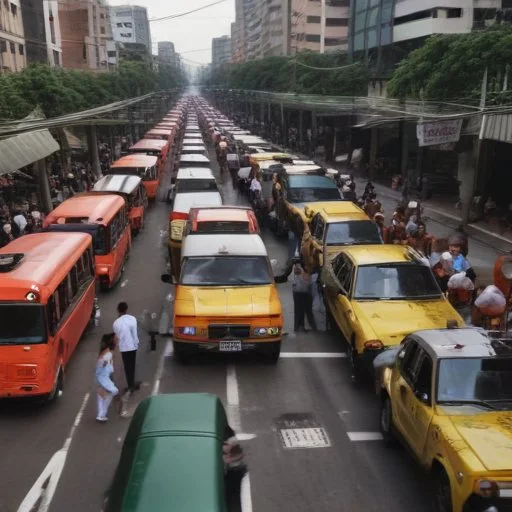
The bombings, which began at around 7 pm, targeted five different locations across the city. The iconic Plaza Ferguson in Quiapo, the bustling Gardoqui Street in Binondo, and the always-crowded Cubao bus terminal in Quezon City were among the areas affected.
The Rizal Day bombings sent the city into a state of panic and chaos. Authorities scrambled to respond to the attacks, with emergency services working tirelessly to rescue and treat the injured. The government swiftly condemned the attacks, vowing to bring those responsible to justice.
The Philippine government launched an investigation into the bombings, with authorities suspecting the involvement of the Abu Sayyaf militant group. However, no group claimed responsibility for the attacks, leaving many questions unanswered.
The Rizal Day bombings had a profound impact on the people of Metro Manila, leaving a sense of fear and uncertainty in its wake. The attack also led to a significant increase in security measures across the city, with authorities working to prevent similar attacks in the future.
Today, the Rizal Day bombings serve as a reminder of the importance of unity and resilience in the face of adversity. As the people of Metro Manila continue to rebuild and move forward, they remember the victims of that fateful day and honor their memory.
"I was on my way home from work when I heard the explosion. I saw people running and screaming, and I didn't know what was happening. It was chaos." - Maria, eyewitness
"I lost my brother in the bombing. It was a senseless act of violence that took an innocent life. I will never forget that day." - Juan, victim's family member
The Rizal Day bombings will always be remembered as a dark day in Metro Manila's history. As we honor the memory of the victims, we must also continue to work towards a future of peace and unity.
Let us never forget the lives lost on that fateful day, and let us strive to build a better tomorrow for all.
The Rizal Day bombings share eerie similarities with other coordinated attacks in Southeast Asia during the late 1990s and early 2000s. The 2002 Bali bombing in Indonesia, which killed over 200 people, and the 2003 Marriott Hotel bombing in Jakarta, which killed 12, demonstrate a pattern of terrorist groups targeting crowded areas and iconic landmarks. These attacks highlight the importance of regional cooperation and intelligence sharing in combating terrorist threats.
Another notable parallel can be drawn with the 1995 Oklahoma City bombing in the United States, which also targeted a busy metropolitan area and resulted in significant loss of life. While the motivations behind the attacks differ, the similarities in tactics and impact underscore the need for governments to remain vigilant and proactive in preventing such atrocities.

Historians have long debated the role of historical events in shaping national identity and collective memory. The Rizal Day bombings serve as a poignant case study, as they occurred on a day of great national significance in the Philippines. The attack's timing, coinciding with the 104th anniversary of Jose Rizal's death, raises questions about the symbolism and intent behind the perpetrators' actions.
Rizal, a national hero in the Philippines, is revered for his role in the country's struggle for independence and his advocacy for social and political reform. The bombings, which targeted areas of great cultural and historical significance, can be seen as an attempt to undermine the nation's sense of identity and unity.
The Rizal Day bombings had a profound impact on the cultural fabric of Metro Manila, leading to a shift in the way people lived, worked, and interacted with one another. The attacks prompted a heightened sense of vigilance, with many Filipinos becoming more cautious and security-conscious in their daily lives.
In the aftermath of the bombings, the city's cultural and artistic community came together to respond to the tragedy, with various forms of art and music being used as a means of healing and expression. The bombings also spurred a renewed sense of patriotism and national pride, as Filipinos rallied together to rebuild and move forward.

The Rizal Day bombings had significant economic implications for Metro Manila, with the tourism and retail sectors being particularly hard hit. The attacks led to a decline in tourist arrivals, as visitors became wary of traveling to areas perceived as high-risk.
Additionally, the bombings resulted in significant property damage and loss, with many businesses forced to close temporarily or permanently. The economic toll of the attacks was estimated to be in the millions, with the Philippine government providing support and assistance to affected businesses and individuals.
The Rizal Day bombings highlighted the need for improved security measures and intelligence gathering in the Philippines. The government's response to the attacks, including the prompt condemnation and investigation, demonstrated a commitment to addressing the threat of terrorism.
However, the bombings also raised questions about the effectiveness of the government's counter-terrorism strategies and the need for more robust measures to prevent such attacks in the future. The incident underscored the importance of political will and cooperation in addressing the complex and evolving threat of terrorism.