


The sinking of the RMS Lusitania on May 7, 1915, is one of the most infamous maritime disasters in history, claiming the lives of 1,198 people, including women and children, and drawing the United States into World War I.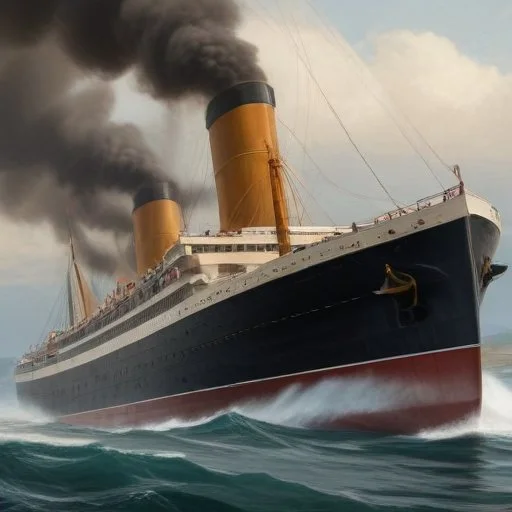
On May 1, 1915, the RMS Lusitania, a British luxury steamship, set sail from New York City on its 202nd and final voyage across the North Atlantic. The ship was a symbol of elegance and luxury, boasting lavish amenities and accommodations for its over 1,900 passengers.
Captained by William Thomas Turner, the Lusitania was on a routine voyage from New York to Liverpool, unaware of the danger lurking beneath the surface. The German U-boat U20, commanded by Walther Schwieger, had been patrolling the North Atlantic, waiting for its next target.
In the days leading up to the voyage, the German embassy in Washington D.C. had issued a warning to American citizens, stating that the waters around Great Britain were a war zone and that any ships sailing into those waters did so at their own risk. The warning was published in several American newspapers, including the New York Times.
Additionally, the British Admiralty had received intelligence that U-boats were operating in the area, but no alerts were sent to the Lusitania or its passengers. It was a grave mistake that would cost many lives.
On May 7, 1915, at 2:10 pm, the Lusitania was struck by a single torpedo from the U20, off the coast of County Cork, Ireland. The ship sank just 18 minutes later, taking over 1,000 people with it. The tragedy was met with shock and outrage around the world.
The survivors, many of whom were left stranded in the freezing waters, were eventually rescued by the crew of the SS Carpathia, which had arrived on the scene several hours later. The survivors were taken aboard and given medical attention, but the trauma of the event would stay with them forever.
The sinking of the Lusitania had a profound impact on world events. The tragedy galvanized public opinion in the United States, turning a nation previously committed to neutrality into a major player in World War I.
It also led to significant changes in maritime safety regulations, including the use of convoys and the implementation of a system for reporting the location of ships at sea.
The Lusitania's tragic fate serves as a poignant reminder of the devastating consequences of war. Today, the ship's legacy lives on, with memorials and museums dedicated to its memory.
As we reflect on this tragic event, we honor the lives lost and pay tribute to the bravery of those who fought to save them.
The Lusitania's story is a powerful reminder of the human cost of war and the importance of honoring the memories of those who have been lost.
As we navigate the complexities of modern life, we would do well to remember the lessons of the past, and strive to create a world where such tragedies are never repeated.
Captain Turner was a 26-year veteran of the Cunard Line, with a reputation for being a skilled and conscientious commander. Born in 1856, he had risen through the ranks, earning his master's certificate in 1886. Turner had commanded several ships, including the RMS Lusitania, for over 10 years, making him one of the most experienced captains of his time.
Despite his extensive experience, Turner was criticized for his role in the sinking of the Lusitania. An inquiry into the disaster would later find him partly responsible, citing his decision to steam at full speed in a known war zone as a contributing factor. This criticism had a profound impact on Turner, who retired from the Cunard Line shortly after the incident.
In the years leading up to World War I, tensions between Germany and Great Britain had been escalating. The British Navy's dominance of the seas had long been a thorn in Germany's side, and the country was eager to challenge its rival. Germany's decision to engage in unrestricted submarine warfare was seen as a key strategic move, aimed at disrupting British supply lines and forcing the country to negotiate.
The sinking of the Lusitania was part of a larger campaign by Germany to sink merchant ships, including those carrying civilians, in an effort to strangle Britain's economy. This tactic was seen as a necessary evil by the German government, which believed that the British people would pressure their government to negotiate a peace settlement once they felt the economic pinch.
The sinking of the Lusitania had a profound impact on popular culture, both in the United States and Europe. The tragedy was met with widespread outrage and shock, with many seeing it as a brutal example of German aggression. Poems, songs, and films were created in response to the tragedy, often portraying the Germans as brutal and heartless.
The incident also had a significant impact on the art world, with many artists and writers responding to the tragedy. The famous poet, Rupert Brooke, wrote a sonnet in response to the sinking, while artists like Frederick Spencer Gore and Norman Wilkinson created haunting images of the disaster.
The sinking of the Lusitania had significant economic implications for both Germany and Great Britain. The British economy was severely impacted, with trade and commerce disrupted by the loss of the ship and its cargo. The incident also led to a surge in shipping insurance rates, making it even more difficult for British merchants to operate.
In the United States, the sinking of the Lusitania led to a significant increase in arms sales to Great Britain and France. American businesses, like DuPont and Bethlehem Steel, profited greatly from the increased demand for munitions and other war materials.
In the days leading up to the Lusitania's departure, the German embassy in Washington D.C. published a warning in several American newspapers, including the New York Times. The notice, which was titled "Notice to Travelers," warned Americans of the dangers of sailing on British ships in the war zone.
The advertisement, often seen as a cynical attempt to shift the blame, has been the subject of much debate among historians. Was it a legitimate warning, or a cheap attempt to justify the sinking of the Lusitania? Regardless, the advertisement remains a powerful symbol of the propaganda war that raged alongside the conflict on the battlefield.