


On January 13, 1966, President Lyndon B. Johnson ushered in a new era of racial equality by appointing Robert C. Weaver as the first African American Cabinet member in U.S. history, tasking him with leading the newly created Department of Housing and Urban Development (HUD). This groundbreaking appointment marked a major milestone in the struggle for civil rights, as Weaver's elevation to the nation's highest executive branch symbolized a commitment to increased diversity and representation in government.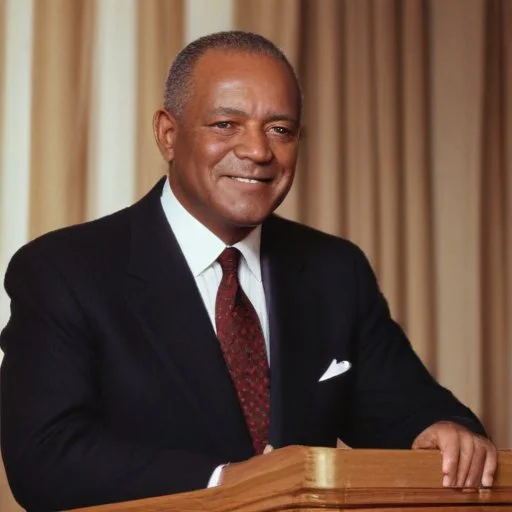
Weaver's appointment was more than just a symbolic gesture; it was a testament to his exceptional leadership skills, extensive experience in public administration, and expertise in urban planning. As the first director of the Federal Housing Administration in 1937, Weaver played a key role in shaping the nation's housing policies. His work at the Federal Housing Administration earned him recognition as a champion of affordable housing, and his commitment to social justice made him an ideal fit for the newly created HUD.
In addition to Weaver, President Johnson's administration was marked by a series of appointments that challenged the status quo. The 1960s saw a significant influx of African Americans in high-ranking positions, including Andrew Brimmer, the first African American member of the Federal Reserve Board, and Thurgood Marshall, the first African American Supreme Court Justice. Weaver's appointment, however, marked a critical moment in this wave of change, as it signaled the administration's commitment to diversifying the highest echelons of government.
HUD, established in 1965, was a revolutionary concept in itself. The department's creation marked a recognition of the urgent need to address the nation's housing crisis, which disproportionately affected low-income and minority communities. Weaver's leadership at HUD was instrumental in shaping the department's early initiatives, including the Fair Housing Act of 1968, which outlawed housing discrimination based on race, religion, and national origin.
Weaver's tenure at HUD had a profound impact on the nation's urban landscape. Under his leadership, the department launched innovative programs aimed at revitalizing distressed urban areas, promoting affordable housing, and supporting community development. His work laid the foundation for future HUD secretaries to build upon, and his legacy continues to inspire generations of policymakers and urban planners.
"The fact that we have had full employment, the fact that we have had a high level of economic growth, does not mean that we do not have some very serious economic problems... I think we have made significant progress, but I think we have a long way to go." - Robert C. Weaver, on the importance of continued focus on economic development
Weaver's appointment paved the way for future generations of African American leaders in government. His trailblazing work inspired individuals such as Shirley Chisholm, the first African American Congresswoman, and Colin Powell, the first African American Chairman of the Joint Chiefs of Staff. Today, Weaver's legacy continues to inspire individuals from diverse backgrounds to pursue careers in public service.
Weaver's contributions to public service were recognized with numerous awards and honors, including the Presidential Medal of Freedom, the nation's highest civilian honor. In 1966, he received the Spingarn Medal, the NAACP's highest award for outstanding achievement.
Weaver's remarkable journey serves as a testament to the power of perseverance and determination. From his early days as a young man from Brookline, Massachusetts, to his appointment as the nation's first African American Cabinet member, Weaver's life is a shining example of what can be achieved through hard work and dedication to public service.
Early Life and Education
Robert C. Weaver was born on December 29, 1907, in Brookline, Massachusetts, to a middle-class family. His parents, Mortimer Grove Weaver and Florence Freeman Weaver, instilled in him the importance of education and public service. Weaver's early life was marked by academic excellence, and he went on to attend Harvard University, where he earned his Bachelor's degree in 1929 and his Master's degree in 1931. His educational background laid the foundation for his future success in public administration.
Weaver's academic achievements were complemented by his extracurricular activities, which included membership in the Alpha Phi Alpha fraternity, the first intercollegiate Greek-letter fraternity established for African Americans. This experience helped shape his leadership skills and commitment to social justice.

The Economic Impact of HUD
The creation of the Department of Housing and Urban Development (HUD) in 1965 had a significant impact on the U.S. economy. Under Weaver's leadership, HUD implemented policies aimed at revitalizing distressed urban areas, promoting affordable housing, and supporting community development. These initiatives not only improved the lives of millions of Americans but also generated economic growth and job creation.
One of the most notable economic achievements of HUD during Weaver's tenure was the reduction of urban poverty. By providing access to affordable housing and community resources, HUD helped to reduce poverty rates in urban areas, which in turn reduced the burden on local economies and improved overall economic stability.
Weaver's Impact on Urban Planning
Robert C. Weaver's appointment as the first Secretary of Housing and Urban Development marked a significant shift in urban planning policies. His expertise in urban planning and commitment to social justice led to the development of innovative programs aimed at revitalizing distressed urban areas. Weaver's work at HUD helped to shift the focus of urban planning from purely aesthetic considerations to a more holistic approach that prioritized community needs and social equity.
Weaver's influence on urban planning extended beyond his tenure at HUD. His work inspired subsequent generations of urban planners and policymakers to adopt more inclusive and equitable approaches to urban development.

Weaver's Leadership Style
Robert C. Weaver's leadership style was characterized by his commitment to social justice, his expertise in public administration, and his ability to build consensus. As the first African American Cabinet member, Weaver faced significant challenges, but he navigated these obstacles with grace and diplomacy.
Weaver's leadership style was also marked by his willingness to listen to diverse perspectives and build coalitions. His ability to bring together individuals from different backgrounds and political persuasions helped to advance the goals of HUD and promote meaningful social change.
Weaver's Place in History
Robert C. Weaver's appointment as the first African American Cabinet member in 1966 marked a significant turning point in American history. This event occurred at a time when the civil rights movement was gaining momentum, and Weaver's elevation to the nation's highest executive branch symbolized a commitment to increased diversity and representation in government.
Weaver's legacy extends beyond his historical significance, however. His work at HUD helped to shape the trajectory of urban planning and public policy in the United States, and his commitment to social justice continues to inspire generations of policymakers and urban planners.