


Robert Walpole, a shrewd politician and master strategist, holds the distinction of being the first de facto Prime Minister of Great Britain, a title he humbly refused to accept. Yet, his profound influence on British politics marked the beginning of a new era, setting a precedent for future leaders to come.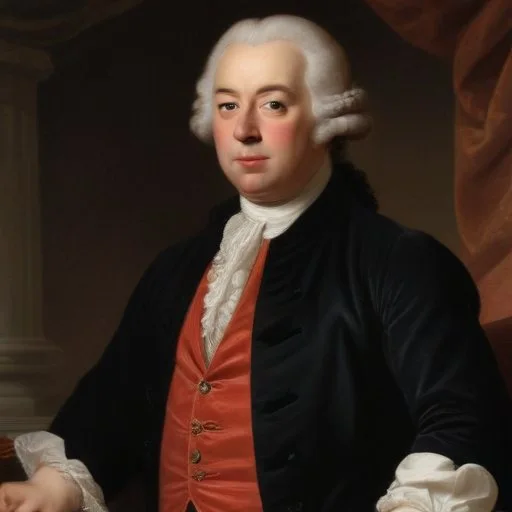
In the early 18th century, Great Britain was undergoing a significant transformation. The Glorious Revolution of 1688 had established a constitutional monarchy, and the Bill of Rights had limited the power of the monarch. As the country navigated these changes, a power vacuum emerged, waiting to be filled by a skilled and ambitious leader.
A prominent Whig politician, Walpole leveraged his charm, intellect, and oratory skills to ascend the political ladder. He strategically aligned himself with King George I, securing key appointments and building a strong relationship with the monarch. Walpole's appointment as Chancellor of the Exchequer in 1715 marked the beginning of his dominance, as he effectively managed the country's finances and consolidated power.
Walpole's meteoric rise was fueled by his ability to build alliances, manipulate policies, and navigate the complexities of court politics. He:
Through these maneuvers, Walpole became the de facto leader of Great Britain, wielding significant influence over policy and governance.
Walpole's dominance marked a significant shift in British politics. His leadership style, marked by its pragmatism and willingness to compromise, set a precedent for future Prime Ministers. His refusal to accept the title of Prime Minister, despite his obvious dominance, underscored his humility and commitment to serving the monarch.
Walpole's legacy extends far beyond his own tenure. His leadership style, tactics, and policies have inspired countless politicians, shaping the course of British history. His influence can be seen in the development of the modern Prime Minister's role, and his commitment to serving the nation has become a benchmark for future leaders.
"I am not fond of the title of Prime Minister, for it is a false and unconstitutional title." - Robert Walpole
This quote, though humble, belies the immense power and influence Walpole wielded during his time in office. His reluctance to accept the title of Prime Minister highlights his commitment to serving the nation, rather than seeking personal glory.
In conclusion, Robert Walpole's rise to power marked a significant turning point in British politics, setting the stage for the development of the modern Prime Minister's role. His leadership, marked by its pragmatism, strategic thinking, and commitment to serving the nation, has left an indelible mark on British history.
The rise of Robert Walpole to power can be compared to other notable leaders in history who have similarly consolidated power and shaped the course of their nations. One such example is Cardinal Richelieu, who dominated French politics during the 17th century. Like Walpole, Richelieu leveraged his intelligence, strategic thinking, and relationships with key figures to build a powerful machine that propelled him to the top of the political hierarchy. Both leaders were masterful in their ability to navigate the complexities of court politics and manipulate policy to their advantage.
Another notable comparison can be made with Otto von Bismarck, who unified Germany in the late 19th century. Like Walpole, Bismarck was a skilled politician who understood the importance of strategic alliances and compromise. He cleverly manipulated the complex web of European alliances to achieve his goals, much like Walpole navigated the intricate dynamics of British politics.

Robert Walpole's personal life was marked by a complex web of relationships and alliances that helped shape his political career. His marriage to Catherine Shorter, a wealthy widow, brought him significant financial stability and connections to influential figures in society. Walpole's charm and charisma also earned him a reputation as a ladies' man, with several alleged affairs that threatened to tarnish his reputation.
Despite his personal flaws, Walpole was deeply devoted to his family and was known to prioritize their interests above his own. His relationship with his son, Horace Walpole, was particularly close, with Horace serving as a trusted advisor and confidant throughout his father's career.
The economic impact of Robert Walpole's leadership was far-reaching and profound. His management of the country's finances, particularly during the South Sea Company crisis, helped avert a national disaster and restored confidence in the British economy. Walpole's policies also led to a significant increase in trade and commerce, with Britain's economy growing steadily during his tenure.
The Septennial Act, which extended the life of Parliament from three to seven years, also had a positive impact on the economy. By reducing the frequency of elections, the act helped to create a more stable political environment, which in turn attracted investment and fueled economic growth.

The geopolitics of Europe during the early 18th century played a significant role in shaping Robert Walpole's rise to power. The War of the Spanish Succession had left Britain financially drained, and the country was struggling to maintain its influence in European affairs. Walpole's ability to navigate these complexities and secure key alliances helped to strengthen Britain's position on the international stage.
The Hanoverian dynasty, which had recently assumed the British throne, was also a significant factor in Walpole's success. His close relationship with King George I helped to secure his position and influence policy, particularly in regards to foreign affairs.
Historians have long debated the significance of Robert Walpole's rise to power, with some viewing him as a brilliant leader who stabilized British politics and others seeing him as a cunning opportunist who manipulated the system for personal gain. More recent scholarship has sought to reevaluate Walpole's legacy, placing his achievements within the broader context of British history and the development of the modern Prime Minister's role.
One notable interpretive framework is the "Walpole thesis," which argues that Walpole's leadership marked a significant turning point in British politics, paving the way for the development of a more centralized and bureaucratic state. This perspective sees Walpole as a key figure in the evolution of British governance, rather than simply a skilled politician who happened to hold power.