


Lafontant's rise to power was rooted in his loyalty to Duvalier, Haiti's dictator from 1957 to 1971. As the leader of the Tonton Macoute, Lafontant wielded significant influence and fear, wielding an iron fist over the population. After Duvalier's exile, Lafontant fled to the Dominican Republic, only to return in 1990, sensing an opportunity to seize power once again.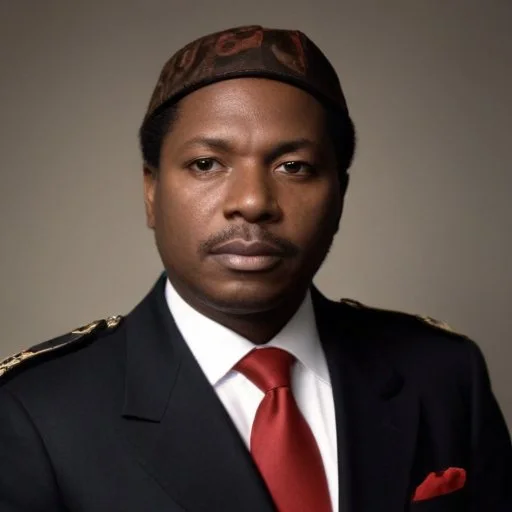
On January 7, 1991, Lafontant's men launched a surprise attack on the National Palace, the symbol of Haiti's government. The bold move caught the authorities off guard, and for a brief moment, it seemed as though Lafontant's plan might succeed. However, the Haitian military, bolstered by international pressure, quickly rallied and quashed the uprising.
As the dust settled, Lafontant was taken into custody, marking a decisive end to his bid for power. The failed coup attempt brought relief to Haitians who had lived through the Duvalier era's terror and paved the way for the country's continued struggle towards democracy and stability.
In the aftermath of the coup, many Haitians shared stories of fear and relief. One eyewitness recalled, "I was in the market when I heard the gunfire. I didn't know what was happening, but I knew it was bad. When I heard Lafontant was arrested, I felt a weight lift off my shoulders."
The failed coup attempt serves as a reminder of the dangers of authoritarianism and the importance of protecting democratic institutions. It also highlights the resilience of the Haitian people, who have continued to strive for democracy and stability in the face of adversity.
"The spirit of the Haitian people cannot be crushed by the dictator's iron fist." - Anonymous Haitian citizen, 1991
The failed coup attempt bears similarities to other instances of authoritarian regimes attempting to reassert power, such as the 1981 Spanish coup attempt or the 1993 Russian constitutional crisis. In each case, the resilience of democratic institutions and the determination of the people ultimately prevailed.
The failed coup attempt paved the way for Haiti's continued struggle towards democracy and stability. It also served as a warning to would-be authoritarians, demonstrating the importance of protecting democratic institutions and the power of international pressure.
Roger Lafontant's failed coup attempt serves as a testament to the strength of the Haitian people and the importance of protecting democratic institutions. As Haiti continues to navigate its complex history, the event stands as a reminder of the dangers of authoritarianism and the importance of striving for democracy and stability.
Roger Lafontant's life was marked by a meteoric rise to power and a dramatic fall from grace. Born in 1931, Lafontant joined the Tonton Macoute militia at a young age and quickly rose through the ranks, earning the favor of Francois Duvalier.
Under Duvalier's regime, Lafontant became notorious for his brutality and ruthlessness, earning the fear and respect of Haitians. However, his fortunes changed with Duvalier's exile, and Lafontant was forced to flee to the Dominican Republic.
Despite his eventual return to Haiti, Lafontant's bid for power was short-lived, and his failed coup attempt marked the end of his reign of terror.

Francois Duvalier's regime, which lasted from 1957 to 1971, was marked by brutal repression and human rights abuses. The Tonton Macoute, led by Lafontant, was instrumental in maintaining Duvalier's grip on power.
The militia's tactics included intimidation, torture, and murder, striking fear into the hearts of Haitians. Lafontant's leadership and loyalty to Duvalier earned him a prominent position in the regime.
The Duvalier era's legacy of violence and authoritarianism set the stage for Lafontant's attempted coup, which was an attempt to revive the dark days of Haitian history.
Roger Lafontant's failed coup attempt shares similarities with other instances of authoritarian regimes attempting to reassert power. The 1981 Spanish coup attempt, led by Antonio Tejero, and the 1993 Russian constitutional crisis, led by Ruslan Khasbulatov, are two examples.
In each case, the resilience of democratic institutions and the determination of the people ultimately prevailed. The failed coups highlight the importance of protecting democratic institutions and the power of international pressure.
Lafontant's coup attempt, while unique in its context, is part of a larger pattern of authoritarian regimes attempting to reclaim power.

Haiti's location in the Caribbean, bordered by the Dominican Republic, has long made it a hotspot of geopolitical tensions. The country's complex history, marked by colonialism, slavery, and occupation, has created a fragile political landscape.
The Duvalier regime's brutal suppression of dissent and the subsequent instability created an environment ripe for Lafontant's coup attempt. The international community's involvement in quashing the uprising highlights the delicate balance of power in the region.
Haiti's geopolitical context continues to shape its struggle for democracy and stability, making it a critical point of interest for regional and global powers.
Roger Lafontant's failed coup attempt had far-reaching political consequences, cementing Haiti's transition towards democracy. The event marked a turning point in the country's struggle for stability, as it demonstrated the resilience of democratic institutions.
The political fallout also led to increased international pressure on Haiti's government, pushing for greater accountability and transparency. Lafontant's defeat paved the way for subsequent democratic reforms, shaping the country's political landscape.
Today, Lafontant's legacy serves as a cautionary tale, reminding Haitians of the dangers of authoritarianism and the importance of protecting democratic institutions.