


On September 7, 1940, Romania reluctantly ceded Southern Dobruja to Bulgaria, a strategic region nestled between the Danube River and the Black Sea, under the Treaty of Craiova. This marked a significant turning point in the regional power dynamics, as Bulgaria gained control over a vital territory that would shape the course of European history.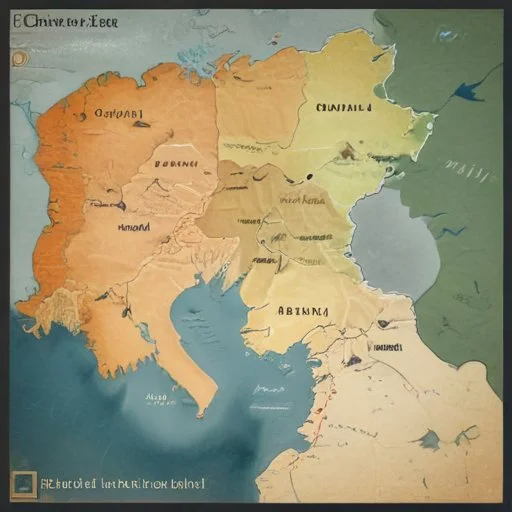
The Treaty of Craiova was not an isolated event, but rather the culmination of centuries of complex history and rivalry between Romania and Bulgaria. Since the Middle Ages, the two nations had vied for control over the Dobruja region, with its fertile plains and access to the Black Sea.
The region's strategic importance was heightened by its position as a crossroads between Eastern Europe, the Balkans, and the Mediterranean. The Ottoman Empire, Russia, and other European powers had all sought to exert their influence over the region, further complicating the already contentious relationship between Romania and Bulgaria.
The Treaty of Craiova was the result of intense diplomatic pressure from Nazi Germany and Fascist Italy, who sought to expand their spheres of influence in Eastern Europe. King Carol II of Romania, faced with the threat of German and Italian invasion, was forced to relinquish control over Southern Dobruja to Bulgaria.
Meanwhile, Bulgaria's King Boris III saw the treaty as an opportunity to strengthen his country's position and secure its borders. The deal was brokered by Italian Foreign Minister Galeazzo Ciano, who sought to maintain a balance of power in the region and prevent further German expansion.
The Treaty of Craiova had far-reaching consequences, as Bulgaria gained control over a vital territory and strengthened its position in the region. Romania, on the other hand, was forced to cede a strategic region, weakening its influence and creating a power vacuum that would be filled by Germany and Italy.
The treaty also marked a significant shift in the regional balance of power, as Bulgaria became a key player in the Axis alliance and Romania was forced to rely increasingly on Germany and Italy for protection.
The Treaty of Craiova had significant cultural and social implications, as the Dobruja region was home to a diverse population of Romanians, Bulgarians, Turks, and other ethnic groups. The treaty led to a forced exchange of populations, as tens of thousands of Romanians were forced to flee Southern Dobruja and Bulgarians were resettled in the region.
This turmoil created lasting divisions between Romanians and Bulgarians, as both nations struggled to come to terms with the loss of territory and the forced relocation of their citizens.
The region of Dobruja had been a prized possession for both Romania and Bulgaria for centuries, with each country claiming historical rights to the territory. The Ottoman Empire, which had once controlled the region, was forced to cede Dobruja to Bulgaria in 1878, following the Russo-Turkish War. However, Romania occupied the region during World War I, and it remained under Romanian control until the Treaty of Craiova in 1940.
The complex history of Dobruja was marked by frequent changes in ownership, with various empires and nations vying for control over the region. The ancient Greeks, Romans, and Byzantines had all established settlements in Dobruja, and the region's strategic location made it a coveted prize for many European powers.
The Treaty of Craiova marked a significant turning point in the history of Dobruja, as Bulgaria gained control over the region and Romania was forced to cede its claims.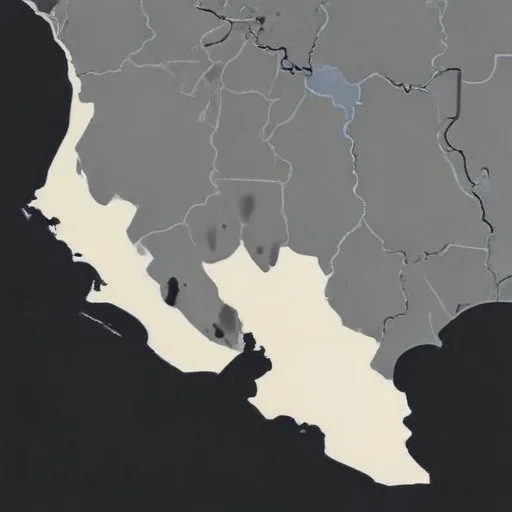
King Boris III of Bulgaria was a shrewd and cunning leader who played a crucial role in securing the Treaty of Craiova. Born in 1894, Boris was a member of the House of Saxe-Coburg and Gotha, and he ascended to the throne in 1918 following the abdication of his father, Ferdinand I.
During World War II, Boris III walked a tightrope between Nazi Germany and the Soviet Union, seeking to maintain Bulgaria's independence and sovereignty. His diplomatic efforts eventually paid off, as Bulgaria secured the Treaty of Craiova and gained control over Southern Dobruja.
Boris III's leadership during World War II remains a topic of debate among historians, with some viewing him as a hero who protected Bulgaria's interests, while others criticize his collaboration with Nazi Germany.
The Treaty of Craiova had significant cultural implications for the people of Dobruja, as tens of thousands of Romanians were forced to flee the region and Bulgarians were resettled in their place. This forced exchange of populations led to a disruption in the cultural identity of the region, as traditional communities were torn apart and new ones were formed.
The cultural heritage of Dobruja was also affected, as historic landmarks, churches, and monuments were either destroyed or repurposed by the new Bulgarian administration. The region's rich cultural diversity was further complicated by the presence of Turkish, Greek, and other minority communities, who struggled to maintain their identities in the face of forced assimilation.
The cultural impact of the Treaty of Craiova continues to be felt today, as Romanians and Bulgarians continue to grapple with the legacy of forced population exchanges and cultural suppression.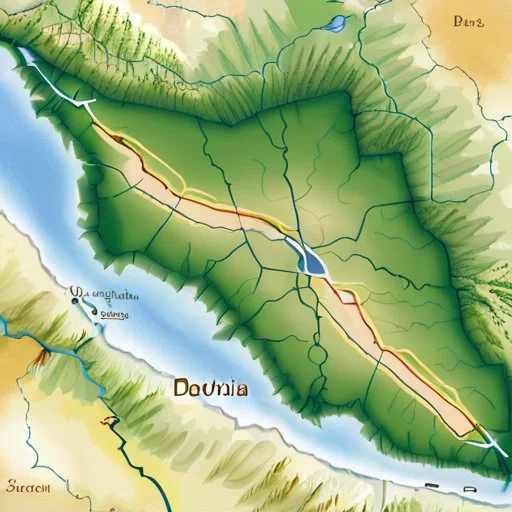
The Treaty of Craiova marked a significant shift in the geopolitical balance of power in Eastern Europe, as Bulgaria became a key player in the Axis alliance and Romania was forced to rely increasingly on Germany and Italy for protection. The treaty also marked the beginning of a new era of German and Italian influence in the region, as both countries sought to expand their spheres of influence.
The strategic location of Dobruja made it a vital prize for European powers, as it controlled access to the Black Sea and provided a gateway to the Mediterranean. The region's proximity to the Soviet Union also made it a key location for strategic military planning and diplomatic maneuvering.
The Treaty of Craiova was a crucial event in the lead-up to World War II, as it marked the beginning of a new era of great power rivalries and strategic alliances in Eastern Europe.
The Treaty of Craiova was the result of intense diplomatic pressure from Nazi Germany and Fascist Italy, who sought to expand their spheres of influence in Eastern Europe. King Carol II of Romania, faced with the threat of German and Italian invasion, was forced to relinquish control over Southern Dobruja to Bulgaria.
The treaty marked a significant turning point in Romania's foreign policy, as the country was forced to abandon its policy of neutrality and seek protection from Germany and Italy. The treaty also marked the beginning of a new era of Romanian subservience to Nazi Germany, as the country became increasingly dependent on German economic and military aid.
The Treaty of Craiova was a classic example of realpolitik, as Romania was forced to make a difficult choice between ceding territory and risking invasion.