


In October 1986, the world held its breath as two of the most powerful leaders of the time, Ronald Reagan and Mikhail Gorbachev, convened in Reykjavik, Iceland, to discuss a monumental step towards disarmament. This historic meeting, known as the Reykjavik Summit, was a crucial turning point in the Cold War, marking a significant shift towards reducing the threat of nuclear war.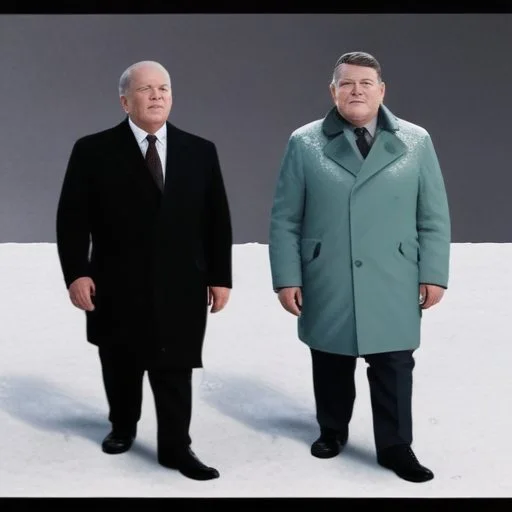
The Reykjavik Summit was a culmination of years of diplomatic efforts to ease the tensions between the United States and the Soviet Union. The two superpowers had been locked in a fierce arms race, each amassing a staggering arsenal of intermediate-range ballistic missiles (IRBMs) in Europe. The meeting was a testament to the willingness of both leaders to take a step back from the brink of nuclear catastrophe and engage in meaningful dialogue.
Ronald Reagan, the 40th President of the United States, was a staunch anti-communist who had built his reputation on his tough stance against the Soviet Union. Mikhail Gorbachev, the General Secretary of the Communist Party of the Soviet Union, was a reformer who sought to revitalize the Soviet economy and introduce democratic reforms. The meeting of these two opposing ideologies was a remarkable development, and their ability to find common ground was a testament to their leadership and vision.
Over two days, Reagan and Gorbachev engaged in intense negotiations, discussing the reduction of IRBMs in Europe. The meeting was marked by a sense of candor and openness, with both leaders expressing their concerns and aspirations. The Reykjavik Summit did not produce a formal agreement, but it did pave the way for future disarmament talks and marked a significant shift in the tone of the Cold War.
The Reykjavik Summit was a watershed moment in modern history, marking a turning point in the Cold War. The meeting demonstrated that even the most unlikely of leaders could find common ground and work towards a more peaceful future. The summit's legacy can be seen in the disarmament agreements that followed, including the Intermediate-Range Nuclear Forces Treaty (INF) signed in 1987.
The Reykjavik Summit serves as a powerful reminder of the importance of diplomacy and dialogue in resolving even the most intractable conflicts. As Reagan and Gorbachev demonstrated, leadership, vision, and a willingness to engage in meaningful dialogue can lead to breakthroughs that shape the course of history.
"A nuclear war cannot be won and must never be fought. The only way to win is not to play." - Ronald Reagan
"The measures we have proposed would bring us closer to a world free of nuclear weapons. And that is a goal we must all strive for." - Mikhail Gorbachev
Ronald Reagan was awarded the Presidential Medal of Freedom in 1993, the highest civilian honor in the United States.
Mikhail Gorbachev was awarded the Nobel Peace Prize in 1990 for his efforts to reform the Soviet Union and promote international peace and cooperation.
The Reykjavik Summit was not an isolated event, but rather the culmination of years of diplomatic efforts to ease tensions between the United States and the Soviet Union. The 1980s saw a series of high-level meetings between American and Soviet officials, including a 1985 Geneva Summit between Reagan and Gorbachev that laid the groundwork for Reykjavik.
In the years leading up to the summit, both superpowers had engaged in a series of military buildups and proxy wars, fueling fears of nuclear escalation. The deployment of American Pershing II missiles in Europe and the Soviet Union's response with its SS-20 missiles had brought the continent to the brink of nuclear catastrophe.
Against this backdrop, the Reykjavik Summit represented a crucial opportunity for the two leaders to find common ground and reduce the risk of nuclear war.

Ronald Reagan's rise to power was fueled by his staunch anti-communist views, which he had honed during his years as a leader in the Screen Actors Guild and as Governor of California. Reagan's tough stance on communism had earned him the nickname "the Great Communicator," and he rode this reputation to a landslide victory in the 1980 presidential election.
Reagan's anti-communist credentials were matched only by his commitment to arms buildup. He famously declared that the Soviet Union was an "evil empire" and vowed to strengthen American defenses to counter the Soviet threat.
Yet, despite his hardline stance, Reagan was also a pragmatist who recognized the need for diplomacy. His willingness to engage with Gorbachev at Reykjavik marked a significant departure from his earlier rhetoric, and demonstrated a newfound flexibility in his approach to Soviet relations.
The Reykjavik Summit marked a turning point in the Cold War, but it also offered a rare glimpse into the cultural and ideological fault lines of the Soviet Union. Mikhail Gorbachev's reforms, which had begun to liberalize the Soviet economy and introduce democratic reforms, were seen as a rebuke to the Stalinist model of communist orthodoxy.
Gorbachev's presence at Reykjavik, and his willingness to engage with Reagan on issues of disarmament and human rights, sent a powerful signal to the Soviet people about the possibilities of reform and openness. The summit helped to galvanize a sense of hope and optimism among Soviet citizens, many of whom saw Gorbachev as a symbol of a more democratic and enlightened future.
The Reykjavik Summit also marked a cultural watershed, as it brought together leaders from two vastly different ideological and cultural traditions. The meeting symbolized a new era of cooperation and exchange between East and West, and helped to pave the way for greater cultural and intellectual exchange in the years to come.

The Reykjavik Summit produced a range of documents and artifacts that provide unique insights into the negotiations and discussions that took place. One of the most significant of these is the Reykjavik Memorandum, a 1986 document that outlines the joint understanding reached by Reagan and Gorbachev on the reduction of intermediate-range nuclear forces (INF) in Europe.
The memorandum, which was signed by both leaders, commits the two nations to a framework for reducing INF missile deployments in Europe. The document outlines a series of steps, including the elimination of all INF missiles from Europe and the establishment of a verification mechanism to ensure compliance.
The Reykjavik Memorandum offers a fascinating window into the negotiations and compromise that characterized the summit. It demonstrates the ability of both leaders to find common ground, even on the most contentious issues, and highlights the significance of the Reykjavik Summit as a milestone in the Cold War.
The Reykjavik Summit marked a significant turning point in the Cold War, but it also had important economic implications for both the United States and the Soviet Union. The agreement to reduce intermediate-range nuclear forces (INF) in Europe, for example, would require significant investments in verification and monitoring technologies, as well as the dismantling and destruction of existing INF missile systems.
The economic costs of disarmament were not insignificant. The United States alone spent an estimated $100 billion on INF missile deployments in Europe during the 1980s, and the Soviet Union invested comparable sums in its own INF programs.
Yet, despite these costs, the Reykjavik Summit also offered significant economic benefits. The reduction of nuclear arsenals and the easing of tensions between the two superpowers helped to reduce the economic burden of military spending, freeing up resources for other priorities and stimulating economic growth.