


On a momentous day in September 1991, the Russian parliament made history by approving the name change of Leningrad back to its original name, Saint Petersburg. This change, effective October 1, marked a significant milestone in Russia's post-Soviet identity, symbolizing the country's desire to reconnect with its imperial past and forge a new path forward.
Saint Petersburg, founded in 1703 by Peter the Great, is a city steeped in history and architecture. Dubbed the "Venice of the North" due to its picturesque canals and ornate bridges, Saint Petersburg boasts a majestic beauty that has captivated visitors for centuries. From the grandeur of the Winter Palace to the splendor of the Hermitage Museum, the city's cultural treasures are a testament to its rich heritage.
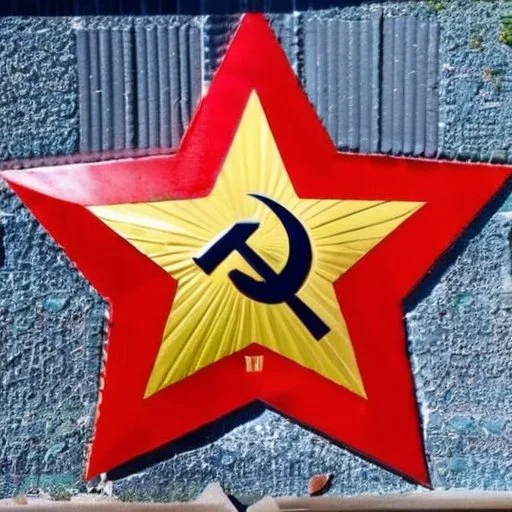
In 1924, following the Russian Revolution, the city's name was changed to Leningrad in honor of Vladimir Lenin, the Soviet Union's first leader. This change was part of a broader effort to erase the city's imperial past and create a new Soviet identity. For nearly seven decades, Leningrad served as a symbol of the Soviet era, its name synonymous with the country's communist ideology.
With the collapse of the Soviet Union, Russians began to reexamine their cultural heritage and national identity. The name change back to Saint Petersburg was a key step in this process, acknowledging the city's pre-Soviet past and embracing its imperial legacy. The decision was met with widespread approval, as Russians sought to reconnect with their cultural roots and forge a new path forward.
The name change had far-reaching implications for the city and its people. It sparked a wave of renovations and restorations, as historic landmarks and cultural institutions were revitalized to their former glory. The change also boosted tourism, as visitors from around the world flocked to experience the city's rich history and cultural heritage. Today, Saint Petersburg is a thriving metropolis, proud of its past and committed to its future.
In the words of Saint Petersburg's then-mayor, Anatoly Sobchak, "The return of our city's historical name is a symbol of our return to the civilization of which we were once a part."
The rebirth of Saint Petersburg serves as a powerful symbol of Russia's post-Soviet identity. It is a testament to the country's ability to confront its past, reclaim its cultural heritage, and forge a new path forward. As the city continues to thrive and grow, its name change stands as a beacon of hope, inspiring future generations to build upon the past and create a brighter future.
The rebirth of Saint Petersburg also had a significant impact on the city's cultural scene. With the name change, the city witnessed a resurgence of interest in its rich cultural heritage, including its museums, theaters, and concert halls. The Hermitage Museum, in particular, saw a significant increase in visitors and became one of the most popular tourist attractions in the city.
The city's cultural institutions also experienced a renewal of sorts, with many being restored to their former glory. The Mariinsky Theatre, for example, underwent a major restoration project, and its grand reopening in 1992 was attended by dignitaries from around the world.
The city's cultural rebirth also extended to its streets, with the introduction of new festivals and cultural events. The annual White Nights Festival, which celebrates the city's unique summer solstice, became a major tourist draw, attracting visitors from around the world.

The historiography of Saint Petersburg's name change is a fascinating topic of study. Historians have debated the significance of the event, with some arguing that it marked a significant break with the Soviet past, while others see it as a continuation of the city's imperial legacy.
One notable interpretation is that the name change was a deliberate attempt to recreate the city's pre-Soviet identity, erasing the Soviet era from the city's collective memory. This perspective is supported by the fact that many of the city's Soviet-era landmarks and monuments were either destroyed or renamed in the aftermath of the name change.
Other historians have argued that the name change was a more nuanced process, reflecting a complex negotiation between different political and cultural interests. This view is supported by the fact that the city's mayor, Anatoly Sobchak, played a key role in promoting the name change, and that the decision was met with widespread approval from the city's residents.
The political context of the name change is also significant. The event took place during a time of great turmoil in Russia, with the Soviet Union collapsing and the country transitioning to democracy.
The name change was seen by many as a symbol of the country's desire to break with its Soviet past and forge a new path forward. It was also seen as a way to distance the city from the Soviet era's association with communism and authoritarianism.
The decision was also influenced by the city's mayor, Anatoly Sobchak, who was a key figure in the democratization of Russia. Sobchak's advocacy for the name change reflected his commitment to promoting democracy and civic engagement in the city.
The environmental impact of the name change was also significant, although often overlooked. With the city's renewed focus on its cultural heritage, there was a greater emphasis on preserving the city's historic architecture and natural environment.
The city's canals, which had fallen into disrepair during the Soviet era, were restored to their former glory, and the city's parks and green spaces were revitalized. This not only improved the city's aesthetic appeal but also helped to reduce pollution and promote sustainable development.
The city's new emphasis on environmental sustainability also led to the establishment of new green spaces and eco-friendly initiatives, further enhancing the city's environmental profile.
The geopolitical context of the name change is also fascinating. The event took place during a time of significant global change, with the end of the Cold War and the collapse of the Soviet Union.
The name change was seen by many as a symbol of Russia's desire to reposition itself on the global stage, distancing itself from its Soviet past and embracing a new era of international cooperation.
The decision was also influenced by the city's strategic location, with Saint Petersburg situated at the crossroads of Europe and Asia. The city's renewed focus on its cultural heritage and international connections reflected its ambition to become a major player in global affairs.