


In the majestic Himalayan range, where the rugged mountains meet the sky, lies a protected haven for nature and culture – the Sagarmatha National Park in Nepal. Established in 1976, this park is renowned for being home to the highest peak on Earth, Mount Everest, revered by the Nepalese as Sagarmatha, and for its unwavering commitment to preserving the region's unique biodiversity and cultural heritage.
Sagarmatha National Park spans an area of 1,148 square kilometers, featuring an eclectic mix of flora and fauna. The park's landscape is characterized by towering mountains, glaciers, rivers, and forests, providing a habitat for over 118 species of birds, including the endangered Himalayan monal and the impeyan pheasant. The park is also home to several endangered species, such as the snow leopard, Himalayan tahrs, and musk deer.
The Sagarmatha National Park is not only a natural wonder but also a cultural gem. The park is inhabited by several indigenous communities, including the Sherpas, who have lived in harmony with the environment for centuries. The park is dotted with ancient monasteries, temples, and prayer flags, showcasing the rich cultural heritage of the region. The park's cultural significance is further emphasized by the sacred Mount Everest, which is considered a deity by the Nepalese.
Despite its protected status, the Sagarmatha National Park faces numerous conservation challenges, including climate change, pollution, and over-tourism. However, these challenges have also spawned opportunities for sustainable development, community engagement, and eco-tourism initiatives. The park's conservation efforts have become a model for sustainable development in the region, supporting the livelihoods of local communities while protecting the environment.
The Sagarmatha National Park's creation has inspired a wave of conservation efforts in Nepal and beyond. The park's commitment to preserving biodiversity and cultural heritage has become a beacon of hope for the region, demonstrating the importance of balancing human needs with environmental protection. As we look to the future, the Sagarmatha National Park stands as a testament to the power of conservation and sustainable development.
As the number of tourists visiting Sagarmatha National Park increases, so does the environmental impact. The park's fragile ecosystem is threatened by the influx of visitors, who often leave behind trash, human waste, and other pollutants. The Nepalese government has implemented measures to mitigate these effects, such as establishing waste management systems and promoting eco-tourism practices. However, more needs to be done to ensure the park's long-term sustainability.
Climate change is another significant environmental threat facing the park. Rising temperatures are causing glaciers to melt at an alarming rate, altering the park's ecosystem and threatening the habitats of its unique wildlife. The Nepalese government is working with international organizations to develop strategies to combat climate change and protect the park's environment.

Mount Everest, or Sagarmatha, holds great cultural significance for the Nepalese people. The mountain is considered a deity, and its peak is revered as a sacred space. The Sherpa people, who inhabit the region, have a deep spiritual connection with the mountain and believe it holds mystical powers. The park's cultural significance is further emphasized by the numerous monasteries, temples, and prayer flags that dot the landscape.
The park's cultural heritage is also reflected in its traditional architecture, which is characterized by intricate carvings and vibrant colors. The park's ancient monasteries, such as the Tengboche Monastery, are important centers of Buddhist learning and culture.
The establishment of Sagarmatha National Park in 1976 marked a significant turning point in Nepal's conservation history. The park's creation was a response to the growing concern about the degradation of the Himalayan ecosystem and the need to protect the region's unique biodiversity. The park's establishment was also a testament to the Nepalese government's commitment to preserving the country's natural and cultural heritage.
The park's conservation efforts have been shaped by the country's historical context, including the influence of British colonialism and the impact of international organizations. The park's management has also been influenced by the country's political and economic developments, such as the transition from a monarchy to a republic.
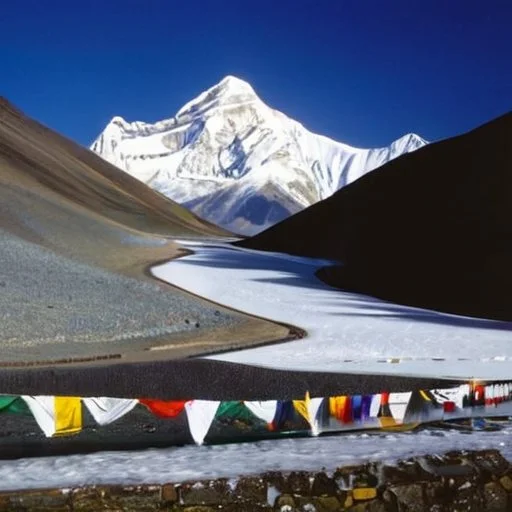
Sagarmatha National Park is not the only protected area in the Himalayas. The Tibet Autonomous Region, China, is home to several protected areas, including the Qomolangma National Nature Reserve, which borders Sagarmatha National Park. While both parks share similar conservation goals, they differ in their approaches to conservation and management.
The Qomolangma National Nature Reserve is larger than Sagarmatha National Park and has a more developed infrastructure. However, it faces similar challenges, including over-tourism and habitat degradation. A comparative analysis of the two parks' conservation efforts highlights the need for increased international cooperation and collaboration to protect the Himalayan ecosystem.
Sagarmatha National Park is situated in a geopolitically sensitive region, bordering China's Tibet Autonomous Region. The park's conservation efforts are influenced by the complex relationships between Nepal, China, and India. The park's management requires careful diplomatic negotiations and cooperation between these nations to ensure the park's conservation goals are achieved.
The park's location also makes it vulnerable to transboundary environmental issues, such as pollution and climate change. The park's conservation efforts require a regional approach, involving cooperation between neighboring countries to address these shared challenges.