


In the early 19th century, communication relied heavily on traditional postal services, which were slow and often unreliable. The need for a faster and more efficient means of communication was palpable. Morse, fascinated by the potential of electricity, began experimenting with the concept of transmitting messages over wires in the 1830s.
Samuel Morse, an artist-turned-inventor, was driven by his passion for innovation and his commitment to improving communication. His pioneering work on the telegraph was fueled by his artistic background, which allowed him to approach problems from a unique perspective.
The telegraph's debut sparked a communication revolution, making it possible to send news and information across vast distances in mere minutes. The telegraph:
The telegraph's influence extended beyond the realm of communication, shaping:
In a letter to his friend, Judge Leonard D. Gale, Morse wrote, "If it is possible to convey thought from one mind to another, it is possible to do it by electricity." This statement reflected his unwavering dedication to his vision, which ultimately led to his triumph.
The telegraph's invention paved the way for subsequent communication breakthroughs, including the telephone and the internet. Morse's pioneering work inspired generations of innovators, cementing his place in the pantheon of communication pioneers.
Samuel Morse received numerous accolades for his work, including:
Before becoming a renowned inventor, Samuel Morse was a talented artist. He studied art at Yale University and later became a pupil of Washington Allston, a prominent American painter. Morse's artistic background had a significant impact on his approach to inventing. His ability to think creatively and visualize complex systems helped him develop the telegraph.
Morse's artistic skills also allowed him to communicate his ideas more effectively. He created detailed diagrams and sketches to illustrate his concepts, making it easier for others to understand his innovative ideas. This unique combination of artistic and inventive skills made Morse a pioneer in his field.

In the early 1830s, Morse began experimenting with the concept of transmitting messages over wires. He spent countless hours in his makeshift laboratory, testing various materials and designs. Morse's persistence and dedication to his craft led to several breakthroughs, including the development of the Morse code.
In 1837, Morse successfully transmitted a message over a short distance, marking a major milestone in his research. This achievement motivated him to continue refining his invention, eventually leading to the development of the telegraph.
The telegraph's invention sparked a chain reaction of technological innovations. The development of the Morse code paved the way for other communication systems, such as the telephone and radio. The telegraph's use of electrical signals also laid the foundation for modern technologies like the internet and Wi-Fi.
The telegraph's impact on the field of electrical engineering was significant. Morse's work inspired a new generation of inventors and engineers, who went on to develop more advanced communication systems. The telegraph's legacy can still be seen in modern communication technologies, making it a pioneering achievement in the history of innovation.
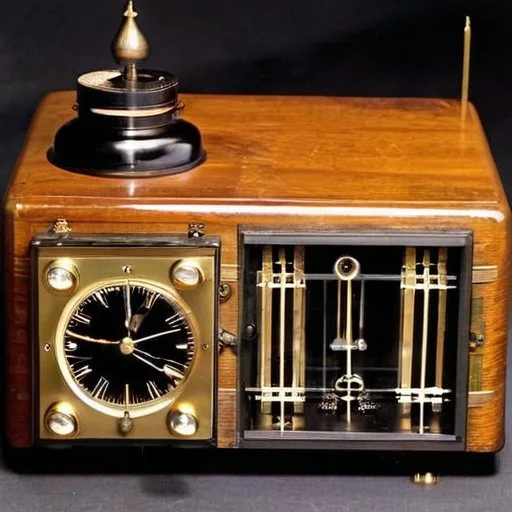
The telegraph's introduction had a profound impact on society, bridging cultural and geographical divides. It enabled people to connect with others across vast distances, fostering global communication and understanding. The telegraph played a crucial role in shaping modern society, facilitating the exchange of ideas and cultures.
The telegraph also had a significant impact on the lives of ordinary people. It allowed families to stay in touch with loved ones who had moved away, and it enabled businesses to communicate with clients and customers across the country. The telegraph's social impact was felt far beyond its technological capabilities, making it a truly revolutionary innovation.
The telegraph's introduction had a significant impact on the economy, facilitating rapid communication between businesses and governments. It enabled companies to respond quickly to changes in the market, and it allowed governments to react promptly to economic crises. The telegraph played a crucial role in shaping the modern economy, facilitating global trade and commerce.
The telegraph's economic impact was felt across various industries, from finance to transportation. It enabled the rapid transmission of financial information, facilitating trade and investment. The telegraph also transformed the transportation industry, enabling the rapid coordination of shipping and logistics.