


In November 1978, San Francisco was left reeling in horror as city mayor George Moscone and openly gay city supervisor Harvey Milk were brutally assassinated by former supervisor Dan White, sending shockwaves throughout the nation. This heinous crime shook the very foundations of the city, sparking outrage, riots, and a wave of grief that would be felt for years to come.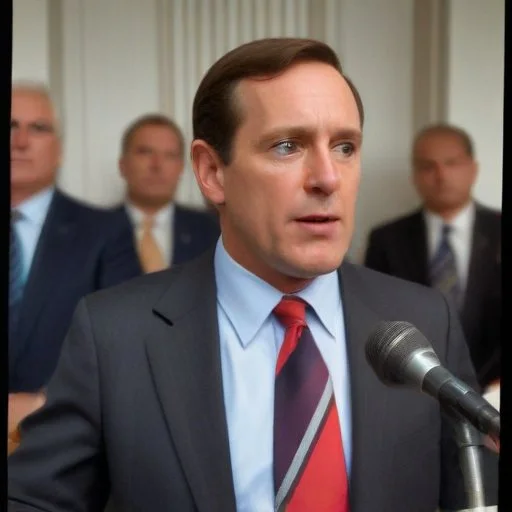
In the aftermath of the assassination, San Francisco was plunged into chaos. Protests and riots erupted, with thousands taking to the streets to demand justice and express their outrage at the senseless murder of two beloved public figures. The city's LGBTQ community, in particular, was devastated, having lost a champion and icon in Harvey Milk.
At the center of this tragedy were three men: George Moscone, the charismatic and progressive mayor of San Francisco; Harvey Milk, the first openly gay man to be elected to public office in California; and Dan White, the disgruntled former supervisor who would stop at nothing to exact revenge.
On November 27, 1978, Dan White snuck into City Hall, evading metal detectors, and made his way to the mayor's office. At 10:45 am, he shot and killed George Moscone, before proceeding to Harvey Milk's office, where he assassinated the openly gay supervisor. The brutal murders sent shockwaves throughout the city, sparking outrage and riots that would last for days.
The assassination of George Moscone and Harvey Milk had far-reaching consequences, both for the city of San Francisco and the LGBTQ community as a whole.
The assassination of George Moscone and Harvey Milk had a profound impact on American culture and society, leading to increased awareness and activism within the LGBTQ community.
In the years since the assassination, George Moscone and Harvey Milk have become symbols of hope and courage, inspiring generations of activists and advocates.
"The only way to make sense out of this senseless act is to find a way to make it meaningful," said Cleve Jones, a close friend and ally of Milk. "We must use this tragedy to push for change, to fight for a world where no one is ever again forced to live in fear."
Today, their legacy continues to inspire, with their stories serving as a powerful reminder of the importance of standing up against discrimination and fighting for social justice.
The assassination of George Moscone and Harvey Milk was not an isolated event, but rather the culmination of a series of tensions and conflicts that had been building in San Francisco's political landscape. In the years leading up to the tragedy, the city was experiencing a period of rapid growth and transformation, with new industries and communities emerging. However, this growth also led to increased competition for resources and space, which often pitted established interests against newcomer groups.
Against this backdrop, Moscone and Milk's progressive policies and advocacy for marginalized communities made them targets for those who felt threatened by these changes. White, with his conservative ideology and sense of entitlement, was particularly antagonistic towards the two leaders, and his resentment towards them eventually boiled over into violence.

Harvey Milk's early life was marked by a sense of restlessness and searching. Born in 1930, he grew up in a middle-class family in New York, but felt stifled by the conventional expectations placed upon him. He joined the Navy, where he was dishonorably discharged for being gay, and later moved to San Francisco, where he found a sense of community and purpose.
Milk's experiences as a gay man in a homophobic society deeply informed his politics and advocacy. He was a natural performer, using his charisma and wit to mobilize and inspire his community. Despite his later fame, Milk remained deeply committed to his grassroots roots, and continued to advocate for the most vulnerable members of his community.
The assassination of Moscone and Milk had significant political implications for San Francisco and beyond. The tragedy marked a turning point in the city's political landscape, as progressive leaders and activists began to organize and mobilize in response.
In the aftermath of the assassinations, Dianne Feinstein, then-president of the Board of Supervisors, assumed the role of mayor, becoming the first female mayor of San Francisco. Her leadership helped to stabilize the city and paved the way for future progressive reforms. Nationally, the tragedy galvanized the LGBTQ community, inspiring a new wave of activism and advocacy that would continue to shape American politics in the decades to come.

The assassination of George Moscone and Harvey Milk had a profound impact on American culture, shaping the way people thought about politics, identity, and community.
The tragedy inspired a new generation of LGBTQ artists and activists, who saw Milk's life and legacy as a beacon of hope and inspiration. The 1984 documentary The Times of Harvey Milk, which won the Academy Award for Best Documentary Feature, helped to cement Milk's status as an icon of the LGBTQ movement. The film's success also helped to raise awareness about the importance of LGBTQ rights and visibility, paving the way for future cultural and social changes.