


In the midst of the Great Depression, nine African American teenagers, later known as the Scottsboro Boys, found themselves entangled in a web of racial tension, false accusations, and wrongful convictions. Their ordeal, which began on a fateful day in March 1931, would go on to expose the deep-seated biases and systemic inequalities that plagued the American justice system.
The Scottsboro Boys, a group of young men ranging in age from 13 to 20, had hopped onto a freight train in Chattanooga, Tennessee, in search of employment and a better life. However, their journey took a drastic turn when they clashed with a group of white youth on the train. The altercation led to their arrest in Scottsboro, Alabama, where they were soon accused of raping two white women, Victoria Price and Ruby Bates.
The subsequent trials, which took place mere weeks after the alleged incident, were riddled with irregularities and violations of due process. The prosecution relied heavily on coerced confessions, questionable eyewitness testimony, and dubious evidence. The all-white jury, seemingly swayed by racial animosity, delivered guilty verdicts, condemning the Scottsboro Boys to death.
The swift and unjust convictions sparked widespread outrage across the nation, with many recognizing the inherent racial biases and miscarriage of justice. The Scottsboro Boys' plight drew attention from prominent figures, such as the American Communist Party, the NAACP, and notable writers like Langston Hughes and Countee Cullen, who decried the gross injustices and called for action.
The Scottsboro Boys' ordeal led to a series of appeals, retrials, and eventual overturning of the convictions, marking a milestone in the fight against racial injustice. The case exposed the deep-seated flaws in the American justice system, prompting calls for reform and sparking a national conversation about racial equality.
The story of the Scottsboro Boys serves as a poignant reminder of the power of activism, the importance of protecting human rights, and the enduring struggle for racial justice in America.
Victoria Price, one of the two white women who accused the Scottsboro Boys of rape, was a 21-year-old prostitute who had a history of making false accusations. Her testimony was inconsistent and contradictory, and many believed she was motivated by a desire for attention and revenge against the African American community.
Price's past was marked by a series of questionable relationships and arrests, raising doubts about her credibility as a witness. Despite this, her testimony was instrumental in securing the convictions of the Scottsboro Boys.

The Scottsboro Boys trials had a significant impact on popular culture, inspiring numerous literary and artistic works. Langston Hughes, Countee Cullen, and other prominent writers of the Harlem Renaissance wrote about the case, highlighting the racial injustices and systemic flaws that led to the convictions.
The case also inspired several songs, including "Scottsboro Boys" by Johnnie Temple and "The Scottsboro Case" by Lead Belly. These works helped to raise awareness about the case and its significance in the struggle for racial equality.
The Scottsboro Boys trials took place during a time of great social and economic change in the United States. The Great Depression had led to widespread poverty and unemployment, which exacerbated existing racial tensions.
The trials also coincided with the rise of the Communist Party in the United States, which saw the case as an opportunity to highlight the flaws in the American justice system and to promote socialist ideals. The international attention the case received further highlighted the need for reform and accountability in the American justice system.
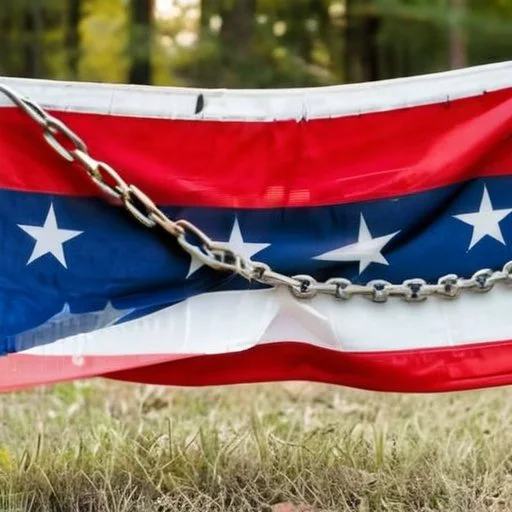
Historians have interpreted the Scottsboro Boys trials in various ways, with some viewing them as a symbol of the Deep South's entrenched racism and others seeing them as a catalyst for the Civil Rights Movement.
Some historians have argued that the trials were a result of the "New South" ideology, which sought to promote a more modern and industrialized South while maintaining traditional racial hierarchies. Others have seen the trials as a key moment in the development of the NAACP's strategy for fighting racial injustice.
The Scottsboro Boys trials had significant ideological implications, exposing the contradictions between American ideals of justice and equality and the harsh realities of racial oppression.
The case highlighted the need for a more radical approach to addressing racial injustice, with many arguing that the capitalist system was inherently flawed and that only a socialist or communist revolution could bring about true equality.
The trials also underscored the importance of solidarity and collective action in the struggle for racial justice, as demonstrated by the international outcry and the efforts of organizations like the NAACP and the International Labor Defense.